The role of automated live cell imaging with the Celloger Pro

Expand horizons in life science research and discover the power of real-time cell monitoring

19 Mar 2024

Lawrence Howes
Editorial Assistant

Product news

Celloger Pro live cell Imager
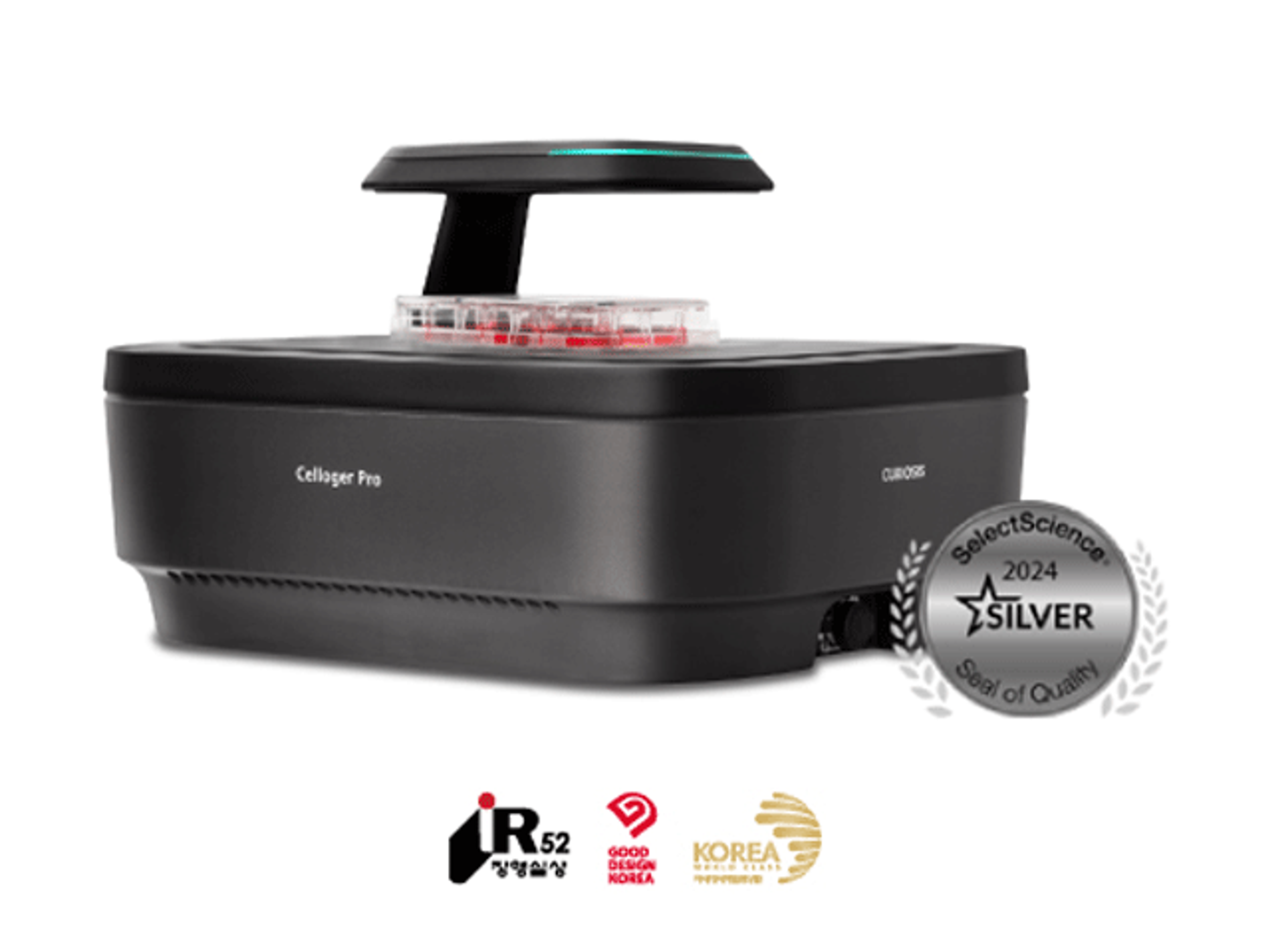
The Celloger® Pro facilitates real-time cell monitoring within an incubator

In the realm of life science research, live cell imaging represents a transformative approach that allows scientists to observe and analyze cellular processes in real-time, within their natural environment. Unlike traditional fixed-cell imaging techniques, which capture snapshots of cellular structures at a single moment in time, live cell imaging offers dynamic insights into the behavior, interactions, and responses of cells over extended periods.

Live cell imaging holds immense significance across various fields of biology, ranging from developmental biology to neuroscience and beyond. By visualizing cellular dynamics as they unfold, researchers can investigate a multitude of phenomena, including cell division, migration, signaling, and responses to external stimuli. This capability not only enhances our understanding of fundamental biological processes but also provides crucial insights into disease mechanisms, drug responses, and therapeutic interventions.

However, the process of live cell imaging can be inherently complex and labor-intensive, requiring meticulous attention to experimental conditions, sample preparation, and imaging parameters. Moreover, the need for continuous observation over extended periods presents logistical challenges, as manual intervention may introduce variability and compromise data integrity.

This is where automation plays a pivotal role in revolutionizing live cell imaging. Automated imaging systems, such as the Celloger® Pro, streamline the experimental workflow by integrating automatic camera, imaging technologies, and data analysis algorithms. It has been designed to simplify live cell imaging with its automated capabilities, reducing manual intervention and ensuring consistent and reliable results.

Live cell images
The Celloger Pro can provide real-time insights into complex biological phenomena

The Celloger Pro promises to streamline real-time cell monitoring within an incubator, minimizing sampling variability and ensuring precise data on the functions and development of live cells. Its dual fluorescence microscopy capability enables high-resolution imaging, allowing for the simultaneous observation of multiple markers. Multi-point time-lapse imaging captures cellular events across different locations, facilitating in-depth feature analysis. With user-interchangeable objective lenses catering to various magnifications, customization is enhanced, and the software is designed with user-friendly tools for data analysis, such as stitching, z-stacking, confluency, intensity graphing, and cell counting functions.

Key applications using the Celloger Pro

  • Spheroid formation: Utilizing the Celloger Pro, researchers can observe and analyze the formation and growth dynamics of multicellular spheroids. The ability to continuously monitor spheroid development facilitates studies on tumor biology, drug penetration, and therapeutic efficacy in a more physiologically relevant context.
  • Cell proliferation assay: With the Celloger Pro, researchers can track changes in cell confluency and morphology over time, enabling precise measurements of cell proliferation dynamics. The system's automated imaging and analysis features streamline the process, providing accurate data on cell growth rates and responses to various stimuli.
  • Wound healing assay: Continuous imaging of wound healing assays allows researchers to understand the cellular and molecular processes driving wound closure and tissue regeneration. This analysis is crucial for assessing collective cell migration under varying experimental conditions, highlighting the Celloger Pro as an indispensable tool in wound healing research.
  • Cytotoxicity assay: Assessing the cytotoxic effects of compounds on living cells is essential in cancer research and drug screening. The Celloger Pro enables the continuous monitoring of cellular viability and morphology, providing insights into the potential adverse effects of chemical agents.
  • Apoptosis assay: The Celloger Pro allows for the visualization of apoptotic events such as cell shrinkage, membrane blebbing, and nuclear condensation. This capability is crucial for studying programmed cell death mechanisms, understanding disease processes, and evaluating the efficacy of anti-cancer drugs.
  • Phagocytosis monitoring: Phagocytosis monitoring in immunology and infectious disease research involves observing how cells engulf foreign particles or pathogens, revealing crucial mechanisms in immune responses. The Celloger Pro facilitates real-time monitoring of phagocytic activity, offering invaluable data for understanding the dynamics of immune responses.

Want the latest science news straight to your inbox? Become a SelectScience member for free today>>

Links

Tags

Cell / Tissue CultureCell culture or tissue culture is used to study the biology of cells or tissues and to isolate cellular products in an environment which can be manipulated and well defined. Accurately control your culture environment with bioreactors or culture incubators, bind your cells to a surface or together with an extracellular matrix. Distinguish cell types with differential media or proliferate cells with certain characteristics using selective media. Enrich your media with supplements such as growth factors, sera and vitamins. Find the best cell and tissue culture products, kits and equipment in our peer-reviewed product directory: compare products, check customer reviews and receive pricing direct from manufacturers.Cell Lines Stem Cells and Primary CellsPrimary cell cultures, established cell lines and stem cells are vital for <i>in vitro</i> and <i>ex vivo</i> experimentation. High-quality cells, optimized for your applications, alongside optimized cell substrates, growth medium and supplements, are critical for experimental success. Explore a range of cells suitable for your applications, including isogenic cell lines, competent cells, induced pluripotent stem cell (iPSC)-derived cell lines, fungal/bacterial/mammalian cell lines, stem cells and cancer cell lines. Find the best cells for your research in our peer-reviewed product directory: compare products, check customer reviews and receive pricing direct from manufacturers.MicrobiologyMicrobiology is the study of microorganisms including protists, prokaryotes, fungi, and, often, viruses. Microorganisms are a useful research tool as genetic vectors and, in immunology, for antibiotic susceptibility testing, cellular biology and genetics. Microorganisms commonly grow readily in incubators with microbial culture media; this can contain chromogenic supplements to differentiate between cell lines. Estimate your culture’s density of microorganisms with colony counters, or screen and select colonies for desirable clones with automated colony pickers. Additionally, equipment is available to monitor environments for the presence of microbes and identify with microbial identification instruments. Find the best microbiology products in our peer-reviewed product directory: compare products, check customer reviews and receive pricing direct from manufacturers.Flow Cytometry / Cell CountingFlow cytometers are used to count, sort and examine multiple characteristics of cells. Other cell analysis equipment includes image cytometers, cell counters, fluorescence-activated cell sorters (FACS), magnetic-activated cell sorters (MACS), and a range of flow cytometry assay kits. Flow cytometers can reveal information on cell viability, cell proliferation, apoptosis and cell cycle progression, as well as identify cell populations and intracellular or cell-surface molecules. Additionally, some flow cytometers, known as FACS, have an additional sorting function after analysis. Cell counters and image cytometers count live and dead cell populations and can also conduct cell proliferation assays. Find the best flow cytometers, cell counters and cell sorters in our peer-reviewed product directory: compare products, check customer reviews and receive pricing direct from manufacturers.Robotic InstrumentsRobotic instruments can be used for high-throughput automation of many lab processes. Such processes use instruments for assays like cell based assays and ELISA, for sample preparation like shakers, centrifuges and incubators, and for analysis such as sequencing and western blot analyzers. Useful features of robotic instruments include speed, reproducibility, barcode readers, software and automation.Software PlatformsSoftware platforms are useful for various stages of laboratory experiments from data collection to data storage and processing. For instance lab software is available for system control, data management, data analysis and qualification / validation.Automation Supplies / AccessoriesAutomated accessories and consumables make lab processes fast, efficient and reliable. Useful automation accessories include microplate sealers, label printers and reagent reservoirs.In Vivo Imaging Systems<i>In vivo</i> imaging systems, including pre-clinical imaging systems and medical imaging systems are used to non-invasively visualize and capture images of live animals and plants. Monitor the natural processes or diseases of your subjects using small-animal pre-clinical imaging systems, including single photon positron emission tomography (SPECT), positron emission tomography (PET), computed tomography (micro-CT), magnetic resonance imaging (MRI), X-ray radiography, ultrasound, fluorescence and bioluminescence imagers. Multimodal systems and software solutions are also available for correlative analysis of organ, tissue, cell, or molecular-level processes. Find the best in vivo imaging products in our peer-reviewed product directory: compare products, check customer reviews and receive pricing direct from manufacturers.Cell ImagingCell imaging can be achieved using a number of techniques including confocal microscopy, transmission electron microscopy, atomic force microscopy, and light sheet microscopy.Fluorescence MicroscopyFluorescence microscopy has become an essential tool in biology, as well as in materials science. The application of many fluorochromes has made it possible to identify cells and sub-microscopic cellular components with a high degree of specificity. Using multiple fluorescence labels, different probes can simultaneously identify several target molecules.Live Cell ImagingLive cell imaging is the study of living cells using microscopes and high-content imaging systems. This technique provides in-depth insight into fast and complex biological processes, by allowing dynamic imaging of living cells instead of acquiring an individual image at a single point in time.Cell IncubationCell incubation involves maintaining controlled environmental conditions for growing and nurturing cells. It is essential for cell culture studies, drug testing, and regenerative medicine. Explore cell incubation solutions in our peer-reviewed product directory; compare products, check reviews, and get pricing directly from manufacturers.
The role of automated live cell imaging with the Celloger Pro