
The Rise of Companion Diagnostic Tests for Personalized Cancer Treatment
A look at some of the available companion diagnostics for breast, lung and colorectal cancer
18 Feb 2016
Editorial article
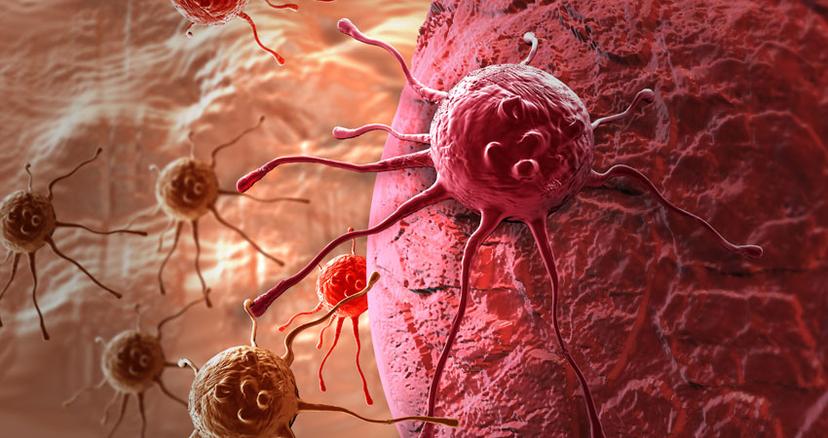
Image of cancer cells
According to the FDA, a ‘companion diagnostic device can be an in vitro diagnostic device or an imaging tool that provides information that is essential for the safe and effective use of a corresponding therapeutic product’1.
The first companion diagnostic test was launched in 1998 to identify breast cancer patients suitable for treatment with Herceptin® (trastuzumab). There was considerable scepticism and concern around these tests, however their success paved the way for an explosion of activity in the field of companion diagnostics.
Regulations and risk
Companion diagnostic tests are typically classified as Class III diagnostic tests, whereas IVD diagnostic tests are usually classified as Class II. This extra layer of complexity and regulation is in place because companion diagnostic tests are designed to predict patient responses to medication and as a result can be high risk.
In 2006 there were 6 companion diagnostic tests available on the market, by 2012 this number had grown to 63 available tests. This number continues to grow and reflects the increasing need for personalized medicine in healthcare. In this article we look at some of the companion diagnostic tests available for breast, lung and colorectal cancer.
Breast Cancer
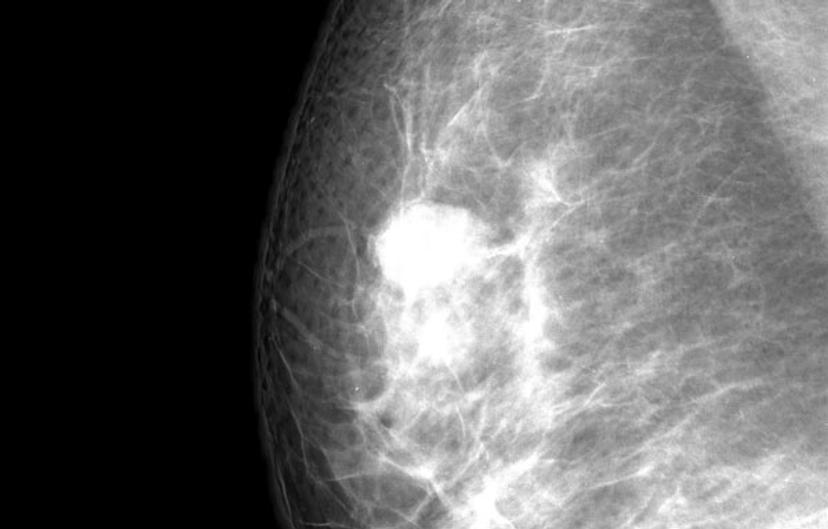
Image of a breast mammogram used to detect breast cancer
Approximately 1 in 4 breast cancer patients are positive for human epidermal growth factor positive (HER2+)2. HER2+ is present on the surface of normal breast cells, however HER2+ patients have very high numbers of these receptors which stimulate the cancer cells to divide and grow. Targeted therapy with Herceptin can be very effective in HER2+ patients. Herceptin attaches itself to the HER2 receptors and blocks them from receiving growth signals thus stopping or slowing the tumor growth. Herceptin therapy cannot be prescribed unless the patient has been tested to check there HER2 level.
There are a number of companion diagnostic tests available on the market to test for HER2 and indicate effective use of Herceptin. These include:
INFORM HER-2/NEU, Ventana Medical Systems Inc. - a fluorescence in situ hybridization (FISH) DNA probe assay that determines the qualitative presence of Her-2/Neu gene amplification on formalin-fixed, paraffin embedded human breast tissue.
PATHVYSION HER-2 DNA Probe Kit, Abbott Molecular - designed to detect amplification of the HER-2/neu gene via fluorescence in situ hybridization (FISH) in formalin-fixed, paraffin-embedded human breast cancer tissue specimens.
SPOT-LIGHT HER2 CISH Kit, Life Technologies - quantitatively determines HER2 gene amplification in formalin-fixed, paraffin-embedded (FFPE) breast carcinoma tissue sections using Chromogenic In Situ Hybridization (CISH) and brightfield microscopy.
Non-Small Cell Lung Cancer (NSCLC)
Epidermal growth factor receptor (EGFR) allows normal cells to grow and divide. Approximately 15% of NSCLC patients have an EGFR mutation leading to too many of these receptors being present and causing uncontrolled growth and division. Tyrosine kinase inhibitors can block EGFR from functioning, thus stopping some tumors from growing. There are a number of companion diagnostic tests available to help predict the effectiveness of use of some TKI’s such as erlotinib and gefitinib.
cobas EGFR Mutation Test, Roche Molecular Systems - a real-time PCR test for the qualitative detection of exon 19 deletions and exon 21 (L858R) substitution mutations of the epidermal growth factor receptor (EGFR) gene in DNA derived from formalin-fixed paraffin-embedded (FFPET) human non-small cell lung cancer (NSCLC) tumor tissue. The test is intended to be used as an aid in selecting patients with NSCLC for whom Tarceva® (erlotinib), an EGFR tyrosine kinase inhibitor (TKI), is indicated.
therascreen EGFR RGQ PCR Kit, QIAGEN - a real-time PCR test for the qualitative detection of exon 19 deletions and exon 21 (L858R) substitution mutations of the epidermal growth factor receptor (EGFR) gene in DNA derived from formalin-fixed paraffin-embedded (FFPE) non-small cell lung cancer (NSCLC) tumor tissue. The test is intended to be used to select patients with NSCLC for whom GILOTRIF (afatinib), an EGFR tyrosine kinase inhibitor (TKI), is indicated.
ALK mutations are found in 3-7% of lung cancer tumors. They are often found in lapsed, light smokers or people who have never smoked. Crizotinib is an ALK inhibitor that can be effective in patients with ALK mutations.
VENTANA ALK (D5F3) CDx Assay, Ventana Medical Systems - qualitative detection of the anaplastic lymphoma kinase (ALK) protein in formalin-fixed, paraffin-embedded (FFPE) non-small cell lung carcinoma (NSCLC) tissue stained with a BenchMark XT automated staining instrument. Identifies patients eligible for treatment with XALKORI® (crizotinib).
Colorectal cancer
Approximately 40% of patients with colorectal cancer have the KRAS mutation3. Patients who have the KRAS mutation do not respond to epidermal growth factor receptor (EGFR) inhibitors such as cetuximab (Erbitux) and panitumumab (Vectibix). Companion diagnostic tests highlight wild-type KRAS patients (patients without the KRAS mutation) who are more likely to benefit from EGFR inhibitors.
The cobas® KRAS Mutation Test, Roche Molecular Systems, Inc. - a real-time PCR test for the detection of KRAS gene mutations in DNA derived from formalin-fixed paraffin-embedded human colorectal cancer tumor tissue. Intended to aid in the treatment with Erbitux® (cetuximab) or with Vectibix® (panitumumab). Specimens are processed using the cobas® DNA Sample Preparation Kit for manual sample preparation and the cobas z 480 analyzer for automated amplification and detection.
therascreen KRAS RGQ PCR Kit - a real-time qualitative PCR assay used on the Rotor-Gene Q MDx instrument for the detection of seven somatic mutations in the human KRAS oncogene, using DNA extracted from formalin-fixed paraffin-embedded (FFPE), colorectal cancer (CRC) tissue. Used to identify patients for treatment with Erbitux (cetuximab) and Vectibix (panitumumab).
The future
Companion diagnostics are an essential component of personalized medicine. In the future, the number of available tests will continue to increase and the application areas will continue to expand beyond oncology.
References:
1. http://www.fda.gov/MedicalDevices/ProductsandMedicalProcedures/InVitroDiagnostics/ucm301431.htm
2. http://www.herceptin.com/breast/herceptin
3. http://www.cancercare.org/publications/93-colorectal_cancer_new_tools_for_making_decisions_about_treatment