
The ‘One Stop Shot’ method: The key to combating drug-related crime?
Kristen Burke from the California Department of Justice explains her department's cutting-edge LC/MS method for optimized analysis of routinely encountered drugs of abuse
2 Nov 2020
Editorial article

With the emergence of new drugs and the increase in poly-drug use, many toxicology testing laboratories across the US have struggled to keep up with the increased pressures on time and resources.
Emerging and existing drugs, such as synthetic cannabinoids and designer benzodiazepines, require increased speed and sensitivity provided by new and improved analytical capabilities. Often-times, public toxicology laboratories suffer from inadequate funding, meaning they cannot afford the technology capable of identifying such analytes. In addition, the high-level of expertise required to address the growing needs of stakeholders places a burden on labs with limited staffing and new, untrained personnel.
The introduction of high-resolution testing equipment, employing LC-MS/MS and LC-QTof-MS techniques, has meant that toxicology laboratories can combine multiple methods into one test. This enables the identification of lower-concentration analytes in various complex matrices. Kristen Burke, Statewide Toxicology Laboratory Director for California’s Department of Justice (DOJ), is one toxicologist taking advantage of these cutting-edge technologies to streamline her drugs of abuse analysis and alleviate pressure on toxicology labs across the State of California.
The 'One Stop Shot’ toxicology method
The ‘One Stop Shot’ method combines the scope of five existing gas chromatography-mass spectrometry (GC-MS) methods into one LC-MS/MS method. This frees up analysts to address other important laboratory duties, including courtroom testimony, and improves the turn-around time for active cases, whilst maintaining accurate and reliable analysis.
The new process is based on existing, validated sample preparation chemistry, requiring a reduced sample size (down from 2 mL to 100 μL) and only two hours for sample preparation. Combined with a runtime of approximately ten minutes, including equilibration time, this can save analysts up to four hours of work.
Sensitive analyte quantitation with Waters
To keep up with ever-changing analytical needs of the toxicology lab, the ‘One Stop Shot’ method utilizes the Xevo® TQ-XS Triple Quadrupole Mass Spectrometer, combined with the ACQUITY UPLC® I-Class PLUS System and UniSpray™ ionization source. The Xevo® TQ-XS is designed for simple and sensitive analysis, with maximum compound coverage for even the most complex matrices, to improve lab efficiency and confidence in your results.
Moreover, the method incorporates 56 analytes to provide expanded confirmation and quantitation of routinely encountered therapeutics and drugs-of-abuse from whole blood samples. “This, along with our cannabinoid method, can test for most of the drugs implicated in impaired driving casework, drug-facilitated sexual assault casework, and various other types of cases potentially involving the use of drugs,” highlights Burke.
The method includes seven calibrators, a limit of detection control, and three quality controls at differing levels on the curve for the drugs quantitated, resulting in increased sensitivity*. The sample preparation consists of 100 μL of sample crashed with 500 μL of chilled acetonitrile, a spin down, dilution (100 μL supernatant combined with 1mL mobile phase A), and injected (10 μL) into the system.
“Our ‘One Stop Shot’ method is a ‘game changer’ for our laboratory,” shares Burke. “Once our analysts are completely trained on this method, our laboratory will be able to make significant headway in existing workloads and further improve and expand our testing capabilities to meet future client needs and address the evolving drug trends.”
The future of forensics
Looking to the future, Burke highlights that it is essential for vendors to understand customer needs. This communication benefits both researchers and industry and enables consistent and innovative advances in the field. This approach allows laboratories, like Burke’s, to continually optimize methods and workflows to stay on the cutting edge of forensic analysis. “Any technology that can help streamline the testing, review, and reporting processes and create more efficient workflows is the future, because time savings equates to money savings,” states Burke.
Beyond these savings in time and resources, Burke also notes the potential of methods like the ‘One Stop Shot’ to raise morale in the current team and continue to attract talented future criminalists to the department. “If our laboratory continues the current trend with innovation and hard work, we’re confident we can keep pace with the best in the field,” Burke shares. “This may help position us to also assist other laboratories as they struggle with the economic downturns like that experienced in the current pandemic.”
Find out more about how to optimize your analytical chemistry workflows with these expert resources:
- Forensic drugs analysis: Near-instant results with ‘machine of the future’ >>
- Tools for chromatographic success: Ensuring data quality in routine analysis >>
- A simple step to upgrade your routine HPLC analysis >>
*The ‘One Stop Shot’ method validation adheres to previously established Scientific Working Group for Forensic Toxicology (SWGTOX) guidelines and Academy Standards Board guidelines, ensuring compliance with requirements such as accuracy, precision, carryover, linearity, interference, and quality. This method includes most drugs (using suggested limits of detection) on the tier one list in the 2017 National Safety Council recommendations.
Related products
Request Quote for All Products
Xevo TQ-XS Triple Quadrupole Mass Spectrometer
WatersExpanding ultimate sensitivity analysis. Maximizing your compound coverage.
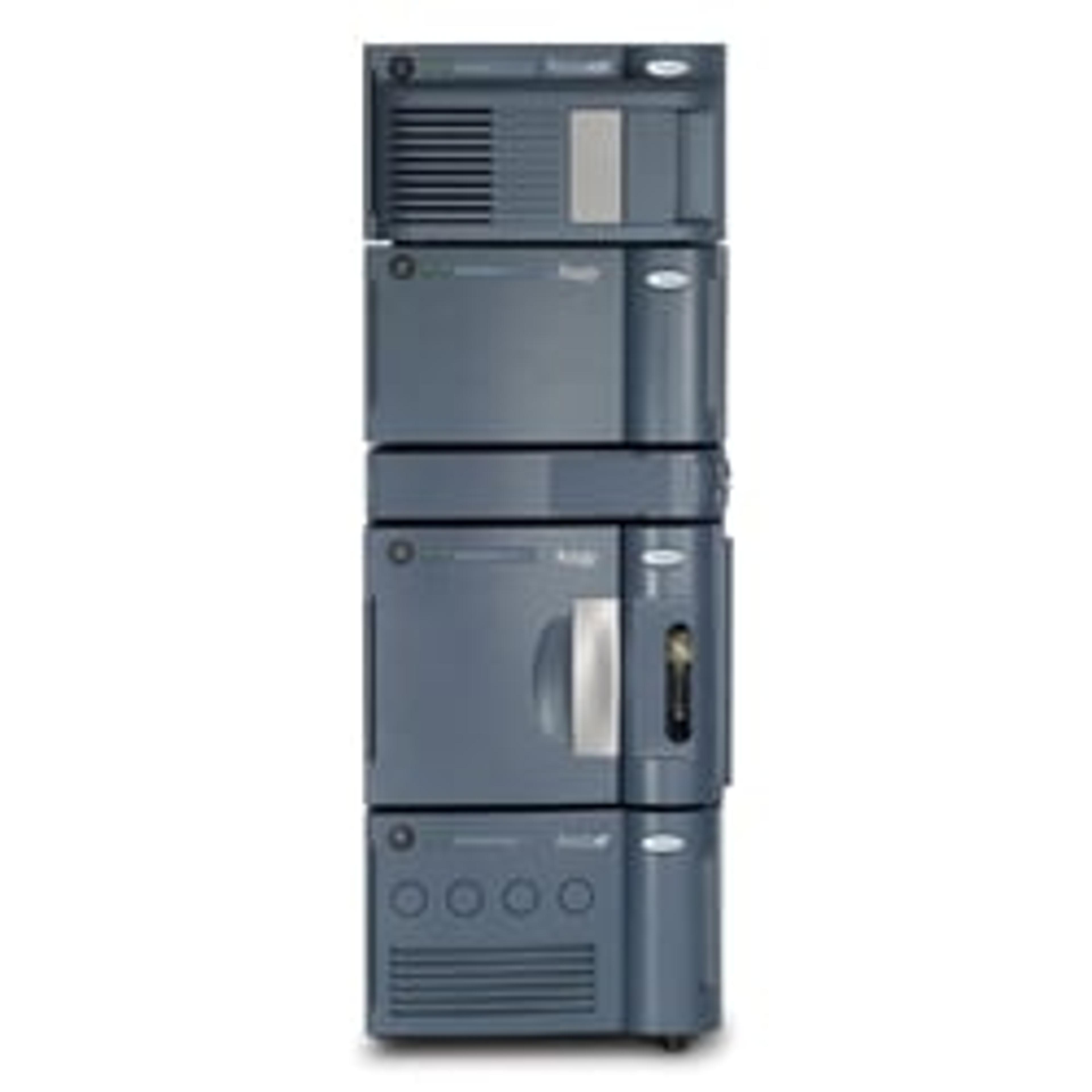
ACQUITY UPLC® I-Class PLUS System
WatersThe most powerful solution to the most critical need in separation science today.