The Native Antigen Company launches range of SARS-CoV-2 specific antibodies

Antibodies available are specific for S1, S2 and receptor-binding domain regions of SARS-CoV-2 Spike protein

13 Oct 2020

Diane Li
Assistant Editor

Product news

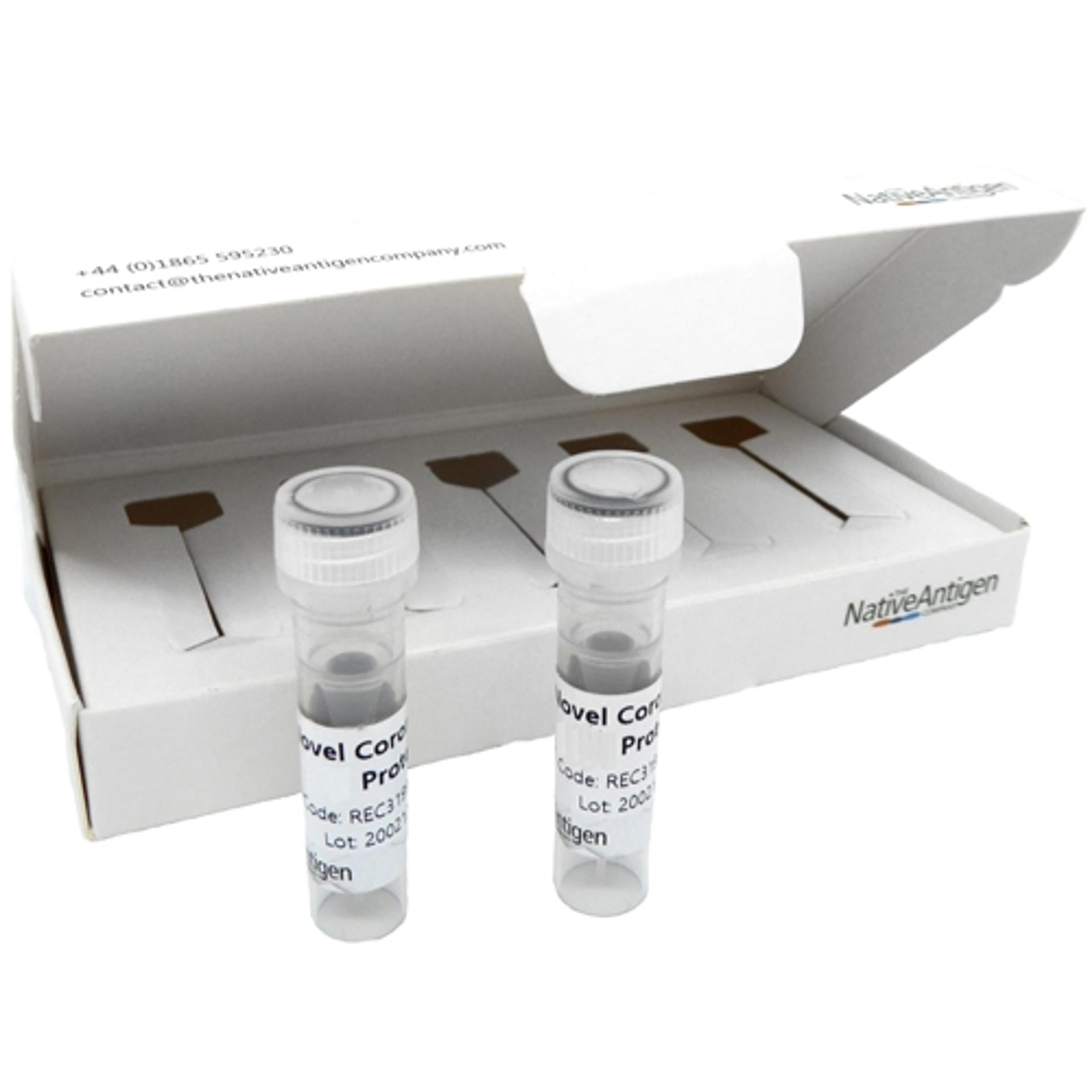
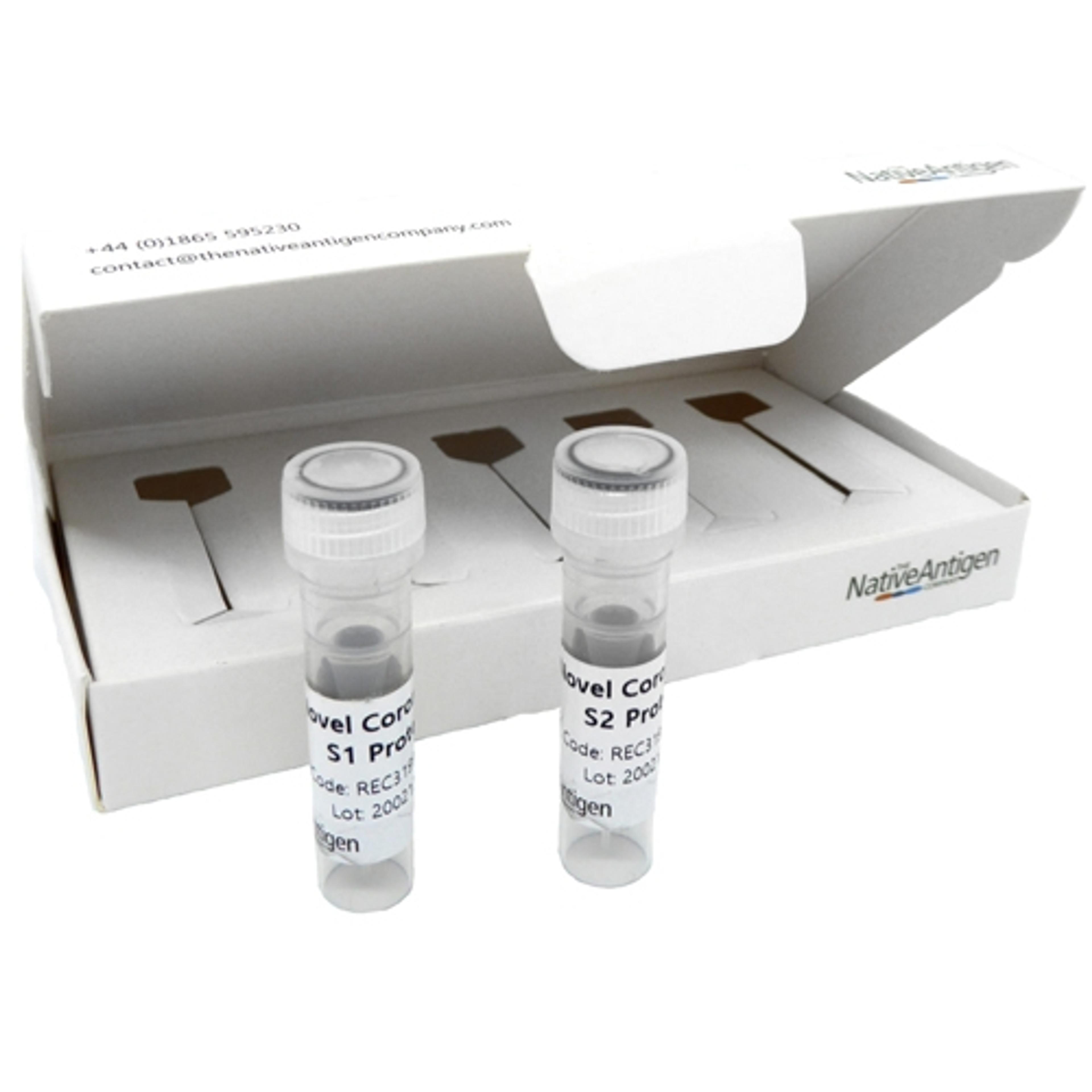
The Native Antigen Company (now part of LGC’s Clinical Diagnostics Division), one of the world’s leading suppliers of reagents that enables research into vaccines and diagnostics for emerging and endemic infectious diseases, has announced the introduction of ten new monoclonal antibodies recognizing SARS-CoV-2, the causative agent of COVID-19. These ten antibodies recognize different epitopes of the SARS-CoV-2 Spike glycoprotein, nine of which are SARS-CoV-2-specific and do not cross-react with other human coronaviruses. The introduction of these new antibodies extends The Native Antigen Company’s existing range and offers researchers a source of high-quality reagents for the research and development of in vitro diagnostics, therapeutics and vaccines for COVID-19.

These SARS-CoV-2 antibodies were raised using the Company’s own S1 and S2 recombinant Spike proteins as immunogens. Produced in the Company’s proprietary mammalian expression system, these antigens exhibit full glycosylation and proper folding to ensure that antibodies raised against them are highly specific. The antibodies have been screened against the Company’s other coronavirus proteins, including SARS, MERS, NL63, OC43, 229E and HKU1 to demonstrate specificity. Three of the antibodies have been shown to be specific for the receptor-binding domain (RBD) of Spike, the region responsible for binding to the cellular ACE2 receptor.

Dr. Andy Lane, Commercial Director, The Native Antigen Company, said: “There is a real need for commercially available antibodies that are specific for SARS-CoV-2, as many reagents that are currently in use were originally raised against SARS-CoV and only cross-react with SARS-CoV-2. The Native Antigen Company was one of the first recognized suppliers to release SARS-CoV-2 antigens in February of this year, and we have since continued to expand our offering. These ten new antibodies represent a significant advancement in the availability of defined reagents for CoV-2 studies, including immunoassay development for antigen detection.”

Do you use The Native Antigen Company reagents in your lab? Write a review today for your chance to win a $400 Amazon Gift Card>>

Links

Tags

AntibodiesAntibodies are used in techniques such as confocal and fluorescence microscopy, flow cytometry, ELISA, ELISPOT, immunohistochemistry, western blotting and immunopreciptation. Select specific antigen reactivity, high specific affinity, low non-specific binding, monoclonal or polyclonal, primary or secondary antibodies and associated conjugates such as an enzyme or dye for visualization.Data AnalysisData analysis hardware and software is available to make data processing straight-forward yet powerful. Data software can be used for math and stats, technical graphing and image analysis. In addition, software is available for specific data analysis of electrophoresis, densitometry, ELISA and DNA sequencing.ImmunologyImmunological techniques measure and characterize immune responses. Immunology kits and analysis systems often use techniques such as ELISA, radioimmunoassay (RIA) and immunodiffusion assays, Immunohistochemistry, and flow cytometry. Immunologists use equipment such as flow Cytometers, plate readers, plate washers and fluorescent microscopes.Cellular PathologyCellular Pathology deals with the microscopic analysis of tissue samples and cells. Sample preparation and processing includes fixation, staining, sectioning and slide mounting, using equipment such microtomes and cryostats. In choosing immunohistochemistry and immunocytochemistry kits, consider chromogens, staining method, antibodies, microscopes and imaging.Biopharmaceutical AdvancesBiopharmaceutical advances follow the development of pharmaceuticals derived from biotechnology, also known as biotechnology medicines. Biopharmaceuticals may be produced from cell lines, plants, or microbial cells. Important considerations of biopharmaceutical use include application, cost, production process and purification.Clinical ChemistryBiochemistry (or clinical chemistry) involves the analysis of bodily fluids using chemical tests. Techniques used include HPLC, chromatography, spectroscopy, mass spectrometry, immunochemical, electrophoresis, turbidometric / spectrophotometric assay, MRI and ISE analysis. Tests are often carried out on plasma or serum but urine (urinalysis) and fecal specimens are also processed.Clinical GeneticsMolecular Genetics covers the analysis of hereditary genetic disease and chromosomal abnormalities. Genetics can be analysed using DNA, RNA, and protein microarrays, PCR, RT PCR and DNA sequencing. Genetic equipment includes genetic workstations, thermal cyclers, cooling blocks and electrophoresis products. Diagnostic kits are used for DNA / RNA extraction and purification.Clinical MicrobiologyMicrobiology is the study of microorganisms including protists, prokaryotes, fungi, and, often, viruses. Microorganisms are a useful research tool as genetic vectors and, in immunology, for antibiotic susceptibility testing, cellular biology and genetics. Microorganisms commonly grow readily in incubators with microbial culture media; this can contain chromogenic supplements to differentiate between cell lines. Estimate your culture’s density of microorganisms with colony counters, or screen and select colonies for desirable clones with automated colony pickers. Additionally, equipment is available to monitor environments for the presence of microbes and identify with microbial identification instruments. Find the best microbiology products in our peer-reviewed product directory: compare products, check customer reviews and receive pricing direct from manufacturers.Drug DeliveryDrug Delivery refers to dosage form, route of administration, formulations, technologies, and systems for transporting a pharmaceutical compound in the body as needed to safely achieve its desired therapeutic effect. Drug delivery is often approached via the biopharmaceutical or small molecule drug's formulation, but it may also involve medical devices or drug-device combination products. Considerations include instrumentation, software and services. ImmunoassayImmunoassays are laboratory tests that utilize antibody-antigen interactions to detect specific substances. They are widely used in diagnostics for detecting diseases, drug testing, and environmental monitoring. These assays offer rapid, sensitive, and precise detection of biomarkers, making them invaluable in clinical and research labs. Browse our peer-reviewed product directory to compare immunoassay systems, read user reviews, and get pricing directly from manufacturers.Monoclonal AntibodiesMonoclonal antibodies (mAbs) are lab-made molecules that can bind to specific antigens on cells, making them highly effective in treating cancers, autoimmune diseases, and infections. These targeted therapies are transforming the treatment landscape for many conditions. Browse our peer-reviewed product directory to find monoclonal antibodies for research and clinical applications; compare products, check reviews, and get pricing directly from manufacturers.Therapeutic AntibodiesTherapeutic antibodies are antibodies engineered for use in treating diseases. They can be designed to target specific antigens, blocking harmful interactions or modulating immune responses. Therapeutic antibodies are critical in treating conditions like cancer, autoimmune disorders, and infectious diseases. Explore the best therapeutic antibody products in our peer-reviewed product directory; compare options, check reviews, and get pricing directly from manufacturers.Protein StructureProtein structure refers to the three-dimensional arrangement of amino acids in proteins, determining their function. Understanding protein structure is key in drug discovery, enzymology, and molecular biology. Explore protein structure analysis tools in our peer-reviewed product directory; compare products, check reviews, and get pricing directly from manufacturers.Infectious DiseaseInfectious disease diagnostics refers to the isolation and identification of causative agents, such as viruses, bacteria or fungi. Diagnostic tests include bacterial culture, microscopy, chemistry assays, molecular diagnostics and MALDI-TOF. Tests can be carried out in the laboratory or at the point-of-care.CoronavirusCoronaviruses are a large family of viruses that can cause illnesses ranging from the common cold to more severe diseases like COVID-19. Research into the biology, transmission, and treatment of coronaviruses has become a global priority, particularly since the emergence of SARS-CoV-2. Understanding the virus�s structure and behavior is essential for developing vaccines, diagnostics, and antiviral treatments. Explore our peer-reviewed product directory to discover the latest research tools, diagnostic tests, vaccines, and treatments for coronavirus, compare products, read reviews, and receive pricing directly from manufacturers.