
The medieval pandemic that never really went away
14 Jan 2025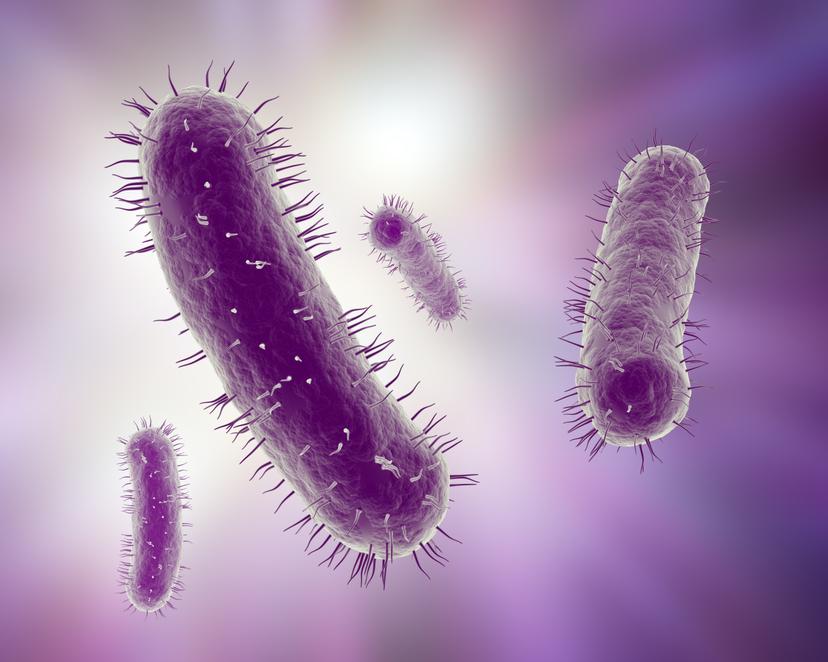
News this week from scientists who played a pivotal role in developing the Oxford-AstraZeneca COVID-19 vaccine reports they have turned their attention to an equally formidable challenge: creating the UK’s first vaccine for the bubonic plague. This initiative has been prompted by renewed fears of potential outbreaks of the ancient but persistent disease and the dwindling power of our antibiotic arsenal to protect us from it.
The plague, caused by the bacterium Yersinia pestis, has historically caused catastrophic pandemics, including the Black Death of the 14th century, which is estimated to have killed half the population of Europe. Recent outbreaks in Madagascar, India and the USA signal its continued presence.
One critical aspect of plague research involves the study of Yersinia pestis in environmental samples, and a key tool in this endeavour has been the Stomacher® from Seward Limited, which has played arole in the preparation of samples for analysis in the latest vaccine developments. By homogenising specimens such as tissue or soil in a sterile, sealed environment, the Stomacher® ensures the uniform release of bacterial cells, which can then be cultivated for vaccine development or epidemiological monitoring without the risk of aerosol production.
Stomacher® enables scientists to identify environmental reservoirs of Yersinia pestis, which play a crucial role in the bacterium’s persistence, as well as its potential to re-emerge under favourable conditions. It is also referenced in the preparation of rodent tissues allowing researchers to isolate Yersinia pestis from organs such as the spleen or lymph nodes aiding in the identification of high-risk vectors. Such insights are invaluable for predicting and preventing outbreaks, particularly in regions where the disease remains endemic.
The Department of Microbiology, Immunology, and Pathology at Colorado State University utilised Stomacher® for isolating Yersinia pestis from the organs of test organisms working on the development of an oral immunization with a non-replicating vaccine. Colorado confirmed a case of bubonic plague in the state in the summer of 2024 highlighting its renewed relevance in the region.
The development of a vaccine requires not only an understanding of the bacterium but also robust methods for monitoring its behaviour in real-world conditions. The use of advanced laboratory techniques, supported by meticulously prepared samples, allows researchers to refine antigen selection and delivery methods for vaccines. These efforts are crucial for addressing the 30% fatality rate of untreated plague cases and mitigating the threat of future pandemics.
The Oxford team’s approach is to leverage modern vaccine technologies, possibly using viral vector platforms like those employed in the AstraZeneca COVID-19 vaccine. This technology could deliver antigens such as the F1 capsular protein and the LcrV antigen, both of which have shown promise in eliciting protective immune responses.
The creation of a bubonic plague vaccine represents a significant step forward in global health security and ads a new weapon against future outbreaks. Beyond its potential to save lives, it also addresses the broader challenges of managing re-emerging infectious diseases in a world increasingly interconnected by trade and travel.
Related products
Request Quote for All Products
Seward Stomacher® 400 EVO lab blender
Seward LtdThe Seward Stomacher® EVO lab blender combines the gold standard attributes of the original Stomacher® 400 with improved, easy to use features. Maximum performance in sample preparation combined with reduced laboratory consumable and waste disposal costs when used with our Seward Stomacher® Eco bags.

Seward Stomacher® 400 Circulator lab blender
Seward LtdThe Seward Stomacher® 400 Circulator is the gold standard in laboratory blenders. Used daily in food safety testing, producing accurate, repeatable results, the Stomacher® 400 Circulator has been at the forefront of food testing protocols for 50 years. Recognised as the ‘work horse’ of the lab, it is the most commonly used model in food microbiology and has continued to establish a reputation in the fields of life sciences and healthcare.