Take control over your chromatographic separations: It’s your loss
Discover how to minimize the loss of metal-sensitive analytes and achieve fast analysis and high recovery of oligonucleotides
7 Jan 2021
Editorial article

Analyte loss due to non-specific adsorption is a well-known problem among separations scientists that has long plagued chromatography analyses. Often a result of unwanted interactions with the interior wall of steel analytical columns, the loss of analyte can not only reduce the accuracy and reproducibility of results, lower throughput, and decrease productivity, but also increase the limits of detection of low-level analytes, with significant implications for disease research and drug development.
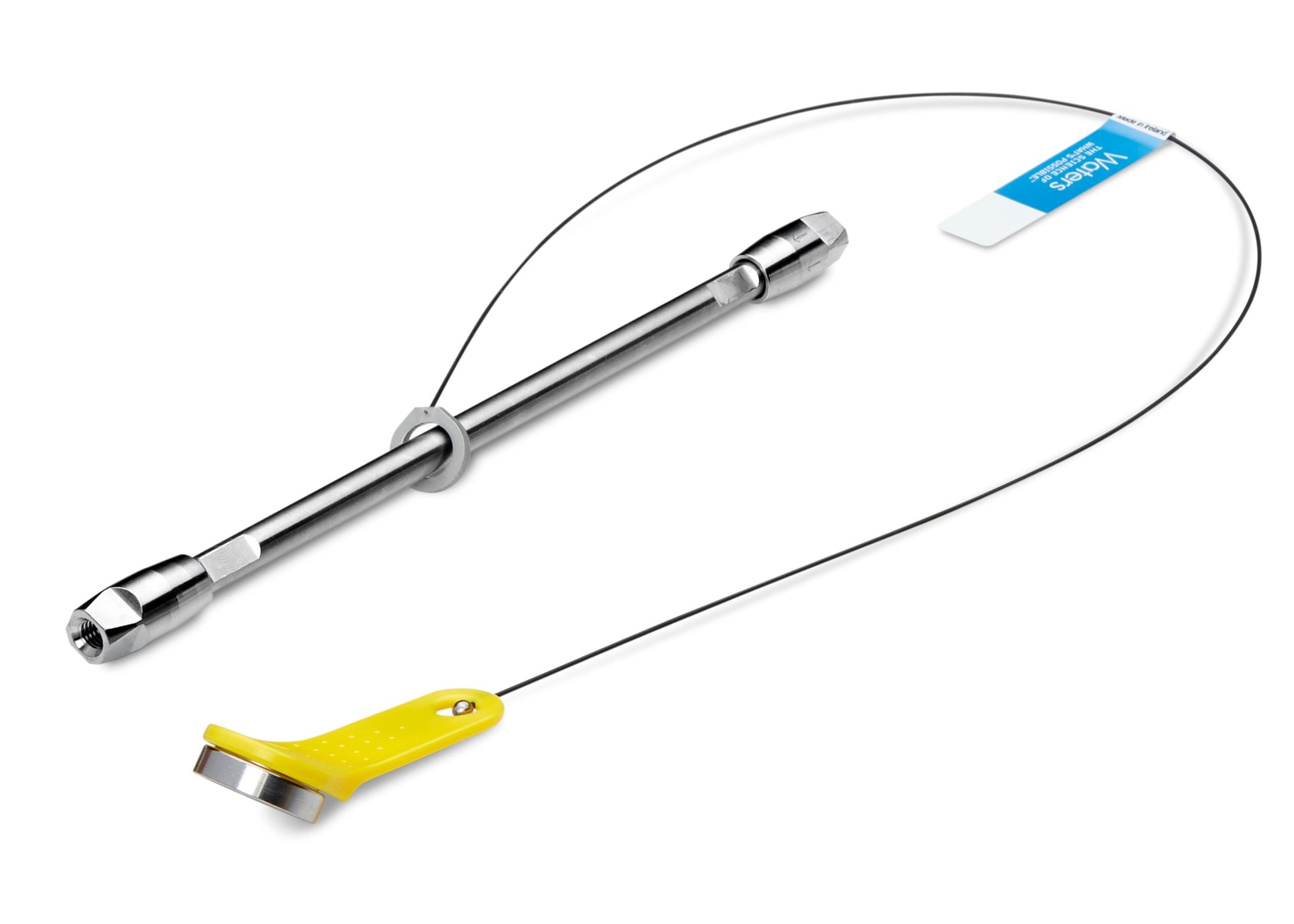
To overcome this problem, Waters launched its new ACQUITY PREMIER Columns, designed to prevent the loss of metal-sensitive analytes due to analyte-to-surface interactions. In this article, we explore how these novel columns can be used to improve oligonucleotide analysis by enhancing analyte recovery and minimizing non-specific adsorption, as well as increase throughput, sensitivity, and reproducibility of LC separations, without the need for lengthy column conditioning.
Rising to the challenge of oligonucleotide analysis
In recent years, the development of next-generation oligonucleotide therapies with high target specificity and stability has greatly increased, yet the precise and productive analytical testing of these molecules has remained a significant challenge. Extraction of these oligonucleotides can be difficult due to their small size, polyanionic nature, and known issues with protein and non-specific binding, while limited ionization/fragmentation, poor RP chromatographic retention, and susceptibility to metal interactions can negatively impact the selectivity, sensitivity, and reproducibility achieved during their analysis by LC-MS.

To help address these issues, Waters has devised an analytical method for the extraction and quantification of various oligonucleotides that leverages SPE, RP-UPLC with the sub-2-μm ACQUITY PREMIER Oligonucleotide C18 Column and tandem-quadrupole MS. The developed method combines LLE-SPE sample extraction, using Oasis WAX SPE in the µElution plate format, with UPLCMS/MS analysis using the ACQUITY UPLC I-Class PLUS System and Xevo TQ-XS Tandem Quadrupole Mass Spectrometer.
In a study that aimed to detect and quantify oligodeoxythymidines and the fully phosphorothioated oligonucleotide antisense therapy, GEM91, this SPE-LC-MS method demonstrated high recovery, selectivity, and sensitivity. During sample preparation, an extraction method consisting of lysis/neutralization pretreatment, LLE, and Oasis WAX SPE was used to ensure the effective disruption of plasma protein binding, improving recovery and selectivity. UPLCMS/MS analysis was then carried out using the novel ACQUITY PREMIER Oligonucleotide C18 Column. This column is packed with 1.7 µm hybrid-silica particles that are well suited for separations performed at neutral to moderately basic pH and high temperatures, which are required for retention and adequate resolution of oligonucleotides. Use of the ACQUITY PREMIER Column significantly increased oligonucleotide analyte recovery by minimizing ionic analyte/surface interaction, resulting in improved LOD and LLOQs for the oligo-dT and antisense oligonucleotides that were studied. Collectively, this simple sample preparation and UPLC-MS/MS analytical method was found to provide highly successful extraction and quantification of oligonucleotides from neat solution and extracted plasma.
In addition to the favorable results of this study, Willy Verluyten and Irene Suarez, from Janssen Pharmaceutica NV, Belgium, evaluated the columns for their own method development work.
“The Waters ACQUITY PREMIER Peptide BEH C18 300Å Column shows an excellent degree of specificity and selectivity in denaturing and non-denaturing analysis of synthetic oligonucleotides, due to the absence of non-specific binding properties of this new column hardware in combination with great stationary phase performance,” says Verluyten. “The Waters ACQUITY PREMIER Column is a highly valuable addition to our column test package for the future development of synthetic oligonucleotides analytical methods.”
Solving a sticky situation
The adsorption of sample analytes to the interior wall of steel analytical columns can negatively impact separation performance, reproducibility, and sensitivity. As a workaround, column conditioning can be used to block sites of non-specific adsorption. However, repeated conditioning is required to minimize adsorptive analyte losses and maintain consistent levels of performance, resulting in the extensive use of expensive materials, increased time to result, and reduced productivity. As a complete solution, Waters’ AQUITY PREMIER columns are constructed with MaxPeak High Performance Surface technology that forms a barrier layer between the sample and the stainless-steel column. This prevents the loss of sample analytes due to analyte-to-surface interactions and can greatly improve the LC analysis of metal-sensitive analytes, providing:
- Increased sensitivity for low-level, metal-binding samples
- Improved accuracy and reproducibility of results
- Quicker time to results by eliminating the need for time-intensive column conditioning
- Greater throughput and higher productivity
Learn more about the launch of the ACQUITY PREMIER Columns here >>
For best practices for achieving sensitive oligonucleotide analyses, download this application note >>
Do you use Waters products in your lab? Write a review today for your chance to win a $400 Amazon Gift Card>>