
Streamlining compound management with a fully automated workstation
How a biopharmaceutical company successfully brought its compound management in-house with the help of automation
15 May 2023
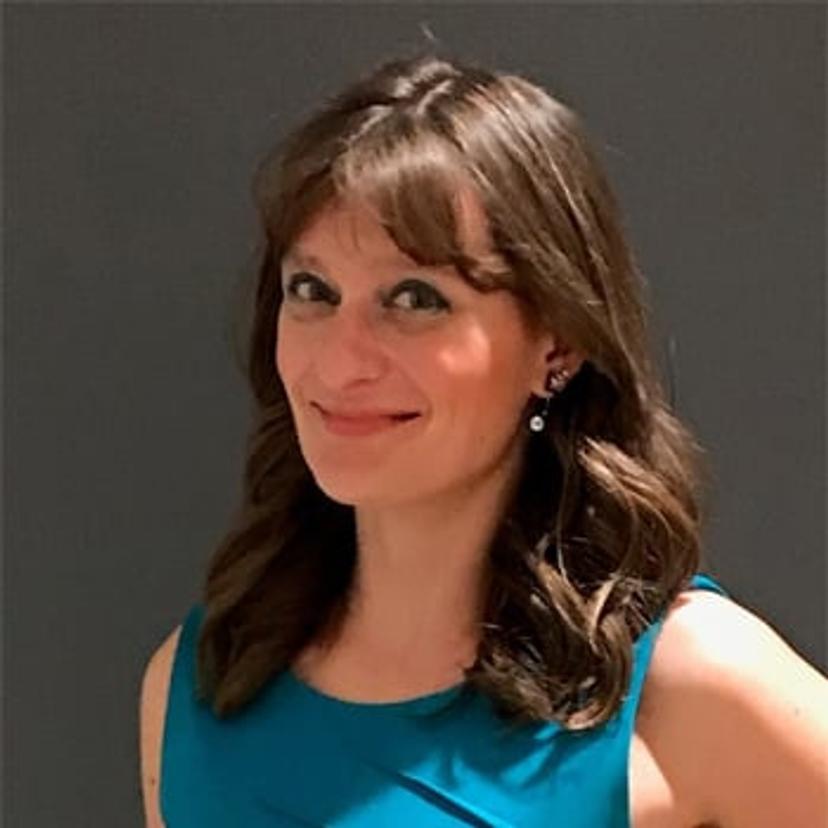
Efficient compound management is a central component of the drug discovery workflow involving the collection, storage, and processing of the thousands of compounds that are involved in the development of new therapeutics. Recognizing the importance of compound management, drug developers are now embracing advanced automation solutions to meet the demands of today’s research.
Arrakis Therapeutics is a biopharmaceutical company focused on the discovery of novel small-molecule compounds that can act directly on RNA. By targeting RNA, the company hopes to reach hundreds of biological targets not currently accessible to medicine. As part of this mission, thousands of compounds are made and tested each year, requiring highly efficient compound management to ensure the successful delivery of projects.
In 2020, Anna Mathias, Senior Associate Scientist, Function Head for Compound Management at Arrakis Therapeutics, was tasked with bringing some of the routine compound management services at Arrakis in-house. These services include the creation of 10mM DMSO stock solutions in 2D-barcoded storage tubes, aliquoting into 96 or 384-well plates upon request, and creating assay-ready plates for key primary assays. In this article, Mathias describes how implementing automation into Arrakis’ compound management has enabled the team to successfully bring these services in-house and manage a large workload with ease.
Automation-driven compound management
The compound management team at Arrakis is responsible for the registration, storage, and distribution of all compounds that are produced and analyzed. “We’re supporting all the scientists, so that every compound that needs to be tested and submitted to an assay can be formatted correctly, and also stored and kept in a searchable inventory,” explains Mathias.
Given the vast number of compounds submitted and the quick turnaround times required, compound management has become automation driven. “Automation allows Arrakis medicinal chemists to submit novel synthesized compounds in solid form to our compound management lab, and then count on having them available for ordering the next day as 10mM solutions in DMSO, ready to request for plating as needed for distribution to any internal scientist or external collaborator,” says Mathias.
To help manage the large library of compounds Arrakis has invested in a fully automated workstation to help streamline daily processes. “We use the Fluent® Laboratory Automation Workstation from Tecan, instead of a hand pipette, to transfer liquid from our storage tubes into our plates or labware that is needed by the final scientist,” says Mathias.
Benefits of an automated workflow
We can confidently tell our scientists that the plates our compound management lab provides have accurate and precise volumes because we use our 8-channel Fluent to deliver them.
Anna Mathias
Arrakis Therapeutics
Mathias describes precision as a key benefit of using an automated liquid handler for compound management. “We can confidently tell our scientists that the plates our compound management lab provides have accurate and precise volumes because we use our 8-channel Fluent to deliver them,” explains Mathias. “Manual pipetting runs the risk of user error with pipetting techniques often differing between users, setting up a robot to do the pipetting guarantees precision every day for every user.”
Automation can help streamline laboratory processes, freeing up scientists’ time and resources. “Our 8-channel Fluent also allows us to walk away and frees us up to do other things, instead of spending the whole day hand-pipetting at the lab bench,” explains Mathias. “The Fluent will add the precise volume of DMSO required to solubilize up to 384 different compounds to 10mM in a single run in a few minutes. We can also walk away while the Fluent creates up to four 8-point serial dilution plates in less than 30 minutes.”
As well as streamlining processes and providing precision, Mathias also highlights how automation has improved the traceability of the work performed in the compound management laboratory. “Automation allows us to track the container barcode of each sample we prepare. Every plate delivered to a scientist has a 1D barcode that can be traced back to the parent 2D storage tube it came from,” says Mathias. “Our Fluent is integrated with our Mosaic Sample Management Software using Titian’s Variable Span Liquid Handling Module (VSLH). This allows the required source tube rack to be scanned onto a specific position of the Fluent deck using a simple hand-held 1D barcode scanner, and an empty destination plate can then be scanned onto another position of the Fluent deck. At the end of a run, the Fluent report files directly tell the VSLH application of the Mosaic Sample Management Software if the samples were successfully transferred, and a plate map is emailed to the scientist when the plate is ready for pick-up.”
Introducing automation into your workflow

Implementing automation into your workflow can be daunting, Mathias offers the following advice to scientists looking to embrace automation as part of their workflows for the first time. “My advice is not to be afraid of using automation. I tell new operators of the Fluent at Arrakis to think of our instrument as a giant 8-channel pipette that you control with a computer!” says Mathias. “A nice place to start is in a lab with someone who has experience in creating automation protocols. All you then need them to do is to show you how to load the decks on the Fluent, press ‘Go’, and walk away. From there, you can start to learn how to write your own protocols to do some basic liquid transfers.”
Mathias describes how close collaboration with Tecan helped with the initial onboarding of the Fluent workstation at Arrakis. “We worked alongside one of Tecan’s application scientists who wrote some initial protocols for us to get us started,” explains Mathias. “One of the decisions we had to make was regarding pipette tips and whether we wanted filtered or non-filtered tips and the level of sterility we required. The Tecan application scientist was such a valuable resource for us in helping to make the decision, and was able to provide us with technical documentation describing all of the different tip options and point us to the right places where we could browse through tip options ourselves.”
Looking ahead
The introduction of automation has enabled the compound management team at Arrakis to support the day-to-day needs of its researchers amongst growing numbers of submitted compounds. As the company continues to expand its research, the compound management lab at Arrakis is taking preemptive steps to prepare for increasing throughputs. “We’re working with an external consultant to look at how we can optimize our workflows further and visualize a roadmap for the future when our throughput increases,” says Mathias. “The next step for our work is considering how we can even further integrate our systems, for example by introducing a robotic arm that can hand plates directly to the Fluent workstation so that we can continue to support all our scientists with the discovery of novel RNA therapies.”
Related products
Request Quote for All Products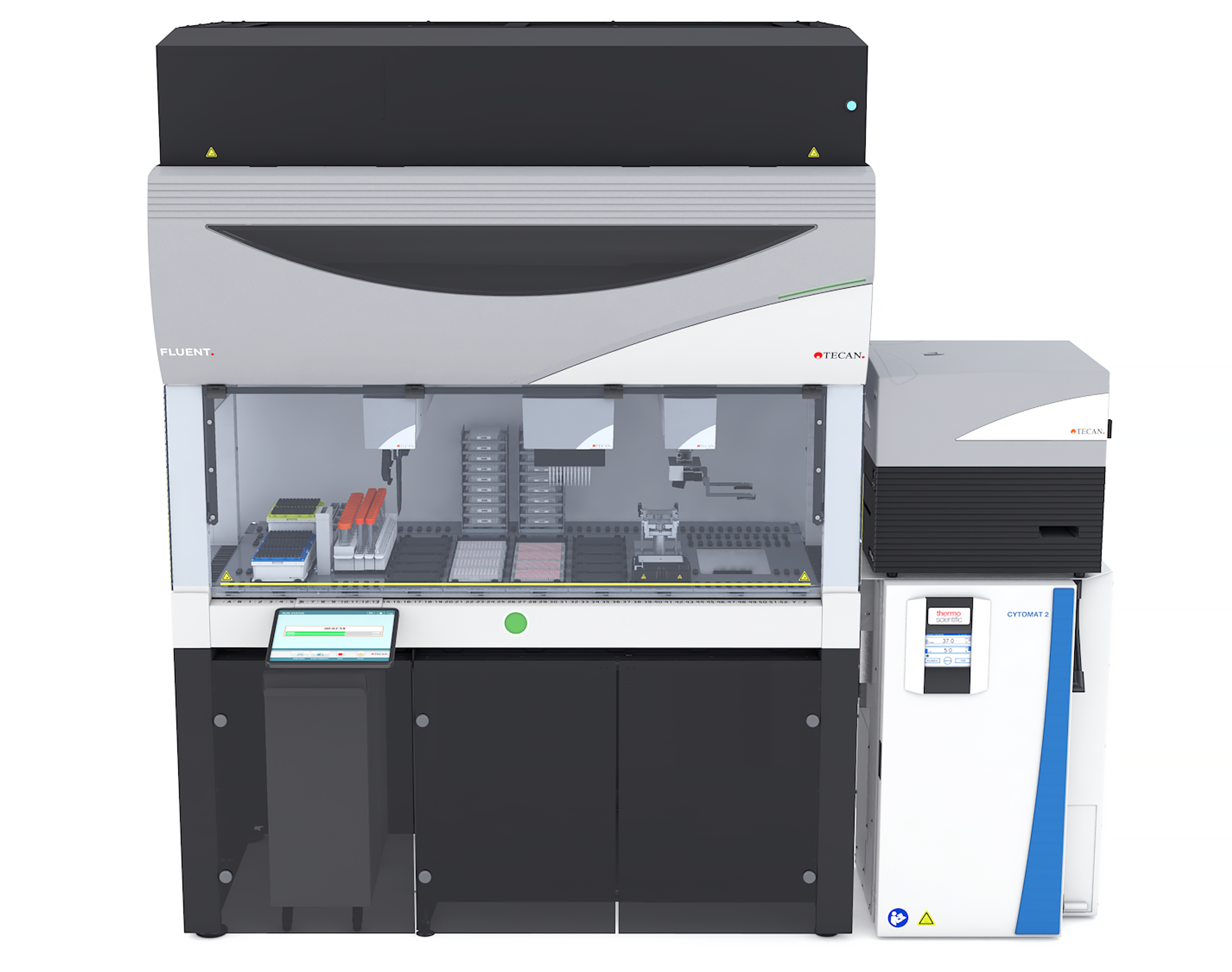
Fluent® Laboratory Automation Workstation
TecanTecan has reinvented automation with the Fluent Laboratory Automation Workstation, a unique instrumentation concept built around the application-specific needs of your laboratory. Fluent breaks new ground, delivering more capacity and increased speed. It provides superior precision, throughput and walkaway time, making it easier to get more done, more confidently.