
Stevens AI expert to lead major project for NIH-funded Precision Nutrition and Health Hub
Samantha Kleinberg tapped to analyze data from diverse populations to find causal relationships between diets and specific health outcomes
21 Jan 2022
Industry news
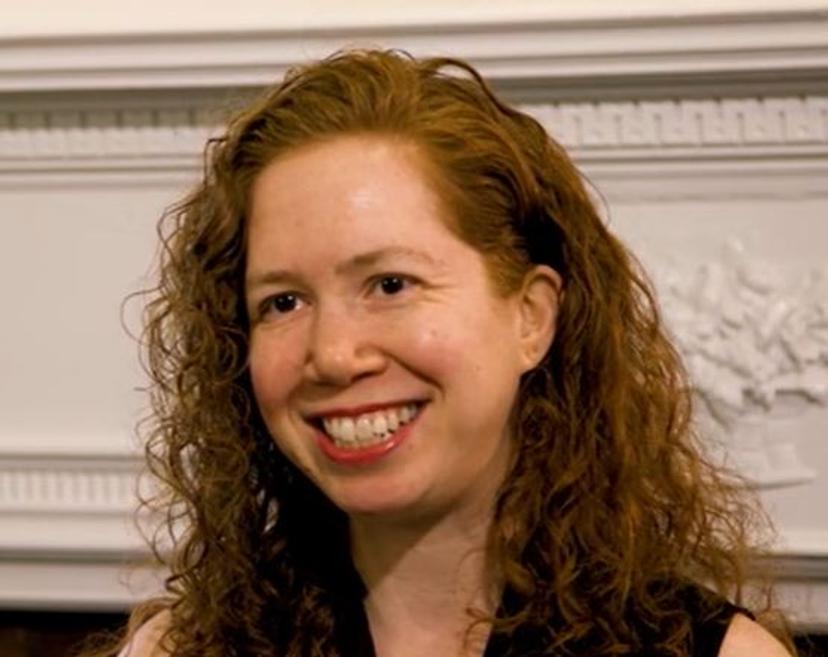
A significant barrier to personalized nutrition is that when we learn the effects of a diet, we do not know to whom these results apply. Using artificial intelligence and machine learning, Stevens Institute of Technology AI expert Samantha Kleinberg will try to better understand the relationship between nutrition and an individual’s biological, cultural, and economic profiles.
Precision nutrition is an emerging area aimed at better tailoring diets to different people’s characteristics and circumstances to achieve better health outcomes. There is no “one-size-fits-all” approach when it comes to proper nutrition. Diet affects individuals in different ways. If one person eats a cookie, their blood glucose may spike. If another person eats that same cookie, their blood glucose may stay flat.
Kleinberg’s project will look at characteristics such as genetics, microbiome, blood profile, culture, geographical location, and socioeconomic status, among other variables, separately and in combination, to find out why everyone doesn’t react the same way to the same food choices. These causal relationships that Kleinberg will analyze may not only help tailor diets to specific individuals based on their profile but may also help individuals stick to certain diets long term, prevent chronic disease, and improve overall health in different populations.
“Nutrition is fundamental to preventing chronic diseases like diabetes and obesity and to maintaining health,” Kleinberg said. “Yet changing guidance, such as on how egg consumption influences cholesterol and if salt intake leads to hypertension, makes it difficult for individuals to know how to act and for governments to create policies that can improve population health.”
The National Institutes of Health is awarding $170 million over five years, pending the availability of funds to 14 clinics and centers across the country through the NIH Common Fund’s Nutrition for Precision Health, powered by the All of Us Research Program. CUNY School of Public Health and Health Policy (CUNY SPH) and West Point will lead the initiative and run the center. Kleinberg’s project, the Causal Relationships Disentangler, will receive a portion of that grant to spearhead one of the major projects within the world’s first AI and computational modeling center for precision nutrition and health. This hub will be the first of its kind to operate on an unprecedented scale.
“This award grants us the opportunity to finally go beyond correlations to learn not just what factors are related to health outcomes but how diet causes them and for whom," Kleinberg said.
Kleinberg will analyze data from a diverse group of 10,000 participants that represent different backgrounds, nationalities, and socioeconomic statuses from all over the United States. While there have been several studies that have looked at how specific diets affect different people, they were limited to a small group of subjects from very specific geographical locations.
“AI and ML have helped advance many areas of health research, but we haven’t seen the benefits in nutrition because we’ve lacked the key ingredient: large scale, high quality, data on diverse populations,” Kleinberg said.
This award is supported by the NIH Common Fund’s Nutrition for Precision Health, powered by the All of Us Research Program grant U54 TR004279-01.
Nutrition for Precision Health, powered by All of us Research Program, and All of Us are registered service marks of the U.S. Department of Health and Human Services.
Want the latest science news straight to your inbox? Become a SelectScience member for free today>>