
Sterilized plastic bottled media range supports sustainability initiatives
Cherwell’s new Redipor Plastic Bottle media range provides more sustainable alternative to glass bottled media for sterile pharmaceutical manufacturing
2 Jul 2024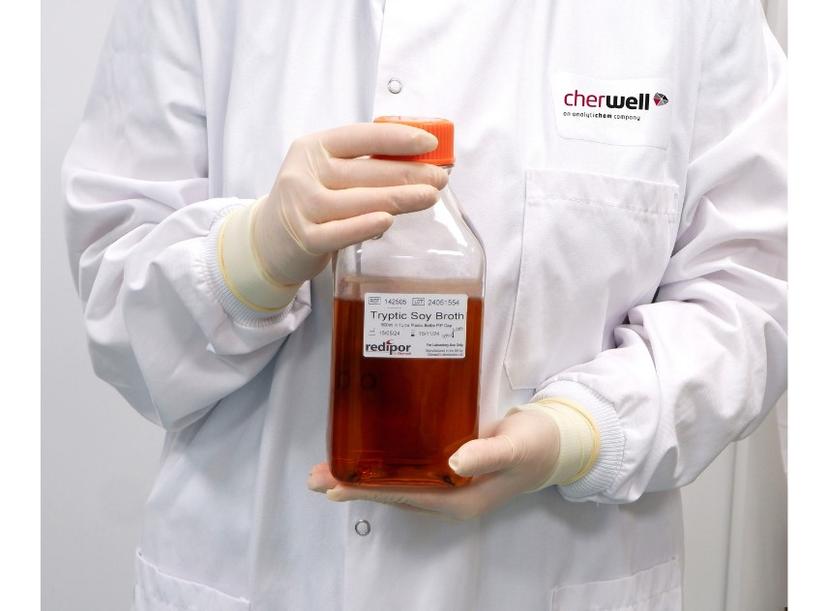
Redipor® terminally sterilized plastic bottled media products are tougher, lighter and require lower recycling temperatures than glass.
Cherwell, cleanroom microbiology solutions experts, has introduced a new Redipor® Plastic Bottle prepared media range in response to a request from a large pharmaceutical company for support in meeting its sustainability targets. The new terminally sterilized plastic bottled media products offer a more environmentally friendly and cost-effective alternative to glass bottled media for use in sterile pharmaceutical manufacturing.
Recycling plastic requires much less time and energy compared to glass. Glass requires around 900°C of heat to melt and recycle, whereas plastic has a lower temperature requirement of approximately 200°C. This ‘carbon expense’ of glass is a key reason for adopting the use of plastic in aseptic manufacturing environments; as in some regions, such as Scandinavia, this is considered a major factor to supporting the drive towards the United Nations 17 Sustainability Development Goals.
Available in 250 mL and 1 L sizes, the new Redipor plastic bottled products are made from materials that meet USP Class VI requirements and presented in a 45-mm, wide-mouth format with a square-base. This facilitates sterility testing applications and makes them strong with a high shatter resistance, and easier to handle, pack and store. Not only does this minimize waste from breakage, but also transportation costs as they are tougher and weigh less than glass. These factors further support sustainability initiatives.
Want the latest science news straight to your inbox? Become a SelectScience member for free today>>