
Specialized filter paper for dried blood spot sampling exhibits highly reproducible platform for direct elution
I.W. Tremont CFP-DBS-v1 material for dried blood spot sampling, storage and transport delivers reliable performance for diagnostic applications
9 Oct 2019
Industry news
CFP-DBS-v1, a high purity cotton-based cellulose filter paper from I.W. Tremont, provides an optimal matrix for collection of protein biomarkers for quantitative analysis. Developed specifically as a specimen collection device component for bioanalysis applications such as dried blood spot collection, CFP-DBS-v1 material exhibits high levels of uniformity in density and formulation. An important physical attribute has been optimized for the emerging direct elution technique, whereby the sample is eluted without the traditionally performed punch process. This key attribute makes CFP-DBS-v1 ideal for the next generation of highly automated sample handling processes which may further extend the viability of devices in this category.
“We designed the material for compatibility with the Guthrie test*, the original screening test for newborns, yet it is also optimized for direct elution which serves the needs of future applications,” says James A. Averso, Vice President of Sales and Marketing at I.W. Tremont. The uniform purity and density of CFP-DBS-v1 material delivers highly reproducible results in assays designed for testing the presence of phenylalanine, phenylpyruvate, and phenyllactate in blood or urine*. “This material is both interchangeably equivalent to competitive products in more mature test procedures, while it is optimized for future technologies,” Averso added.
I.W. Tremont CFP-DBS-v1 dried blood spot cellulose paper consists of high-purity alpha cotton linter formed into a blotter paper. It is manufactured to yield uniform surfaces for consistent absorption. The manufacturing process is closely monitored to assure lot-to-lot reproducibility, with all material continued chemistries verified against a quality standard using HPLC and GC. For the traditional punch-to-elute techniques, the fiber finish yields cleanly punched edges demonstrating minimal extraneous fibers. In direct elution techniques, the slightly thinner caliper and lower density yields lower backpressure with reliable recoveries.
Valuable for forward-looking device designs, the material holds embossing with or without heat set and converts well for incorporation into diagnostic devices. Certificates of Conformance and Certificates of Analysis are provided with shipments. I.W. Tremont facilities are ISO registered and compliant to GMP.
*At time of publication, no FDA 510k has been filed or approved. Suitability without such approval in clinical use is not implied. Incorporation in approved devices shall be the responsibility of OEM.
Want more science news straight to your inbox? Become a member of SelectScience for free today>>
Related products
Request Quote for All Products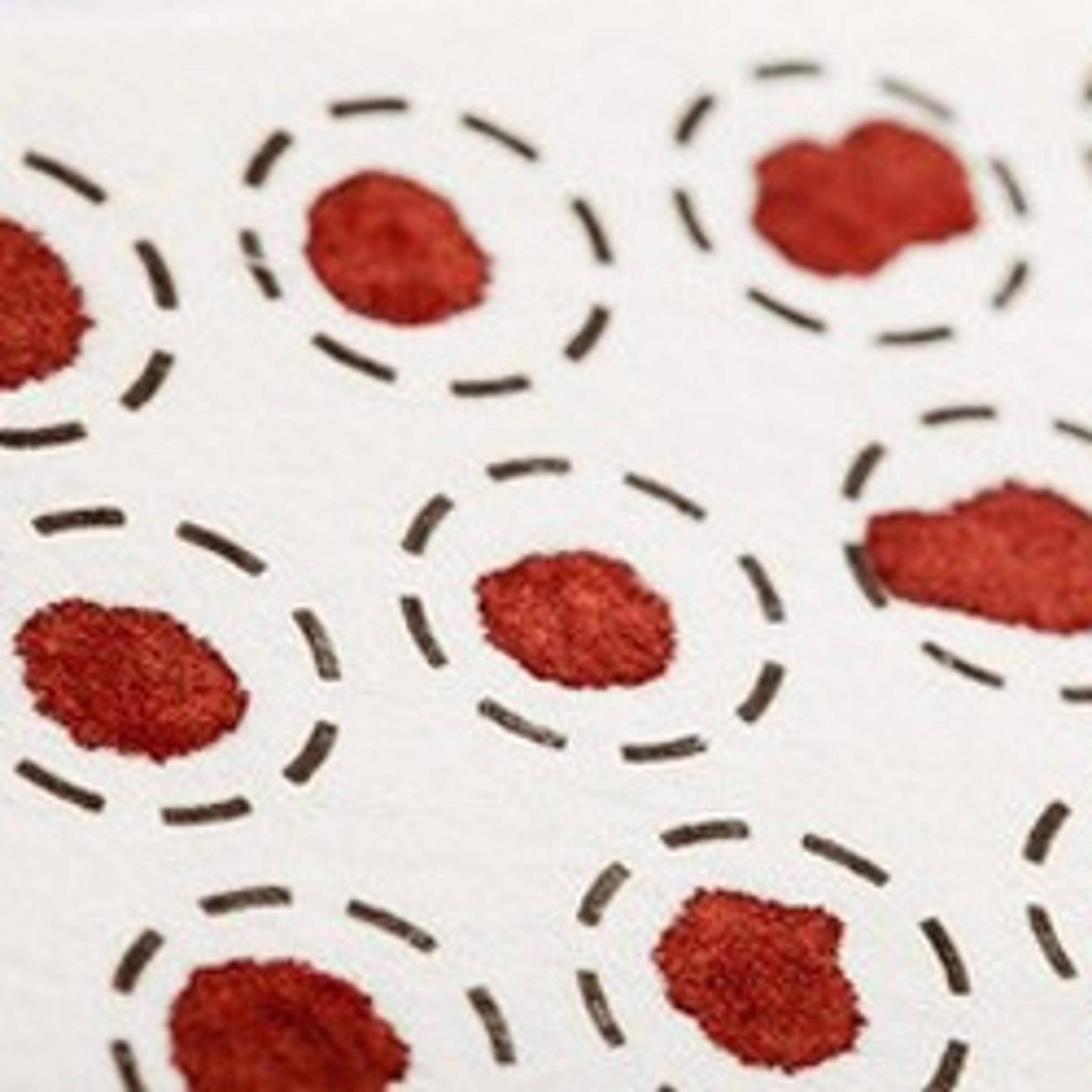
Dried Blood Spot Analysis - CFP-DBS-v1
I.W. TremontCFP-DBS-v1 (Cotton Filter Paper Dried Blood Spot variant 1)