Specac – Enabling Great Science
Catch Specac at Pittcon, booth 4141 to learn about all their latest innovations
20 Feb 2017
Product news
Specac will be exhibiting at Pittcon this year, booth 4141. Read on to find out what will be on display at this year’s show.
Quest™ ATR
Specac’s Quest ATR accessory is a single-reflectance ATR accessory designed for routine quantitative and qualitative analysis of solids, liquids, powders, pastes and gum-like samples.
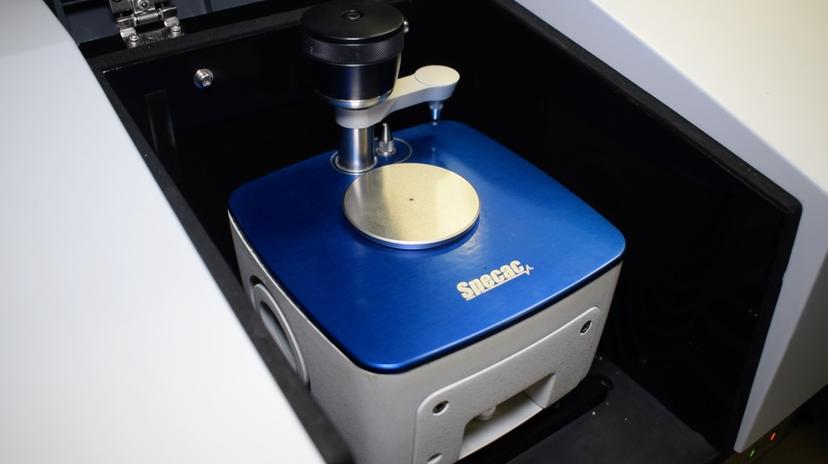
It is easy-to-use, comes with a range of crystal pucks, provides a good throughput, has extended wavelength range capability and allows for reproducible loads.
Interchangeable ATR pucks are magnetically held in place and easy-to-remove. You can choose from four pucks:
- high throughput diamond
- extended wavelength diamond
- ZnSe
- Ge
Watch this video to find out more.
The Quest fits into Specac’s benchmark baseplate system, so isn’t limited to a specific spectrometer.
The pressure tower is consistent for great accuracy and repeatability through strong contact with sample. And it can be moved to allow for easy sample introduction.
Collect reliable and accurate readings from a range of challenging samples with the Quest ATR (and don’t forget that you can choose from a range of colours!).
Manual Hydraulic Press
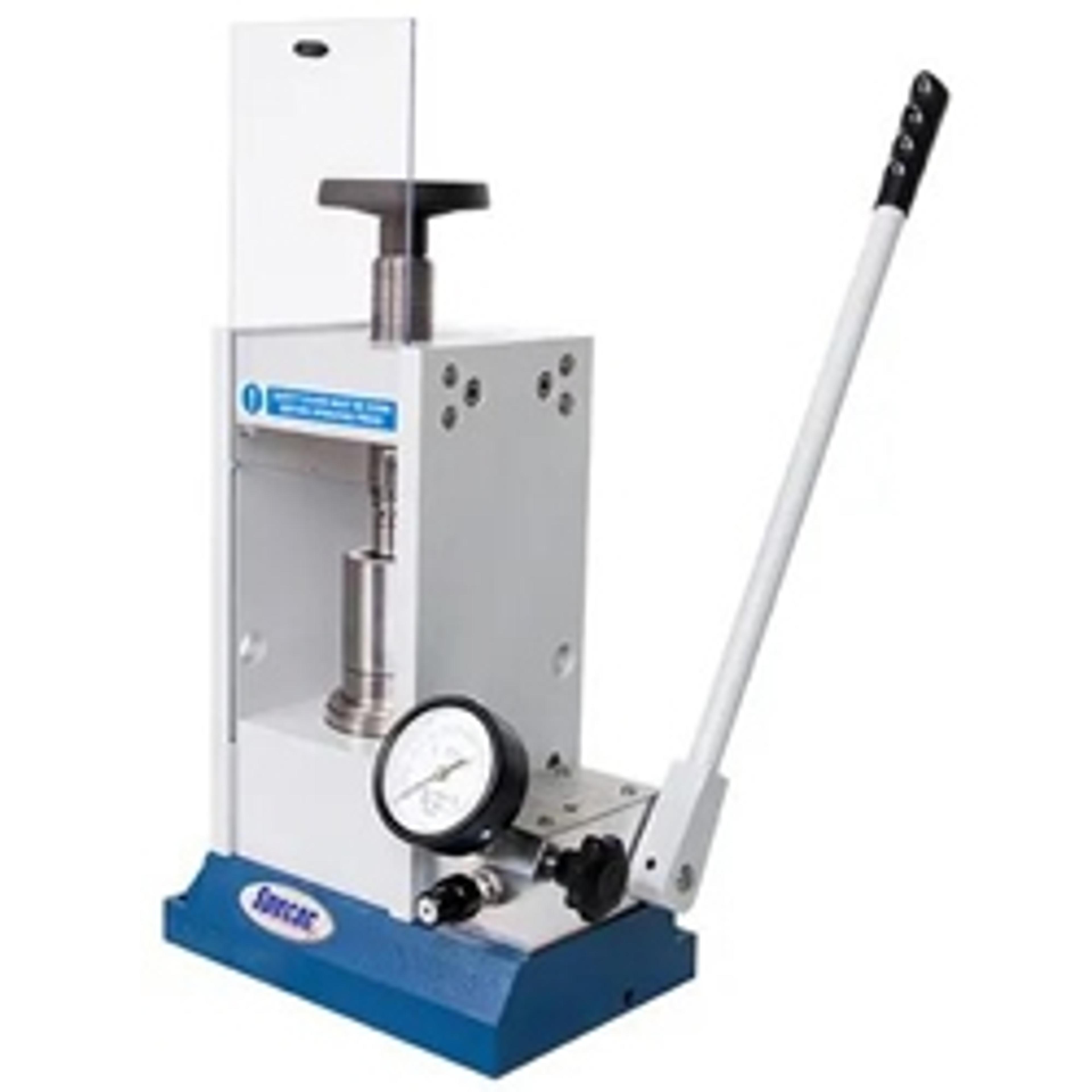
The Manual Hydraulic Press is Specac’s easy-to-use and compact solution for producing sample pellets.

The press pumps oil as a hydraulic fluid to raise a pressing piston and compress a sample held in the pressing area. You can opt for 15 or 25 ton configurations.
Front and rear polycarbonate safety guards protect the user against any explosive events occurring from a high-force pressing. Oil is pressurised from the pumping of the handle.
Watch this video to find out more.
The build-up of pressure from resistance between the press and a sample is shown on the load gauge. The gauge is calibrated in both UK imperial tons and metric tons
The press has a compact, small footprint design making it ideal for bench-top and glove box laboratory applications.
It is particularly well-suited for FTIR KBr pellet press, XRF pellet press and thin film press applications when used in conjunction with Specac Evacuable Pellet Die assemblies or Heated Platens and associated Thin Film making kits.
So, to recap:
- 15 Ton and 25 Ton configurations
- polycarbonate safety guards
- adjustable upper bolster
- adjustable pressure control valve
- vacuum ports
- pressure release valve
- low pressure conversion gauges
Evacuable Pellet Dies
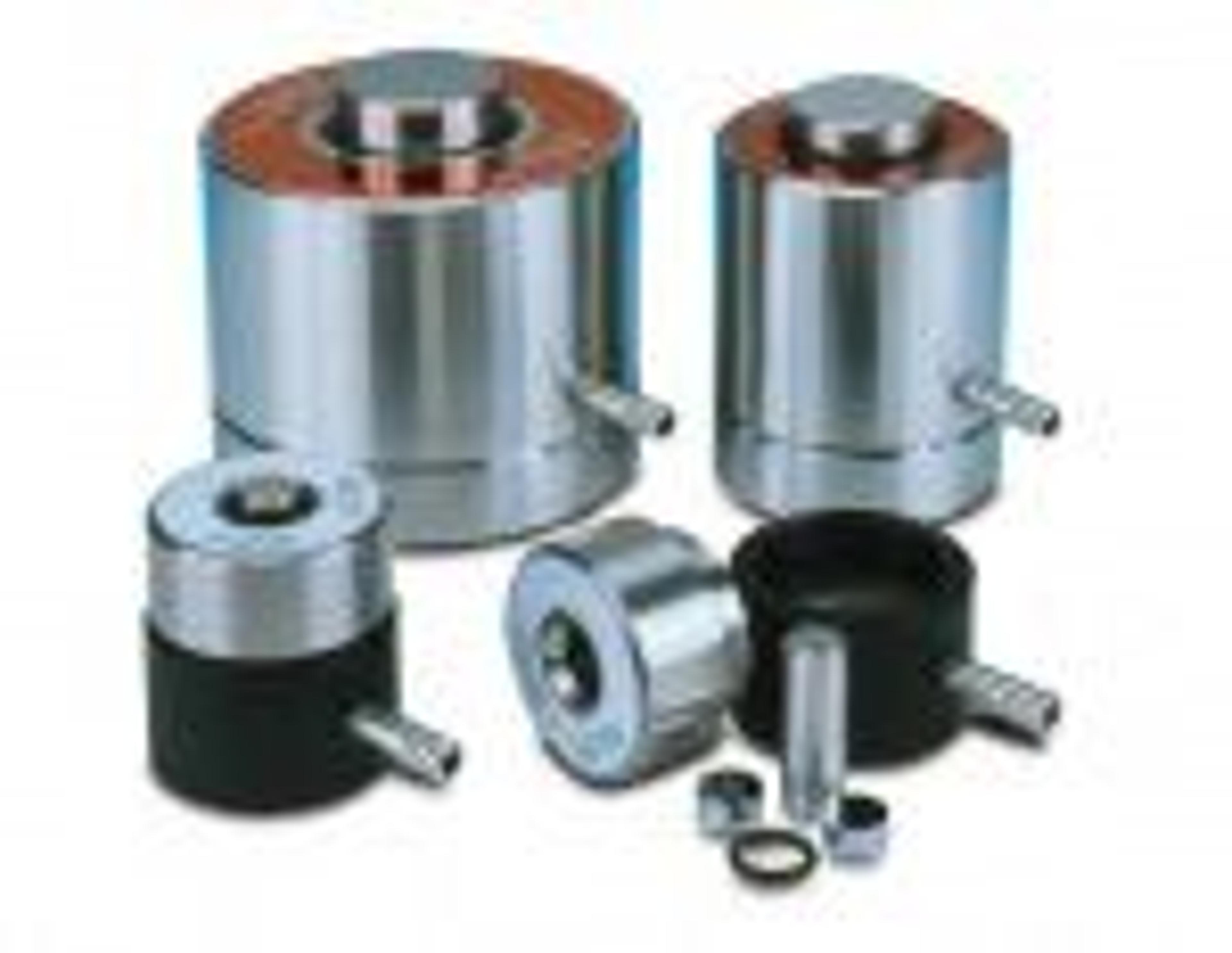
Specac manufactures a wide range of high-quality Evacuable Pellet Dies, suitable for compacting powdered samples into discs or briquettes.
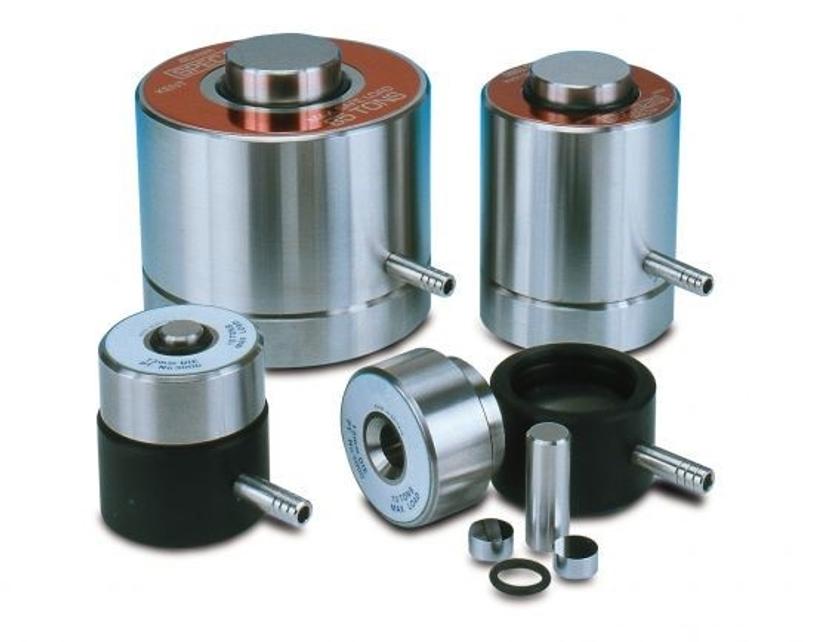
These pellet dies allow you to prepare solid KBr pellets or FTIR molecular spectroscopic analysis and XRF pellets for X-Ray Fluorescence atomic spectroscopic analysis, as well as for a broad range of other applications.
Typically, these evacuable pellet dies are used in conjunction with Specac’s Atlas Series of Hydraulic Presses.
Circular pellets produced range from 5mm to 40mm in diameter. But other shapes and sizes are available on request.
For optimum quality and durability of the pellet die, all parts of the Evacuable Pellet Dies are manufactured from hardened stainless steel and all surfaces that come into contact with a sample are highly polished.
Each Pellet Die comprises an evacuable base, body, plunger, set of pellets, extractor ring, and O Ring Kit.
To recap:
- ideal for producing high-quality pellets
- evacuable for sample pellet clarity and quality
- hardened stainless steel for durability
- highly polished pellets
- wide range of sizes and load capabilities
The Pearl™
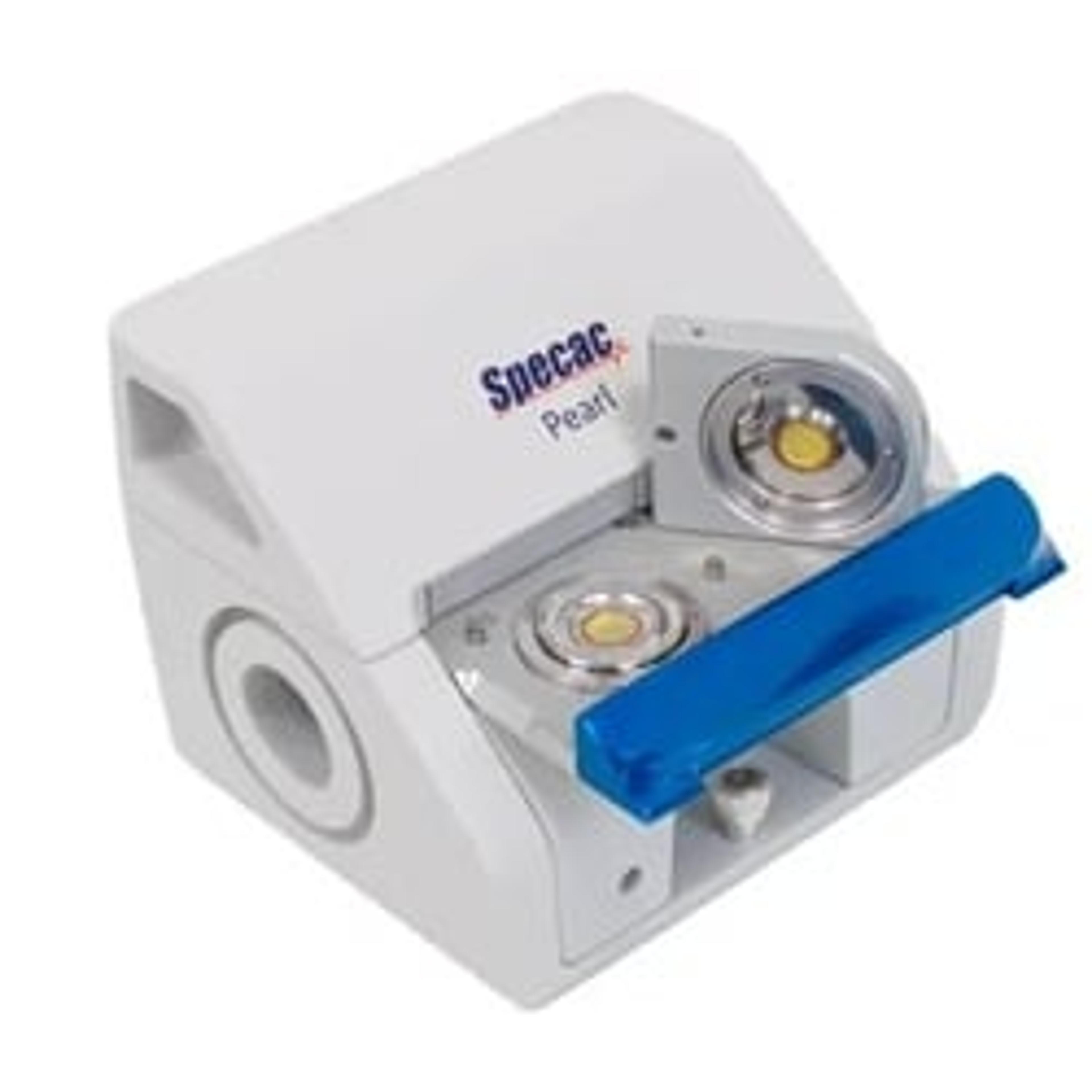
The latest innovation from Brit-lab engineers, Specac is the Pearl, a new liquid FTIR transmission analysis essential.

The Pearl houses all fluid consistencies, no mess and no fuss. With a pipette or with a syringe, users can introduce a liquid sample and clean up in seconds.
Testing viscous liquid example
Pull out the Pearl’s sample draw and open the Oyster Cell by lifting its upper window and placing alongside the lower window.
With a pipette, introduce a small amount of the sample onto the lower window of the Oyster Cell.
Close and check through the top window for any bubbles or other visible sample imperfections.
Watch this video to find out more.
If you’re happy, close the sliding draw and prepare to test.
Collect your spectral reading. Open the sliding tray and Oyster. Wipe the Oyster Cell windows clean.
Use a soft lens cleaning-type tissue, moistened with a suitable solvent if needed. Then wipe with a dry lens cleaning-type tissue. Now you’re ready for your next sample.
Get in touch for more info: [email protected], +1 866 726 1126 (USA & Americas), 01689 892902 (rest of world).
Follow Specac on Twitter @Specac, find them on LinkedIn at Specac Ltd, email Specac at [email protected], read content and application notes at www.specac.com and call Specac on +1 866 726 1126 (USA & Americas) or 01689 892902 (rest of world).