
Spanish Hospital uses Syngene System for Western Blot Imaging To Speed up Clinical Diagnostic Vaccine Analysis
3 Jul 2018Industry news
Syngene, a world-leading manufacturer of image analysis solutions, announced that a Syngene multi-application imager is being utilised by scientists at a major hospital in Spain to accelerate Western blot analysis of proteins expressed by white blood cells post-vaccination. Researchers at the hospital in Spain are using the Syngene system to rapidly and accurately analyse ECL labelled chemiluminescent Western blots of cellular receptors and proteins expressed by neutrophil and leukocyte white blood cells. This fundamental research is allowing the scientists to detect changes in protein expression post-vaccination and is providing information to make predictions about the efficacy of, and potential adverse events associated with clinical vaccines.
The Syngene system at the hospital is also fitted with a UV transilluminator and green, blue and IR LED lighting as the researchers also currently use the system to visualise Ethidium bromide stained DNA gels and may in future image and analyse fluorescent multiplex Western blots.
A pharmacist at the hospital said: “After vaccination we need to see which proteins are being expressed to determine the efficacy and safety profile of a vaccine. As part of this research we work with chemiluminescent Western blots, but we don’t want to image our results using X-ray film as this is time consuming and difficult.”
The pharmacist added: “In 2015, we installed a Syngene imager because scientists from other laboratories recommended the system. My colleague and I have found the system to be a very good device and easy to use. A major advantage for us now is that we obtain results much more rapidly than using X-ray film.”
“We’re delighted to hear that our imaging system is being used to speed up vital research t a major Spanish hospital,” stated Dr Martin Biggs, Sales Manager at Syngene. “Their work is a great endorsement of how this innovative imaging technology can be used in an immunology laboratory to improve the throughput and quality of vaccine testing.”
Do you use a Syngene imager in your lab? Write a review today for a chance to win $400!
Related products
Request Quote for All Products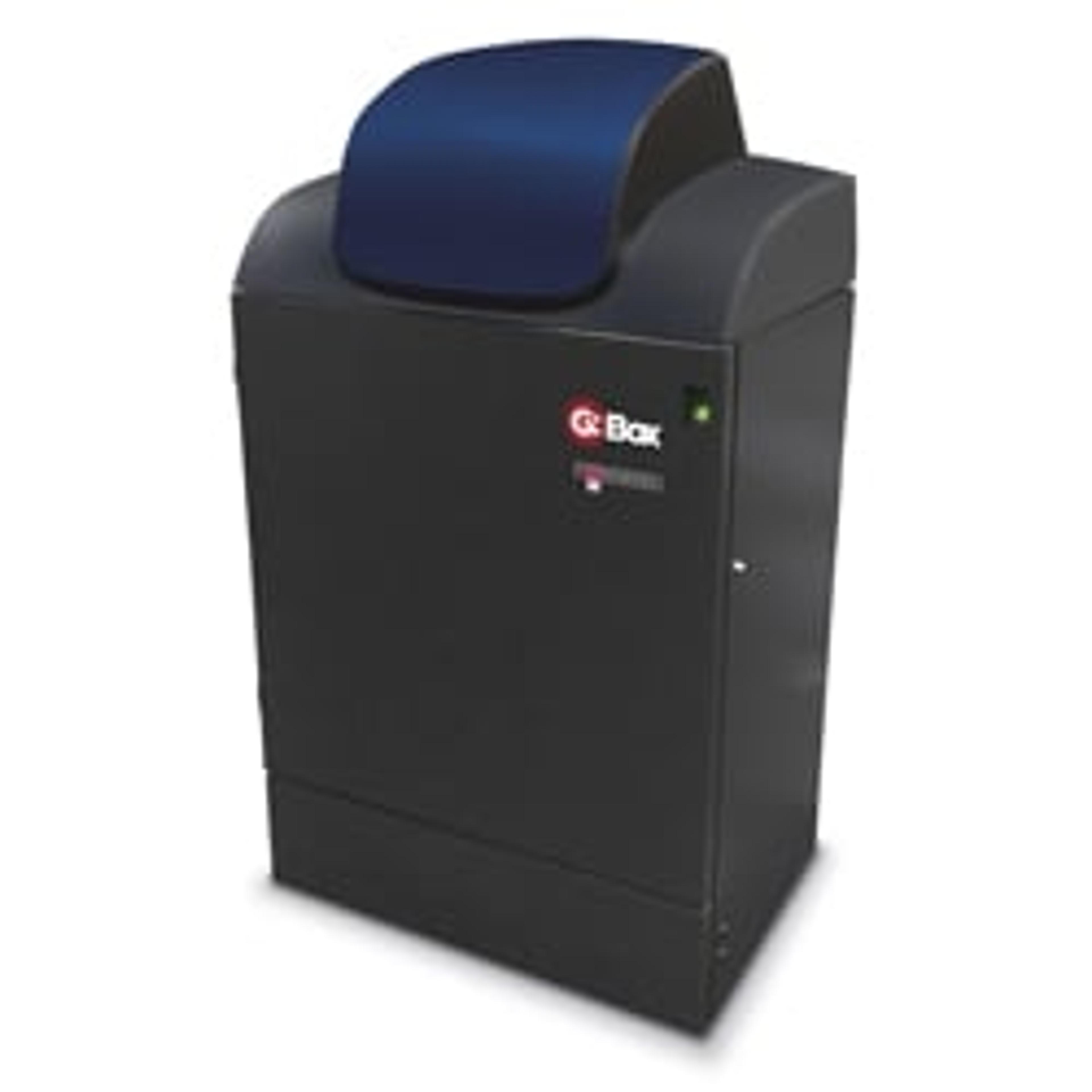
G:BOX Chemi XX9
SyngeneG:BOX Chemi XX9 gel imaging system has a high resolution camera for imaging multiple sample types and sizes, from fluorescence 1D to 2D gels to chemiluminescent blots. Your lab’s imaging system shouldn’t control how you detect proteins on Western blots. Chemiluminescence is great if you want sensitive detection of picogram or femtogram amounts, while fluorescence lets you quantify and detect multiple different proteins on one blot.
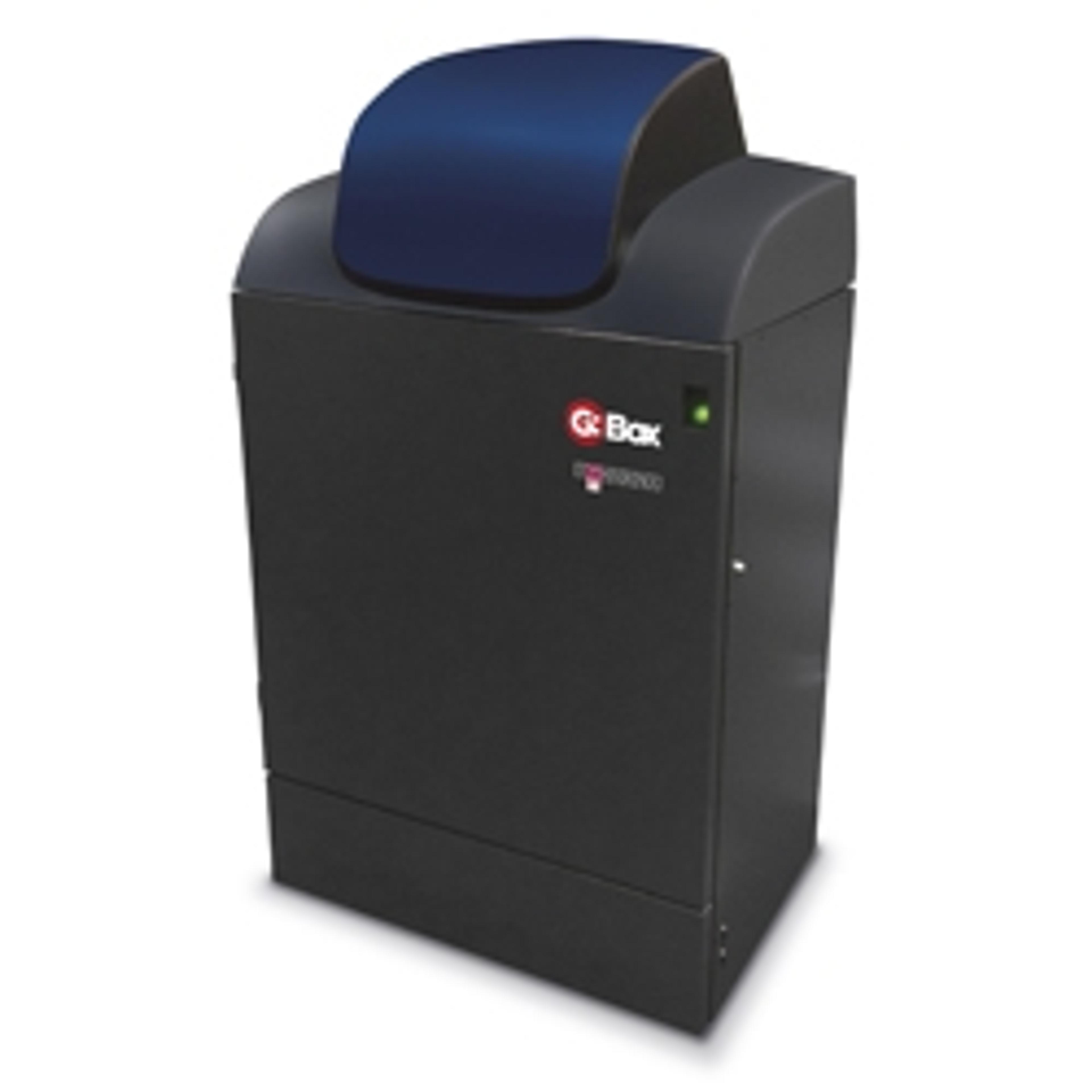
G:BOX Chemi XX6
SyngeneG:BOX Chemi XX6 gel imaging system has a high resolution camera for imaging multiple sample types and sizes, from fluorescence 1D to 2D gels to chemiluminescent blots. Your lab’s imaging system shouldn’t control how you detect proteins on Western blots. Chemiluminescence is great if you want sensitive detection of picogram or femtogram amounts, while fluorescence lets you quantify and detect multiple different proteins on one blot.