
Small but mighty: Discover the data systems pioneering laboratory digitalization
Find out how small data systems can create new possibilities for better, more verifiable science in your lab in this SelectScience webinar
28 May 2020
Expert insights

The lab of the future is a data-centric enterprise, but with most of our industry's attention focused on the possibilities arising from Big Data, gaps still remain. These gaps, left by many ubiquitous benchtop tools, leave holes in the data chain that affect researchers' ability to diagnose result variances. Thanks to technological advancements, this is now changing.
In this upcoming SelectScience webinar, hear from Steve DeCabooter, Director of Connected Platforms at Gilson, to discover and learn why small data systems are different and how they create new possibilities for better, more verifiable science using Gilson's connected platform.
Register NowWatch this webinar to learn:
- How small data systems are different from traditional systems
- How small data systems can enhance overall reliability, traceability, and reproducibility in the laboratory
- The new possibilities that exist for researchers using connected benchtop equipment
Who should attend?
- This webinar will provide insights for those researchers both in industry and academia who want to explore small data systems and their importance in laboratory digitalization
The live webinar takes place on Thursday, June 11, 2020, at:
- 16:00 BST
- 17:00 CEST
- 11:00 EDT
- 08:00 PDT
Register to watch the full webinar here>>
SelectScience runs 3-4 webinars a month across various scientific topics, discover more of our upcoming webinars>>
Related products
Request Quote for All Products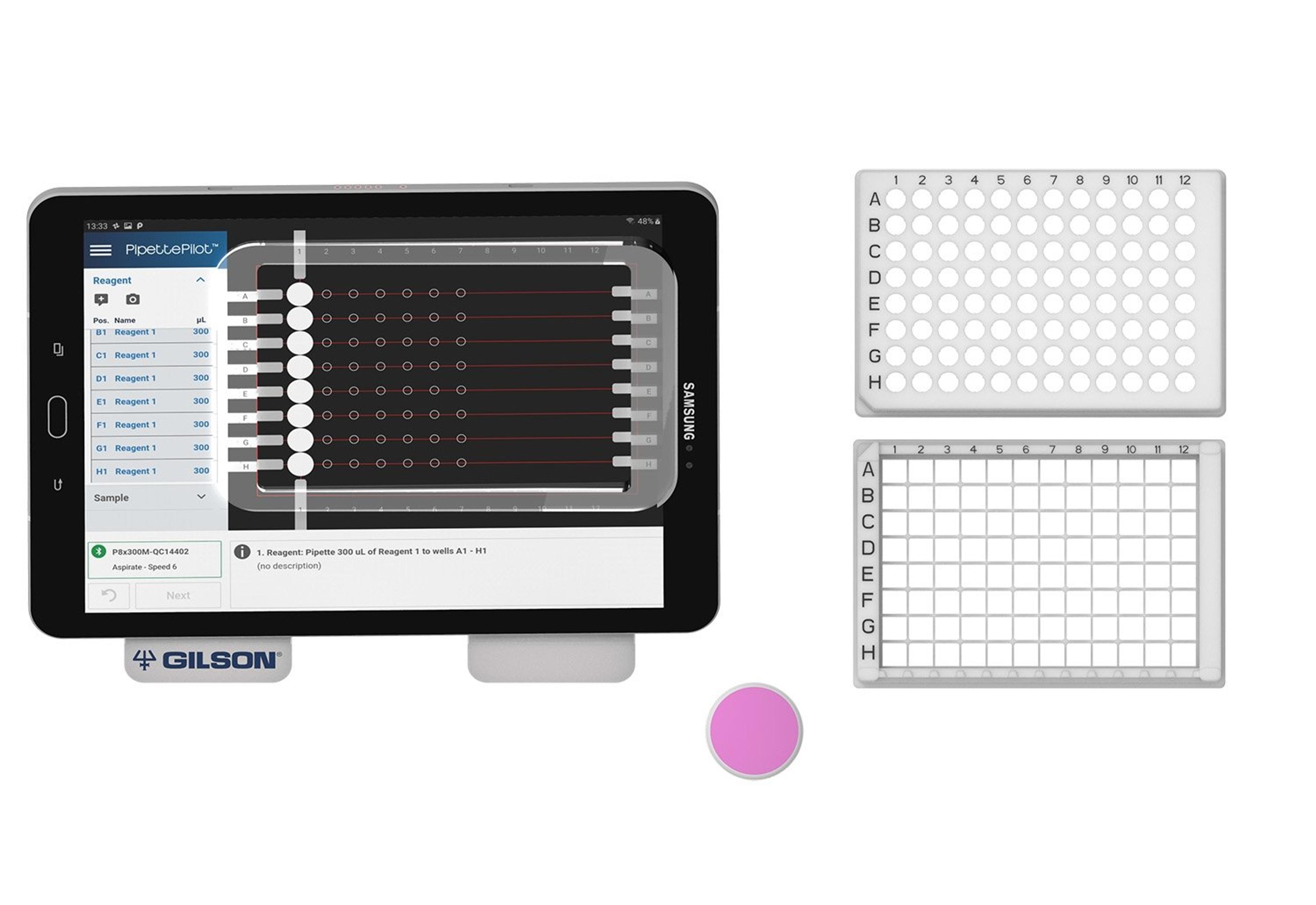

PIPETMAN® M Connected
Gilson, Inc.Connected electronic pipettes: pipette smarter, report faster, confidently