Siemens Reveals New Clinical and Workflow IVD Solutions at AACC 2015

2015 AACC Annual Meeting and Clinical Lab Expo: Booth 1409

28 Jul 2015

Lois Manton-O'Byrne, PhD
Executive Editor

Product news

Siemens Healthcare Diagnostics has revealed its latest in vitro diagnostic solutions—including the recently FDA-cleared ADVIA Centaur XPT Immunoassay System1—at the 2015 AACC Annual Meeting and Clinical Lab Expo, Atlanta, July 26–30. In addition to featuring its portfolio of multidisciplinary solutions designed for use in hospital, reference, and physician office laboratories and near patients’ bedsides, the booth will highlight how Siemens’ customers around the world are achieving their clinical and workflow goals.

“Customers need a reliable partner who can help them achieve higher levels of operational efficiency while providing quality results that lead to optimal patient care,” said Michael Reitermann, CEO, Siemens Healthcare Diagnostics. “The solutions we are showcasing at this year’s AACC can help customers successfully achieve their workflow and clinical goals, regardless of the size of their operations or testing demands.”

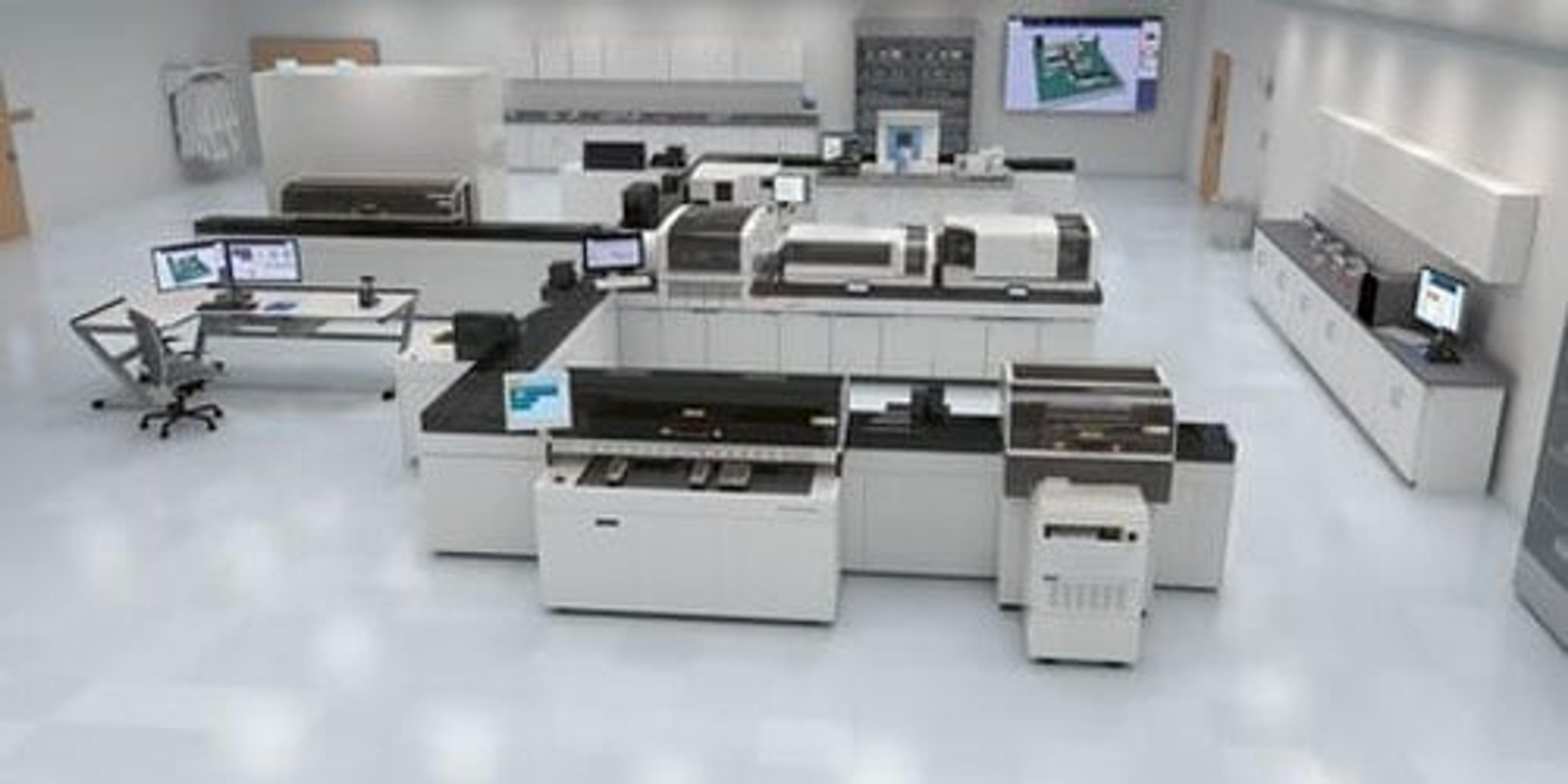
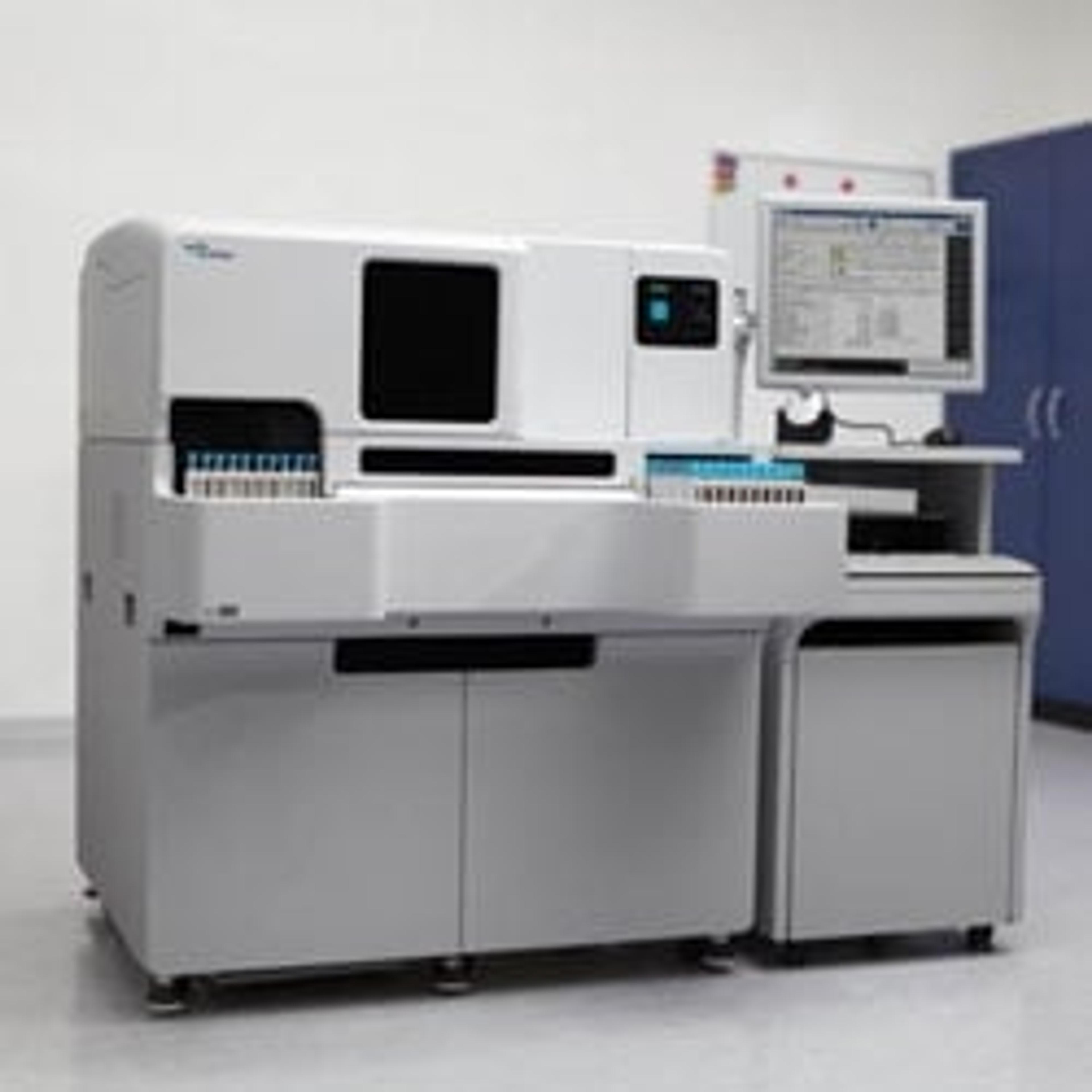
One such example, the ADVIA Centaur XPT Immunoassay System,1 is a high-throughput analyzer that enhances workflow to meet the demands for reliable and rapid immunoassay testing. Recently FDA-cleared, this analyzer is designed to provide simple, continuous operation; accurate, timely results; and powerful, seamless connectivity including to Aptio Automation, the company’s flexible, track-based automation system.

Aptio Automation’s connectivity options include the ADVIA Chemistry XPT System, Siemens’ newest high throughput chemistry analyzer, and the Sysmex CS-5100 System,2 a high-volume hemostasis analyzer. Siemens is the only single-source provider able to connect all four key laboratory disciplines—chemistry, immunoassay, hematology, and hemostasis—to the automation track.

Also at the booth is the Sysmex CS-2100i System,2 a mid-volume benchtop hemostasis analyzer. Both the Sysmex CS-2100i System and Sysmex CS 5100 System are currently under FDA review and utilize simultaneous multi wavelength detection and first-to-market PSI technology to manage unsuitable coagulation samples (e.g., improperly filled sample tubes) for high-quality accurate results.

Another new hemostasis offering on display—one for point-of-care testing—is the Xprecia Stride Coagulation Analyzer.1 Winner of the prestigious Red Dot design award, this handheld coagulation system is designed to perform prothrombin time testing (PT/INR). In hematology, the company now offers small to mid-sized laboratories the ADVIA 360 Hematology System,3 ADVIA 560 Hematology System,3 and ADVIA 560 AL Hematology System,3 each of which became available globally earlier this year. These systems offer state-of-the-art hematology testing capabilities and may be used as backup systems for larger laboratories.

The company’s leadership in workflow and clinical excellence is also evidenced by its latest products in urinalysis, infectious disease and molecular testing, and customer education.

The CLINITEK AUWi PRO Automated Urinalysis System4 is a true walkaway solution for integrated urinalysis testing. It combines a urine chemistry analyzer (CLINITEK Novus Automated Urine Chemistry Analyzer) with a urine sediment analyzer (Sysmex UF-1000i Automated Urine Particle Analyzer).

New infectious disease assays include the ADVIA Centaur HIV Ag/Ab Combo (CHIV) assay, which allows for sensitive and specific detection of HIV p24 antigen and antibodies and may improve detection of early acute infections. The ADVIA Centaur Syphilis assay is used as an aid in the disease’s diagnosis. This assay allows for sensitive and specific detection of antibodies to Treponema pallidum in human serum or plasma (EDTA, lithium or sodium heparinized, sodium citrate).

In molecular testing, experts will be on hand to discuss the Siemens Tissue Preparation Solution, a single fully-automated solution and reproducible and standardized process for the extraction of high-quality nucleic acid from formalin-fixed paraffin-embedded (FFPE) and fresh frozen (FF) tissues. This solution is enabling technology for the next generation of molecular diagnostics, including next-generation sequencing for infectious disease and oncology testing.

Another innovative offering making its debut at AACC is Siemens PEPconnect, part of the total Personalized Education Plan (PEP),5 the industry’s first personalized education and performance experience for the healthcare professional. With optimized technology and increased search capabilities, PEPconnect allows customers to access education and real-time performance support virtually anytime, anywhere, and on any device, including PCs, laptops, tablets, and smartphones. It enables users to construct a personalized learning experience and easily share and connect with others in their workgroup community.

Aptio® Automation

Siemens Healthineers

Aptio® Automation combines intelligent technologies with Siemens Healthineers workflow expertise to deliver flexible solutions that advance your laboratory’s productivity. Accelerate processing and achieve consistent turnaround time using intelligent routing, single-sample flow, and primary tube sampling technologies.Improve utilization of lab resources through data-driven simulations, optimization modeling, and best practices of an experienced partner. Position your laboratory for future expansion and rapid access to innovations in automation and diagnostics with a highly adaptable, multidisciplinary track.
(2)

Links

Tags

HematologyIn Haematology / Hematology, complete blood cell counts (or full blood counts) are obtained using automated blood count analyzers to enumerate blood cell types.  Hematology also encompasses haemostasis and coagulation, thrombophilia and hemophilia, plasma viscosity and ESR analysis, hemoglobinopathies, cell morphology and haematinic measurement.ImmunologyImmunological techniques measure and characterize immune responses. Immunology kits and analysis systems often use techniques such as ELISA, radioimmunoassay (RIA) and immunodiffusion assays, Immunohistochemistry, and flow cytometry. Immunologists use equipment such as flow Cytometers, plate readers, plate washers and fluorescent microscopes.Cellular PathologyCellular Pathology deals with the microscopic analysis of tissue samples and cells. Sample preparation and processing includes fixation, staining, sectioning and slide mounting, using equipment such microtomes and cryostats. In choosing immunohistochemistry and immunocytochemistry kits, consider chromogens, staining method, antibodies, microscopes and imaging.Point-of-CarePoint-of-Care Testing (POCT) or Near Patient Testing (NPT) products are available for urine, blood and other clinical chemistry analyses. POCT includes: blood glucose testing, blood gas and electrolytes analysis, rapid coagulation testing (PT / INR), rapid cardiac markers diagnostics, drugs of abuse screening, urine strips testing, pregnancy testing, fecal occult blood analysis, food pathogens screening, hemoglobin diagnostics, infectious disease testing and cholesterol screening.Clinical ChemistryBiochemistry (or clinical chemistry) involves the analysis of bodily fluids using chemical tests. Techniques used include HPLC, chromatography, spectroscopy, mass spectrometry, immunochemical, electrophoresis, turbidometric / spectrophotometric assay, MRI and ISE analysis. Tests are often carried out on plasma or serum but urine (urinalysis) and fecal specimens are also processed.Clinical GeneticsMolecular Genetics covers the analysis of hereditary genetic disease and chromosomal abnormalities. Genetics can be analysed using DNA, RNA, and protein microarrays, PCR, RT PCR and DNA sequencing. Genetic equipment includes genetic workstations, thermal cyclers, cooling blocks and electrophoresis products. Diagnostic kits are used for DNA / RNA extraction and purification.Clinical MicrobiologyMicrobiology is the study of microorganisms including protists, prokaryotes, fungi, and, often, viruses. Microorganisms are a useful research tool as genetic vectors and, in immunology, for antibiotic susceptibility testing, cellular biology and genetics. Microorganisms commonly grow readily in incubators with microbial culture media; this can contain chromogenic supplements to differentiate between cell lines. Estimate your culture’s density of microorganisms with colony counters, or screen and select colonies for desirable clones with automated colony pickers. Additionally, equipment is available to monitor environments for the presence of microbes and identify with microbial identification instruments. Find the best microbiology products in our peer-reviewed product directory: compare products, check customer reviews and receive pricing direct from manufacturers.Embryology / IVFEmbryology refers to the development of an embryo resulting from the fertilization of the ovum, to fetus stage. In vitro fertilization (IVF) refers to the fertilization of the egg outside of the human body, and is an important treatment for infertility.Hematology Point of CarePoint of Care SolutionsPoint of care solutions provide medical diagnostics and treatments at or near the site of patient care. These technologies offer rapid results, helping healthcare providers make quick decisions. From glucose monitors to molecular diagnostics, point of care solutions are transforming healthcare delivery by reducing wait times and improving patient outcomes. Explore the best point of care products in our peer-reviewed product directory, compare options, check reviews, and get pricing directly from manufacturers.AACCThe American Association for Clinical Chemistry (AACC) Annual Meeting and Clinical Lab Expo is the largest meeting for clinical laboratory professionals in the world. This year's meeting is being held in Atlanta, USA, July 26th-30th, 2015.Hematology SolutionsHematology solutions involve diagnostic tests and equipment used to analyze blood samples and diagnose blood disorders such as anemia, leukemia, and hemophilia. These tools include automated full blood count analyzers, reagents, and digital morphology systems. Explore hematology solutions in our peer-reviewed product directory; compare products, check reviews, and get pricing directly from manufacturers.In Vitro DiagnosticsIn vitro diagnostics (IVD) involve testing samples outside the body, typically in a laboratory, to diagnose diseases or conditions. IVD technologies include blood tests, molecular assays, and other bodily fluid tests, enabling accurate diagnosis and monitoring of diseases. These tests are essential for guiding treatment decisions in clinical settings. Browse our peer-reviewed product directory to find the best IVD solutions; compare products, check reviews, and get pricing directly from manufacturers.Molecular DiagnosticsMolecular diagnostics use an individual’s genetic code and gene expression to diagnose and monitor diseases. The technique is used increasingly in the field of infectious diseases and oncology, as well as areas such as coagulation, HLA typing and pharmacogenomics. Molecular diagnostics plays a pivotal role in personalized medicine.Infectious DiseaseInfectious disease diagnostics refers to the isolation and identification of causative agents, such as viruses, bacteria or fungi. Diagnostic tests include bacterial culture, microscopy, chemistry assays, molecular diagnostics and MALDI-TOF. Tests can be carried out in the laboratory or at the point-of-care.