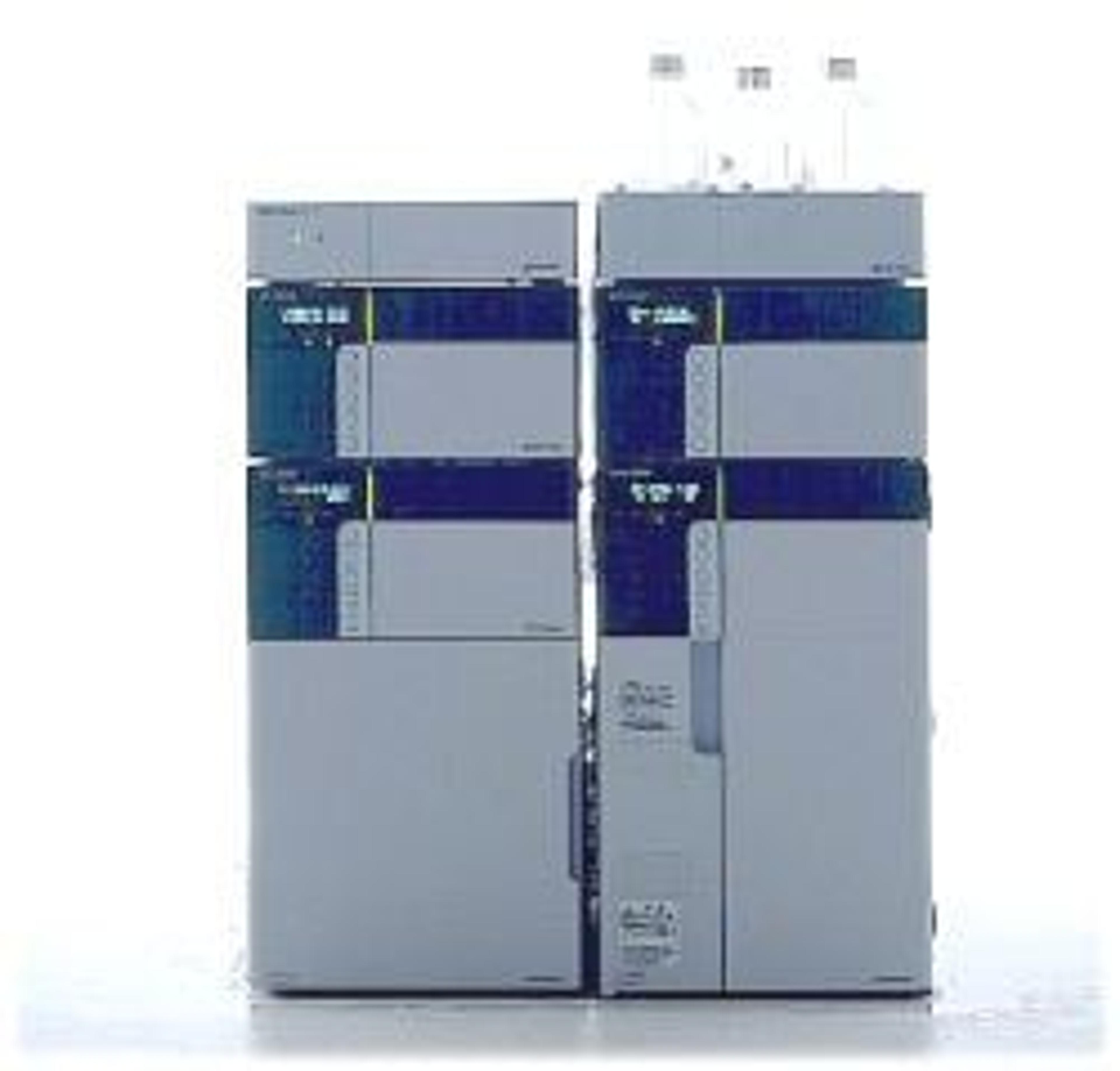
Shimadzu’s New Integrated HPLC BioEthanol Analyzer Offers Round-the-Clock QC Testing at Bioethanol Production Plants

8 Mar 2016
Alex Waite
Editorial Assistant

Product news

Scientific Instruments announces the release of a new BioEthanol Analyzer. Based on the popular Prominence-i integrated HPLC platform, the compact BioEthanol Analyzer is an advanced tool for real-time monitoring of the fermentation process in bioethanol production.

Real-time monitoring allows process controllers to take immediate action when issues arise. Remote monitoring of the BioEthanol Analyzer via the i-Series web interface or LabSolutions Direct provides instrument status and chromatogram information from anywhere using any smart device or PC. Unusual results can be seen immediately and the necessary corrective action taken.

The analyzer’s autosampler features an open-access mechanism that makes it possible to add sample vials easily even when the system is operating. The ability to quickly and conveniently load samples enables the acquisition of real-time analytical results, resulting in more efficient monitoring and improved productivity. The Bioethanol analyzer also features a high-performance refractive index detector with excellent baseline stability and a wide linear range. In addition, a built-in ECO mode reduces power consumption and mobile phase usage to save on operational costs.

LabSolutions software provides for easier, more intuitive operation. The uniform graphical user interface on both the integrated touch screen and the LabSolutions computer screen allows users to easily create analytical methods using the same workflow. In addition, the Quick Batch window displays the sample rack mounted in the system, with samples in the queue color-coded according to sample type. Sample vial numbers and batch sequences are entered through this Quick Batch window, allowing any user to create batch files quickly and easily.

Prominence HPLC System

The Shimadzu Prominence high-performance liquid chromatograph achieves an exceptional level of performance, reliability and great expandability to support diverse applications from ultra-fast liquid chromatography to preparative LC, gel permeation chromatography (GPC), ion chromatography, and LC/MS.Many analysis techniques use LCMS, which requires a front-end HPLC system to provide solvent delivery performance in the micro to semi-micro range and injectors with low sample carryover. Prominence is a network-ready HPLC system that meets the demands of today's advanced users. Prominence features the world's first Web control, fastest sample injection, and highest detection sensitivity performance…functions that surpass current HPLC technology.Prominence HPLC System Features: Reduced total analysis time - The SIL-20A Series autosamplers achieve unparalleled speed, with a sample injection movement of just 10 seconds. Extremely Low Sample Carryover - Multi-rinse mode achieves optimal rinsing for proteins and other sample components that are difficult to wash away. Hardware Expandability - Prominence allows configuration of the optimal analysis system for any application. Software Expandability - Range of software environments to apply Prominence to diverse fields Auto-purge functionality.

(38)

Links

Tags

AutosamplersAutosamplers are automated sample loaders used with a number of separation and analytical techniques. HPLC autosamplers use automated partial or full-loop injection systems and place samples in vials or microplates for analysis. Autosamplers can also be used for elemental analysis. Features to consider include repeatability, syringe capacity, footprint and temperature controls.  UHPLC and HPLCHigh performance liquid chromatography (HPLC) and ultra high performance liquid chromatography (UHPLC), also known as UPLC, are analytical techniques used to separate, identify and quantitate components of complex mixtures including biological samples such as proteins and lipids as well as chemical mixtures of pesticides, drugs and oils. Both techniques are liquid chromatographic methods but differ by operating pressures (HPLC < 6000 psi < UHPLC ). Components of HPLC and UHPLC systems include columns, detectors, pumps, autosamplers and column heaters. Explore a range of UHPLC and HPLC columns for your specific sample needs including reverse phase, normal phase, ion exchange, HILIC, ion exclusion and size exclusion columns. For more specialized HPLC, explore FPLC, countercurrent LC and simulated moving bed systems. Find the best UHPLC and HPLC equipment in our peer reviewed product directory: compare products, check customer reviews and receive pricing direct from manufacturers.Sample PreparationSample preparation can improve the quality and speed of separation techniques. Products to assist sample preparation include filtration equipment, evaporators, membranes and sieves.Sample ManagementSample management systems include sample storage devices such as freezers and plate storers, sample environment enclosures and sample organization, retrieval and sorter systems. Useful system features include high-throughput, automation, robotic arms, automated liquid handling and associated database systems. Accessories in sample management include barcode scanners, heat sealers and tubes.Environmental Monitoring and TestingEnvironmental monitoring and testing uses handheld portable analyzers, kits, spectrometers or chromatography systems for air, water, soil, food and other sample testing. Useful features of analyzers such as BOD and COD include portability, easy calibration, automation and sensitivity.  Environmental test kits for pH, water, moisture, etc, should be accurate, sensitive, reliable, fast and easy to use.Robotic InstrumentsRobotic instruments can be used for high-throughput automation of many lab processes. Such processes use instruments for assays like cell based assays and ELISA, for sample preparation like shakers, centrifuges and incubators, and for analysis such as sequencing and western blot analyzers. Useful features of robotic instruments include speed, reproducibility, barcode readers, software and automation.Robotic WorkstationsRobotic workstations are automated platforms enabling the user to perform high-throughput, multi-application processes, from sample preparation tasks such as PCR set-up, DNA purification and NGS library preparation, to integrated sample prep and analysis workstations. Automation makes processes consistent, fast, precise and fully walk-away. Find the best robotic workstations in our peer-reviewed product directory: compare products, check customer reviews and receive pricing direct from manufacturers.Automated Liquid HandlingAutomated liquid handling equipment is used to mix, dilute and dispense allotted volumes of liquid into microplates and other vessels automatically. The robotic, liquid handling arms can dispense from single channel to 3456 multichannel as well as operate nanoliter dispensing, enabling high throughput of samples. Find the best automated liquid handlers in our peer-reviewed product directory: compare products, check customer reviews and receive pricing direct from manufacturers.Bioprocessing / FermentationBioprocessing is the use of biological materials to perform commercial, scientific or medical research processes. Biological materials used include cells, enzymes and organisms. Usually bioprocessing requires a batch or continuous bioreactor such as a fermentor or cell culture system. The advantages of using a reactor include high productivity, easy configuration, adjustable values and automation.Quality ControlQuality control is needed in all production processes. Quality control is a monitoring procedure or set of procedures that are put in place to ensure that a manufactured product adheres to a defined set of quality criteria. FermentationSample HandlingProper and careful handling of samples is important in scientific studies to ensure the integrity of specimens. This will prevent deterioration and cross contamination, and improve the accuracy of sample tracking procedures.Bioethanol
Shimadzu’s New Integrated HPLC BioEthanol Analyzer Offers Round-the-Clock QC Testing at Bioethanol Production Plants