SelectScience Cancer Research Summit 2023 – Taking place today!

Learn about the latest developments in cancer research with fellow scientists, manufacturers, and regulatory experts

14 Nov 2023


Cameron Smith-Craig
Cameron Smith-Craig
Pharma and Applied Sciences Editor

Editorial article

Explore the full exciting schedule for the SelectScience Cancer Research Summit 2023, taking place today.

Covering hot topics such as translational research, predictive molecular pathology, artificial intelligence, liquid biopsy, organoids, cancer screening strategies, proteomic profiling, chemotherapy, prognostic cancer biomarkers, immunology, spatial biology, and much more, this free-to-attend online event offers an interactive forum for scientists and manufacturers to connect, showcase research, and share technology solutions.

The Summit will host talks by world-leading scientists, offering live Q&As, video interviews, interactive resource booths, and unique networking opportunities. Attendees will also be able to view academic posters submitted by our global scientific community, leave comments, ask questions, and prompt collaboration through 1-on-1 chat facilities.

Register for free today

Agenda

Tuesday, November 14

Times in bold are shown as Greenwich Mean Time (GMT).

11:00

Opening address & Poster session

 11:15
 12:15 (CET) 
06:15 (EST)
03:15 (PST)

Harnessing the power of tumor organoids: Next-gen drug screening with live-cell imaging
Dr. Christophe Deben, Assistant Experimental Oncology, Centre for Oncological Research, University of Antwerp
 12:00
 13:00 (CET) 
07:00 (EST)
04:00 (PST)

Precision oncology in practice: The path to clinical utility
Dr. Ofer Sharon, CEO, OncoHost
 12:45
 13:45 (CET) 
07:45 (EST)
04:45 (PST)
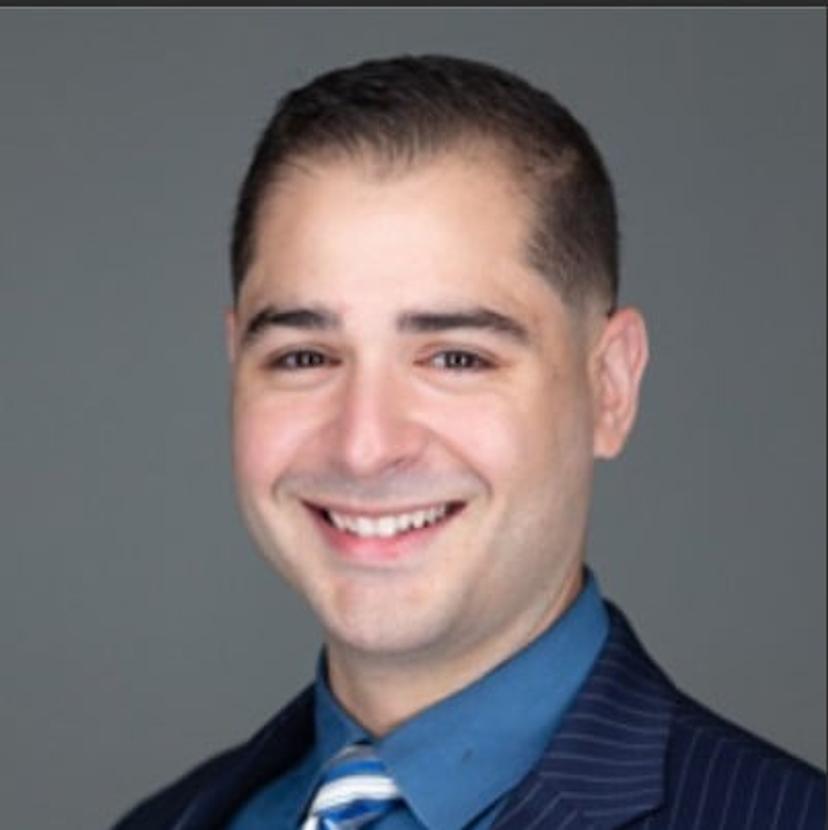
ADME: The building block to successful drug discovery
Samer Sansil, Scientist, Moffitt Cancer Centre
 13:30
 14:30 (CET) 
08:30 (EST)
05:30 (PST)

Analytical considerations for cfDNA biomarker analysis powered by NGS
Krishna Amin, Senior Global Product Manager, Targeted & Enterprise Genomics & Dr. Leif Schauser, Director, Product Management, Genome Analysis, QIAGEN
 14:15
 15:15 (CET) 
09:15 (EST)
06:15 (PST)

Focus on the key players: Surveying the proteome with high-density antibody panels
Dr. Valerie Sloane Jones, Director, Marketing and Technical Support, RayBiotech, Inc.
 15:00
 16:00 (CET) 
10:00 (EST)
07:00 (PST)

Molecular changes in dense breast tissue
Prof. Noelle Cutter, Associate Professor, Molloy College
 15:45
 16:45 (CET) 
10:45 (EST)
07:45 (PST)

Advancing precision oncology with a portfolio of tumor genomic profiling solutions
Akanksha Khare, Senior Scientist, R&D, Agilent Technologies
 16:30
 17:30 (CET) 
11:30 (EST)
08:30 (PST)

Solutions for culturing, maintaining and characterizing induced pluripotent stem cells
Dr. Daryl Cole, Scientist, Sartorius

 17:15
 18:15 (CET) 
12:15 (EST)
09:15 (PST)

Breakthrough research advances early detection in colorectal cancer
Guido Baechler, CEO, Mainz Biomed

Guido Baechler

 18:00
 19:00 (CET) 
13:00 (EST)
10:00 (PST)

Harnessing the power of ddPCR to advance precision oncology
Dr. Trevor Pitcher, Sr. Director, Medical Affairs (Publications and Medical Information), Biodesix, Inc

Dr. Trevor Pitcher, Sr. Director, Medical Affairs (Publications and Medical Information), Biodesix, Inc

 18:45
 19:45 (CET) 
13:45 (EST)
10:45 (PST)

Advantages of new AI-based stain-free cell analysis for cancer research
Tecan

Links

Tags

AntibodiesAntibodies are used in techniques such as confocal and fluorescence microscopy, flow cytometry, ELISA, ELISPOT, immunohistochemistry, western blotting and immunopreciptation. Select specific antigen reactivity, high specific affinity, low non-specific binding, monoclonal or polyclonal, primary or secondary antibodies and associated conjugates such as an enzyme or dye for visualization.Cell / Tissue CultureCell culture or tissue culture is used to study the biology of cells or tissues and to isolate cellular products in an environment which can be manipulated and well defined. Accurately control your culture environment with bioreactors or culture incubators, bind your cells to a surface or together with an extracellular matrix. Distinguish cell types with differential media or proliferate cells with certain characteristics using selective media. Enrich your media with supplements such as growth factors, sera and vitamins. Find the best cell and tissue culture products, kits and equipment in our peer-reviewed product directory: compare products, check customer reviews and receive pricing direct from manufacturers.Cell Lines Stem Cells and Primary CellsPrimary cell cultures, established cell lines and stem cells are vital for <i>in vitro</i> and <i>ex vivo</i> experimentation. High-quality cells, optimized for your applications, alongside optimized cell substrates, growth medium and supplements, are critical for experimental success. Explore a range of cells suitable for your applications, including isogenic cell lines, competent cells, induced pluripotent stem cell (iPSC)-derived cell lines, fungal/bacterial/mammalian cell lines, stem cells and cancer cell lines. Find the best cells for your research in our peer-reviewed product directory: compare products, check customer reviews and receive pricing direct from manufacturers.Flow Cytometry / Cell CountingFlow cytometers are used to count, sort and examine multiple characteristics of cells. Other cell analysis equipment includes image cytometers, cell counters, fluorescence-activated cell sorters (FACS), magnetic-activated cell sorters (MACS), and a range of flow cytometry assay kits. Flow cytometers can reveal information on cell viability, cell proliferation, apoptosis and cell cycle progression, as well as identify cell populations and intracellular or cell-surface molecules. Additionally, some flow cytometers, known as FACS, have an additional sorting function after analysis. Cell counters and image cytometers count live and dead cell populations and can also conduct cell proliferation assays. Find the best flow cytometers, cell counters and cell sorters in our peer-reviewed product directory: compare products, check customer reviews and receive pricing direct from manufacturers.Cellular PathologyCellular Pathology deals with the microscopic analysis of tissue samples and cells. Sample preparation and processing includes fixation, staining, sectioning and slide mounting, using equipment such microtomes and cryostats. In choosing immunohistochemistry and immunocytochemistry kits, consider chromogens, staining method, antibodies, microscopes and imaging.Cell-Based AssaysCell-based assays are used to monitor the presence, quantity and activities of a desired cellular analyte including drug molecules or biomarkers. This can reveal information on cell health (apoptosis, cytotoxicity, viability and proliferation assays), cell metabolism, cell migration and cell signaling mechanisms. Find the best cell-based assay products, kits and equipment with our peer reviewed product directory: compare products, check customer reviews and receiving pricing direct from manufacturers.DNA / RNA Extraction and PurificationPurified DNA and RNA are required for numerous downstream molecular biology applications. Consequently, the importance of high-quality DNA/RNA extraction and purification equipment cannot be underestimated. Many purification kits are available and are typically optimized for nucleic acid type and source, including plasmid DNA, genomic DNA, mRNA, RNA and viral nucleic acid purification kits. Automated extraction and purification of nucleic acids can be implemented with magnetic bead separator instruments or high-throughput purification workstations. Find the best DNA/RNA extraction and purification equipment in our peer-reviewed product directory: compare products, check customer reviews and receive pricing direct from manufacturers.BiomarkersBiomarkers are biological markers which can be measured and evaluated to indicate a biological state. The use of biomarkers in research and diagnosis can indicate a normal or disease state or drug response of cells / tissues. Biomarkers include genetic markers, cell surface markers such as antigens, antibodies or receptors and secreted molecules such as cytokines. An assay system is required for identification of biomarkers. :Next Generation SequencingNext-generation sequencing (NGS), also known as whole-genome sequencing, high-throughput sequencing and massive parallel sequencing, produces and analyses thousands to millions of nucleotide sequences at once. Sequencing systems operate via varying technologies depending on the manufacturer, including sequencing by synthesis, ligation, pyrosequencing, ion semiconductor and single-molecule real-time sequencing. For NGS, library preparation is paramount to successful sequencing. In this section, explore a range of library preparation kits, from targeted, amplicon-based or hybridization-based kits including epigenomic, transcriptomic and genomic workflows to fragmentation kits. Find the best next-generation sequencing products in our peer-reviewed product directory: compare products, check customer reviews and receive pricing direct from manufacturers.Personalized medicinePersonalized medicine refers to the idea of customized healthcare, where medical decisions and treatments are tailored to the individual patient. Molecular diagnostics, companion diagnostics and Next Generation Sequencing (NGS) play a pivotal role in this approach.Cancer DiagnosticsThere are a wide variety of diagnostic tests for cancer available, and this range continues to expand as our knowledge of cancer improves. Current diagnostic methods include biopsy, imaging and blood tests for known biomarkers. New methods in research development include liquid biopsies and cancer breathalyzers.Breast CancerBreast cancer is a type of cancer that begins in the cells of the breast and can spread to other parts of the body. Early detection, accurate diagnosis, and targeted treatments are essential for improving patient outcomes. Browse our peer-reviewed product directory to find the best breast cancer research and diagnostic tools, compare products, check reviews, and get pricing directly from manufacturers.Cancer ResearchAlthough cancer is often referred to as a single condition, it actually consists of more than 100 different diseases. Microscopy, mass spectrometry, high throughput sequencing and flow cytometry are some of the most common techniques employed in cancer research labs.