Sartorius Stedim Biotech Partners with Nova Biomedical to Create a Unique Tool to for Automated Cell Culture Analysis
16 May 2017
Product news
Sartorius Stedim Biotech (SSB), a leading international supplier to the biopharmaceutical industry, today announced an agreement with Nova Biomedical (Nova), a well-known US manufacturer of cell culture analyzers, to integrate their BioProfile® FLEX2 into the ambr® multi-parallel bioreactor systems for automated, at-line cell culture analytics.
SSB and Nova are collaborating to combine two highly innovative technologies. Both the BioProfile® FLEX2 analyzer and the parallel bioprocessing functionality of the ambr® create a unique tool able to simultaneously run, sample and analyze a massive number of cell culture conditions during high-throughput cell line, media and process development by Design of Experiments (DoE). This will allow biopharmaceutical companies to develop well-characterized cell culture processes in less time while preventing the process development bottleneck being shifted to the analytical laboratory.
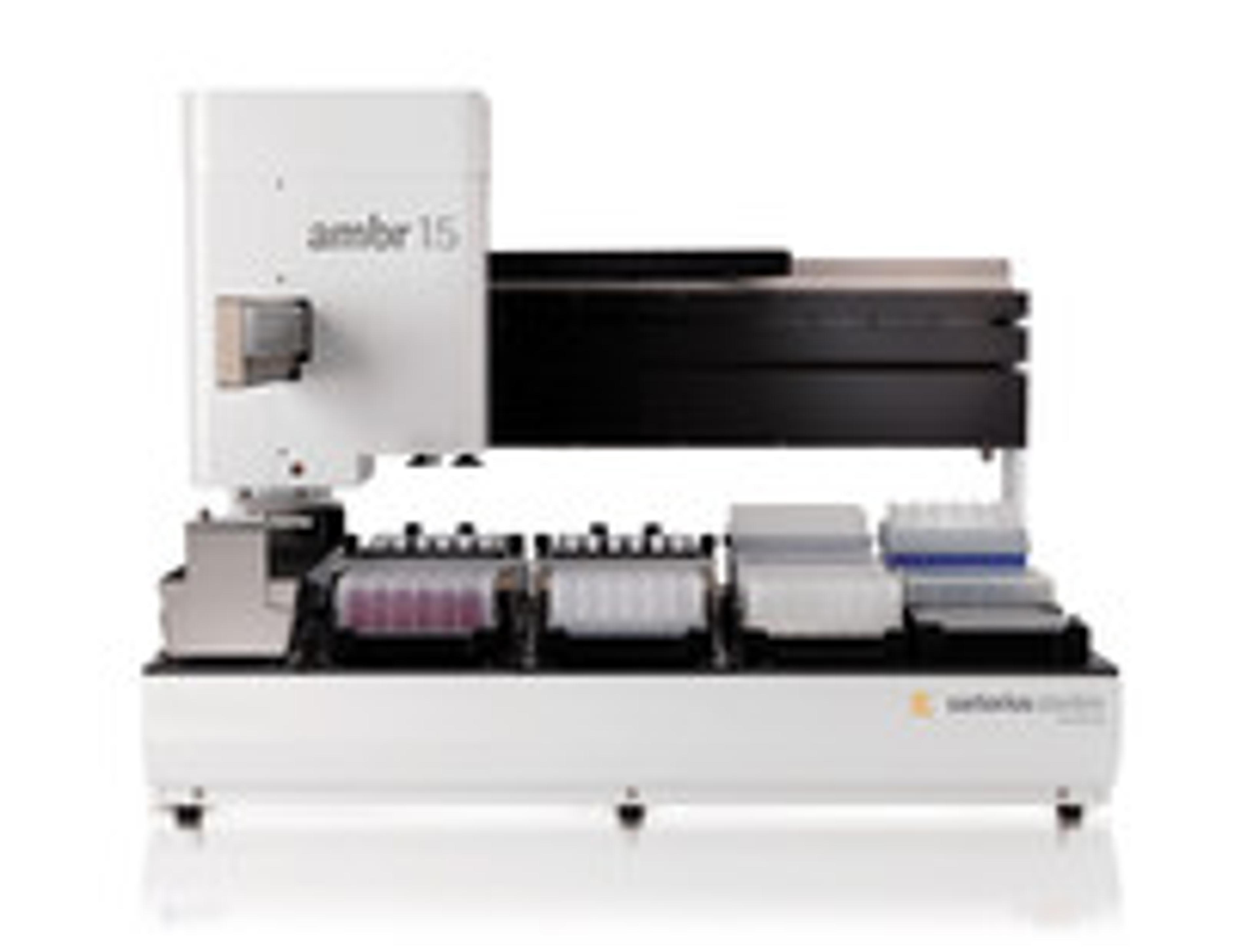
The partnership will deliver full integrated analytics for the ambr® 15 cell culture system in Q3 2017 and later in 2017 for the ambr® 250 high throughput. The ambr® platform mimics the characteristics of classical bioreactors at the microscale by allowing automated parallel processing of single-use bioreactors. Integrating ambr® and the BioProfile® FLEX2 will benefit users by allowing independent sampling, sample transfer, analysis and automated feedback control in each mini bioreactor.
Stefan Schlack, Senior Vice President Marketing and Product Management at SSB, said: "The combination of ambr® and Nova’s BioProfile® FLEX2 solution saves time by significantly increasing the amount of data that can be generated per run. Together with our Umetrics and BioPAT® MFCS software suites, this will offer a complete solution to generate and analyze the vast amounts of data required for a QbD approach to upstream bioprocess development.”
“We’re very excited about this collaboration”, said Nicholas Theodore, Senior Vice President of Global Sales for Nova Biomedical. “The combination of Nova’s expertise in automated cell culture analysis and Sartorius’ talent in delivering micro-scale smart reactors will yield tremendous benefits for the biotech industry. The integration of BioProfile® FLEX2 with the ambr® cell culture systems will result in accelerated commercialization of products and the ability to develop more products at lower cost, while ensuring the best quality of biotherapeutics for patients worldwide.”
Related products
Request Quote for All Products
ambr® 250
Sartorius Groupambr® 250 is a new bioreactor system for parallel fermentation or cell culture using 100-250mL single-use bioreactors controlled by an automated liquid handling platform.The new system, developed with two major industrial partners, builds on the original ambr® microscale technology developed by TAP Biosystems (now part of Sartorius Stedim Biotech).