
Sartorius releases the 4th edition of its popular live-cell analysis handbook
A comprehensive and interactive digital guide, to real-time live-cell imaging and analysis
15 Sept 2020
Industry news
Sartorius, a pioneer in new technologies for real-time live-cell imaging and analysis, has released the 4th edition of its Live-Cell Analysis Handbook. The handbook was first launched in 2017 as a comprehensive reference guide for live-cell analysis technologies, with a focus on the complete suite of Incucyte® live-cell assays and reagents. The handbook has been well received by Incucyte® users, generating over 2,500 requests of its 3rd edition.
The live-cell applications covered in the handbook include cell culture quality control assays and kinetic assays for cell health, proliferation, and viability; cell migration and invasion, protein dynamics, complex cell models; and neuronal models. The 4th edition includes new sections on assays for evaluating Organoid Culture QC, ATP Metabolism, and Cell Cycle. Additionally, there is a new chapter on kinetic assays for immune cell health and function.
“This new edition truly encompasses the broad range of assays that can be accomplished across multiple therapeutic areas, allowing scientists to push the boundaries of cell-based assays. Of particular interest in this edition are assays using live-cell indicators, such as CytoATP, for direct quantification of dynamic ATP changes in complex co-culture models. With our unique assay, combining instrumentation, hardware and reagents, we are able to evaluate nutrient exchange between tumor and stromal cells, which can mediate resistance to metabolically-targeted treatments,” said Lindy O’Clair, Head of BioA Applications, Reagents and Consumables. “Giving scientists the tools they need to streamline their research and gain deeper biological insights, across a range of assay models, is imperative to driving novel advances in science.”
The Incucyte® Live-Cell Analysis System allows for real-time, uninterrupted monitoring of a range of cell types, from proliferating tumor cells to sensitive primary cells. Validated Incucyte® live-cell assays, reagents and protocols, allow scientists to explore questions across a range of applications and research fields, without the limitations of end point assays. The handbook is written by Sartorius scientists and product managers, and updated yearly to include the newest offerings.
To download the free 4th Edition Live-Cell Analysis Handbook, click here.
Want more of the latest science news straight to your inbox? Become a Selectscience member for free today>
Related products
Request Quote for All Products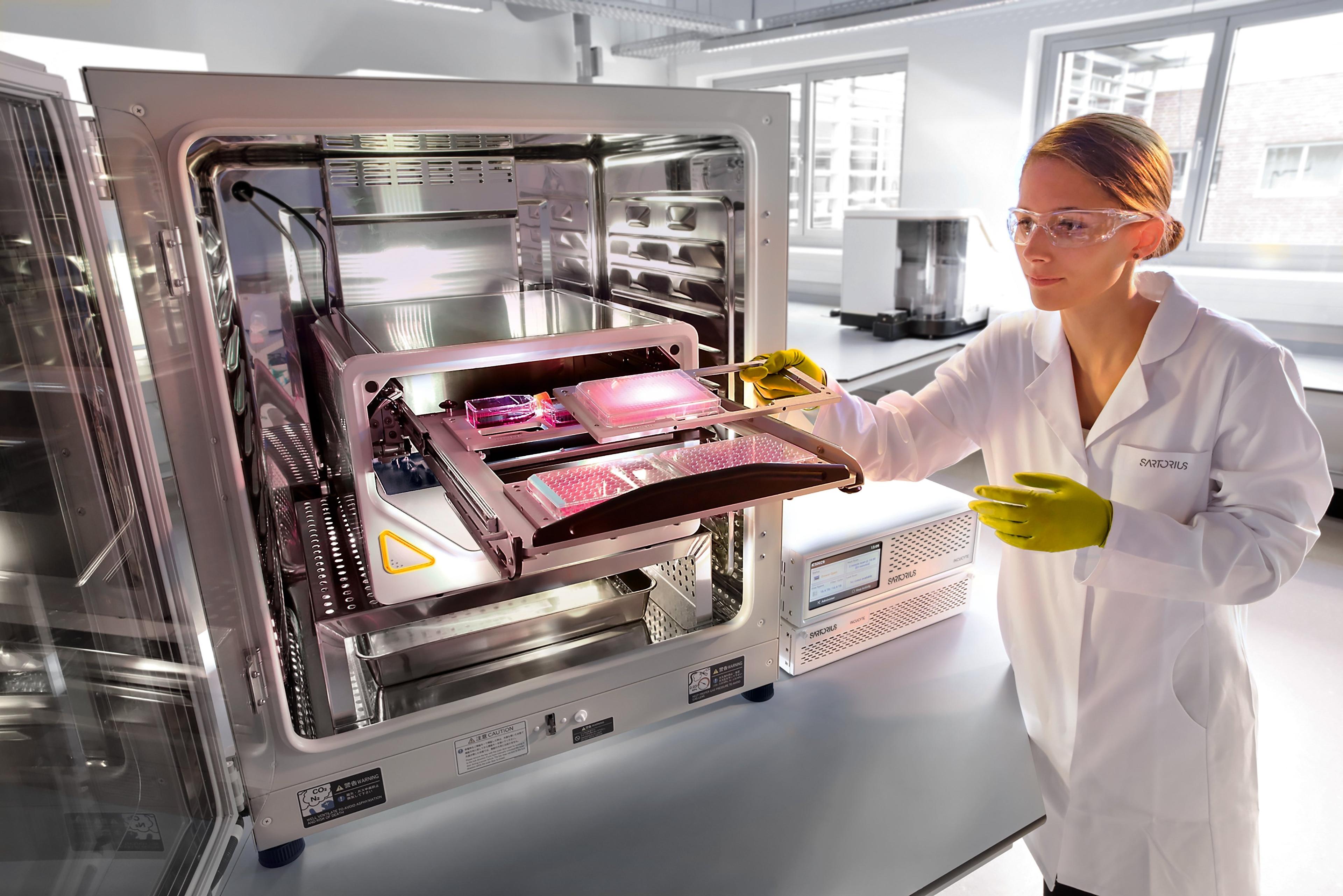
Incucyte® Live-Cell Analysis Systems
Sartorius GroupIncucyte ® , Empower Live-Cell Analysis Inside Your Incubator