Sartorius Opens New Application Center in Shanghai

3 Nov 2014

Sarah Thomas
Associate Editor

Industry news

Sartorius, a leading international laboratory and pharmaceutical equipment supplier, officially opened a new application center at its Shanghai office last week. Among the guests, representatives from the Shanghai government, customers from the biopharmaceutical industry as well as business partners and the media attended the opening ceremony.

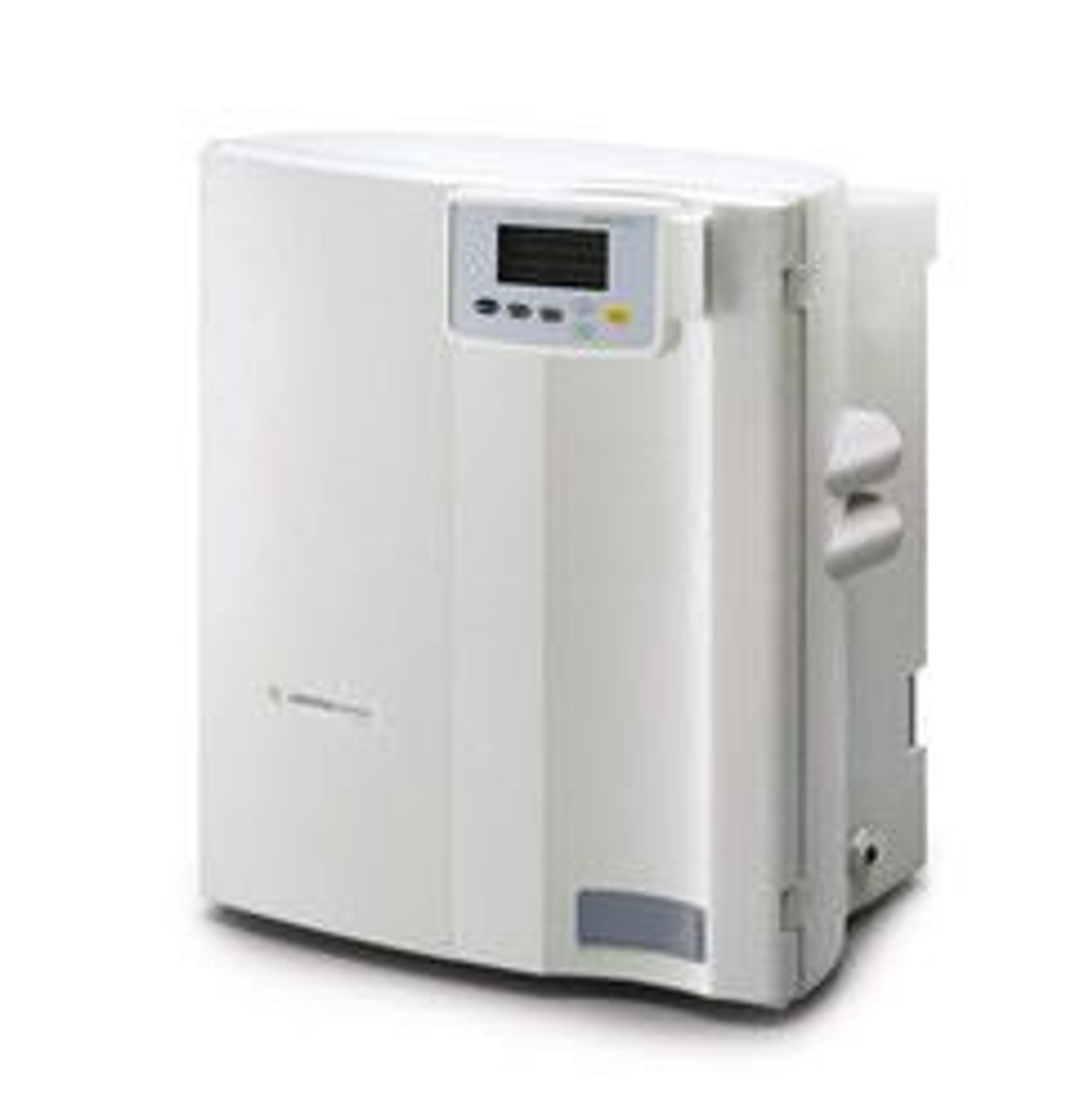
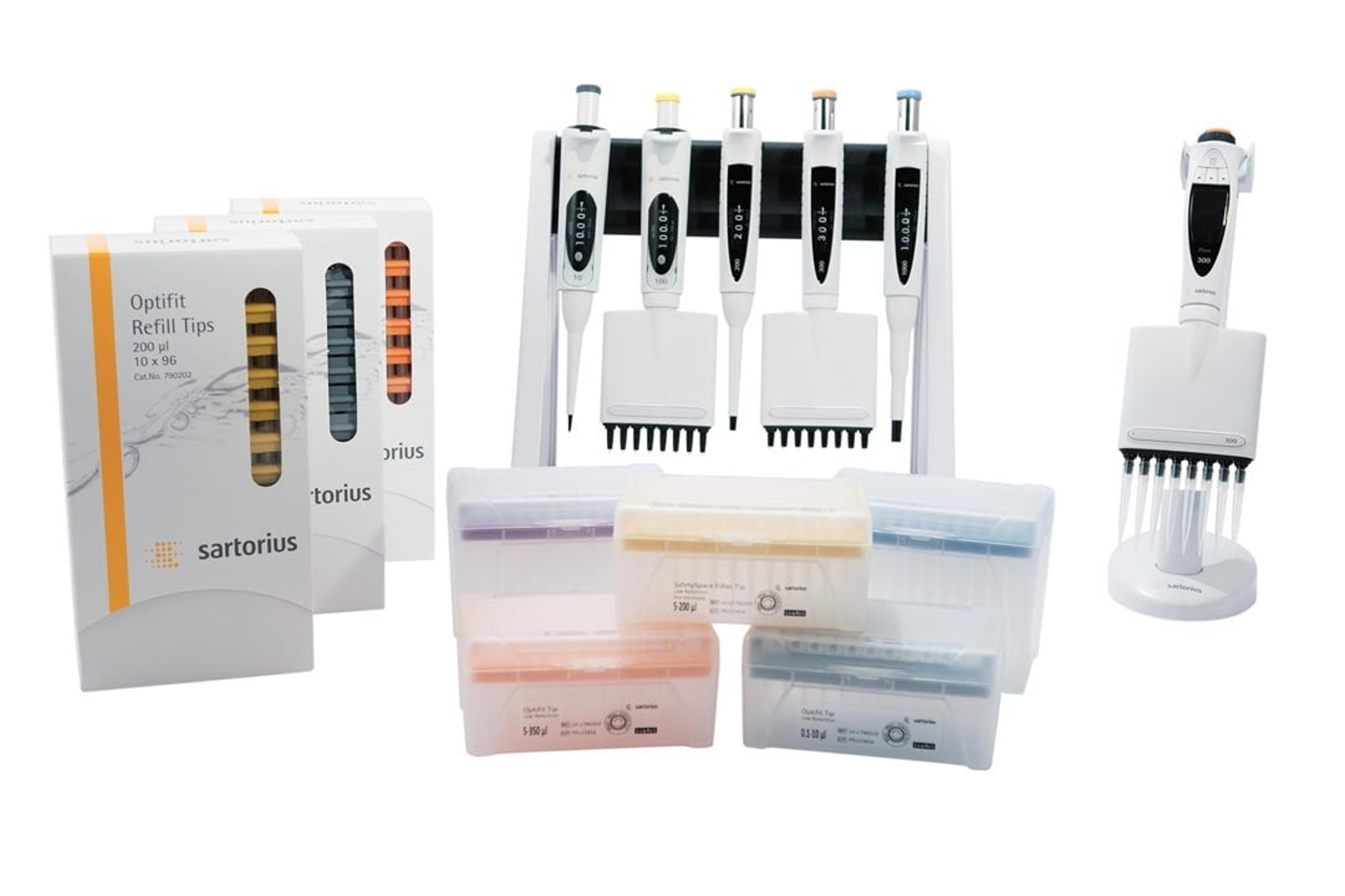
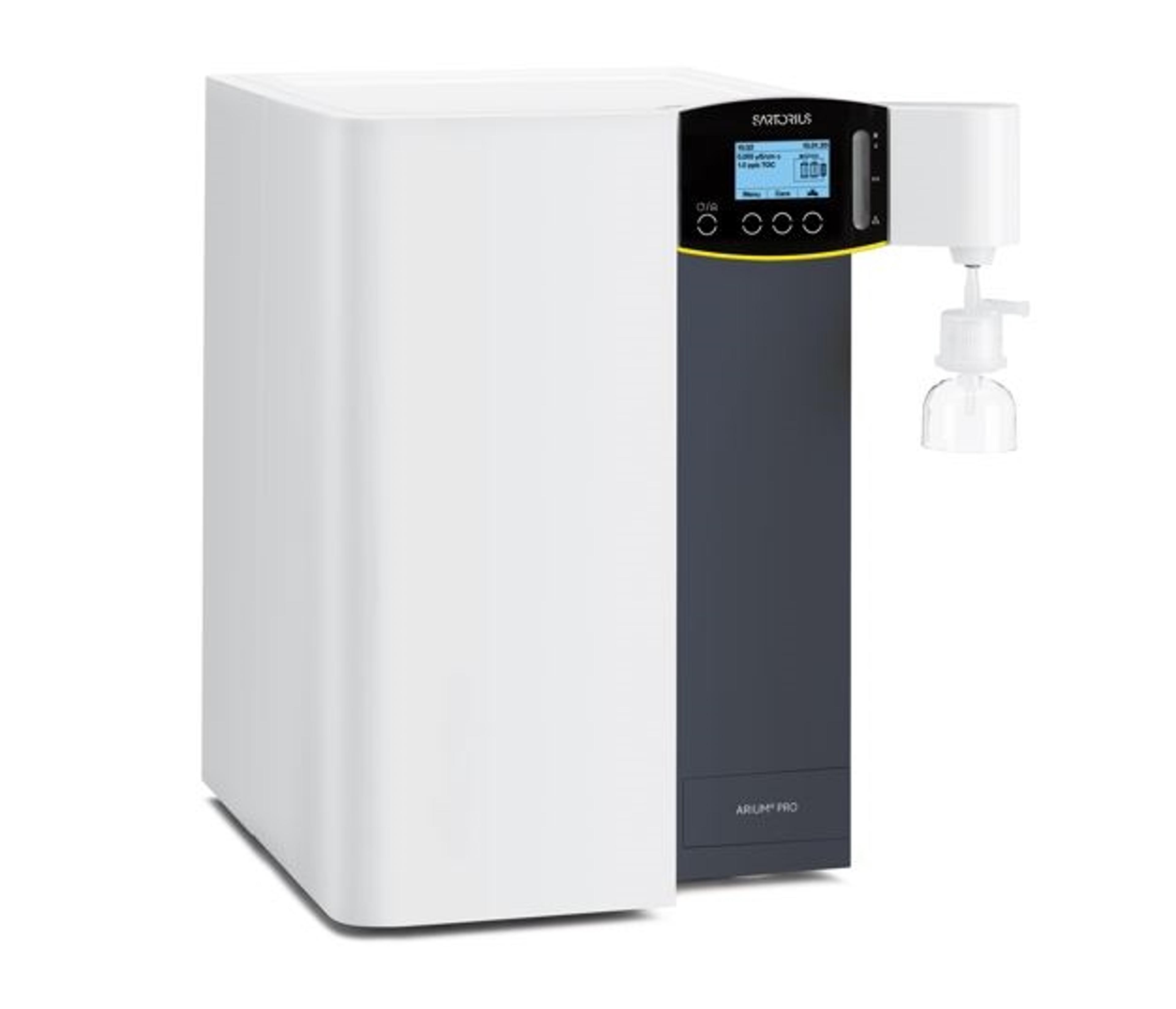
With a floor space of 240 square meters, or 2600 square feet, the new application center offers ample room for product demonstrations, trial runs and training sessions. At this center, customers from the biopharmaceutical industry can now test the latest Sartorius products for cell cultivation, media and buffer preparation, sterile filtration, cross-flow purification, membrane chromatography, virus clearance and aseptic processing. For laboratory customers, Sartorius showcases its entire range of lab instruments and consumables from balances, moisture analyzers, pipettes and water purification systems to filters and products for microbiological testing and quality control.

In his speech, Michael Melingo, member of the Sartorius Group Executive Committee and in charge of marketing, sales and services of Sartorius’ lab business, underlined the importance of Shanghai as a strategic and geographical hub for Sartorius in Asia. “Located close to our customers’ R&D centers in Shanghai and other biotech hotspots like Seoul, Tokyo and Singapore, our application center is the place to be for top scientists to talk about the latest industrial and technological trends.” With the substantial investment in this new application center, Sartorius has further extended its footprint in Asia.

Dr. Jörg Lindenblatt, the Senior Vice President of Sales Asia/Pacific for Bioprocess Solutions, emphasized the practical approach of the application center. “Our application center is not just a showroom for our extensive range of lab and bioprocess products. We invite our customers to gain hands-on experience with our technologies during training and demonstration. By doing this, we can demonstrate the benefits of the high degree of seamless integration of the newest state-of-the-art technology for biotech manufacturing.” Besides being used for demonstration purposes, the new application center will serve as training facility for customers, distributors and staff.
Links

Tags

Cell Adhesion AssaysCell adhesion assays are used to quantitate attachment and analyze the molecular mechanisms for extracellular matrix adhesion, cell migration and sensitivity to inhibitors. Find the best cell adhesion assay equipment in our peer-reviewed product directory: compare products, check customer reviews and receive pricing direct from manufacturers.Cell / Tissue CultureCell culture or tissue culture is used to study the biology of cells or tissues and to isolate cellular products in an environment which can be manipulated and well defined. Accurately control your culture environment with bioreactors or culture incubators, bind your cells to a surface or together with an extracellular matrix. Distinguish cell types with differential media or proliferate cells with certain characteristics using selective media. Enrich your media with supplements such as growth factors, sera and vitamins. Find the best cell and tissue culture products, kits and equipment in our peer-reviewed product directory: compare products, check customer reviews and receive pricing direct from manufacturers.Balances and Moisture AnalyzersBalances & Moisture Analyzers / weighing scales measure static or dynamic loads. Features to consider when choosing an analytical balance include accuracy, capacity and resolution. Additional features and specialized balances include enclosures for weighing powder, microbalances for measuring small quantities, portable balances, moisture analyzers, top loading balances and internal calibration for measurements over time or with varied temperature.Cell Lines Stem Cells and Primary CellsPrimary cell cultures, established cell lines and stem cells are vital for <i>in vitro</i> and <i>ex vivo</i> experimentation. High-quality cells, optimized for your applications, alongside optimized cell substrates, growth medium and supplements, are critical for experimental success. Explore a range of cells suitable for your applications, including isogenic cell lines, competent cells, induced pluripotent stem cell (iPSC)-derived cell lines, fungal/bacterial/mammalian cell lines, stem cells and cancer cell lines. Find the best cells for your research in our peer-reviewed product directory: compare products, check customer reviews and receive pricing direct from manufacturers.FiltrationFiltration and microfiltration are used to separate solids, particulates or large molecules from fluids (liquid or gases) in order to purify the filtrate. Explore a range of filter formats, including filter paper, plates and membranes for your separation needs. While larger particulates may be separated by gravity filtration, smaller particulates may require additional force for timely separation. Microfiltration equipment includes vacuum filters, as well as positive pressure, crossflow and centrifugal filtration devices. Find the best filtration products in our peer-reviewed product directory: compare products, check customer reviews and receive pricing direct from manufacturers.Pipettes and DispensersPipettes and dispensers are essential lab equipment used to dispense measured volumes of liquid accurately. Explore a range of manual and electronic pipettes, including single and multichannel, serological and volumetric pipettes, as well as a range of pipette tips. Bottle-top dispensers are also available for simple and fast solvent dispensing. Find the best pipettes & dispensers in our peer-reviewed product directory: compare products, check customer reviews and receive pricing direct from manufacturers.Labware and Lab SuppliesLabware and lab supplies include various forms of glassware, plasticware, reagents and personal protective equipment (PPE) and are used across all scientific laboratories, enabling daily tasks to be performed. Explore a range of flasks and beakers, petri dishes, carboys and storage bottles. Labware such as condensers, desiccators and burettes are also available for more specific tasks. Find the best labware and lab supplies in our peer-reviewed product directory: compare products, check customer reviews and receive pricing direct from manufacturers.MicrobiologyMicrobiology is the study of microorganisms including protists, prokaryotes, fungi, and, often, viruses. Microorganisms are a useful research tool as genetic vectors and, in immunology, for antibiotic susceptibility testing, cellular biology and genetics. Microorganisms commonly grow readily in incubators with microbial culture media; this can contain chromogenic supplements to differentiate between cell lines. Estimate your culture’s density of microorganisms with colony counters, or screen and select colonies for desirable clones with automated colony pickers. Additionally, equipment is available to monitor environments for the presence of microbes and identify with microbial identification instruments. Find the best microbiology products in our peer-reviewed product directory: compare products, check customer reviews and receive pricing direct from manufacturers.Cell-Based AssaysCell-based assays are used to monitor the presence, quantity and activities of a desired cellular analyte including drug molecules or biomarkers. This can reveal information on cell health (apoptosis, cytotoxicity, viability and proliferation assays), cell metabolism, cell migration and cell signaling mechanisms. Find the best cell-based assay products, kits and equipment with our peer reviewed product directory: compare products, check customer reviews and receiving pricing direct from manufacturers.Water PurificationThere are a number of water purification methods available to remove contamination from laboratory water. These systems include demineralization, reverse osmosis, filtration and ultrafiltration. A combination of methods is sometimes necessary to achieve purified water suitable for use in experiments.Bioprocessing / FermentationBioprocessing is the use of biological materials to perform commercial, scientific or medical research processes. Biological materials used include cells, enzymes and organisms. Usually bioprocessing requires a batch or continuous bioreactor such as a fermentor or cell culture system. The advantages of using a reactor include high productivity, easy configuration, adjustable values and automation.BiopharmaceuticalsBiopharmaceuticals are proteins and other compounds (such as nucleic acids) produced by living organisms that have uses as therapeutics or for in vivo diagnostics. The most well known example of a biopharmaceutical product, and the first to be approved for therapeutic use, was recombinant human insulin.
Sartorius Opens New Application Center in Shanghai