
Saliva-based open-source tests for COVID-19: How saliva sampling improves compliance, saves costs, and relieves the strained supply chain
A microbiologist at Yale University decided to test saliva samples for COVID-19 detection, and it resulted in a widely used, cost-effective, and accessible test for the public
15 Feb 2022
Editorial article
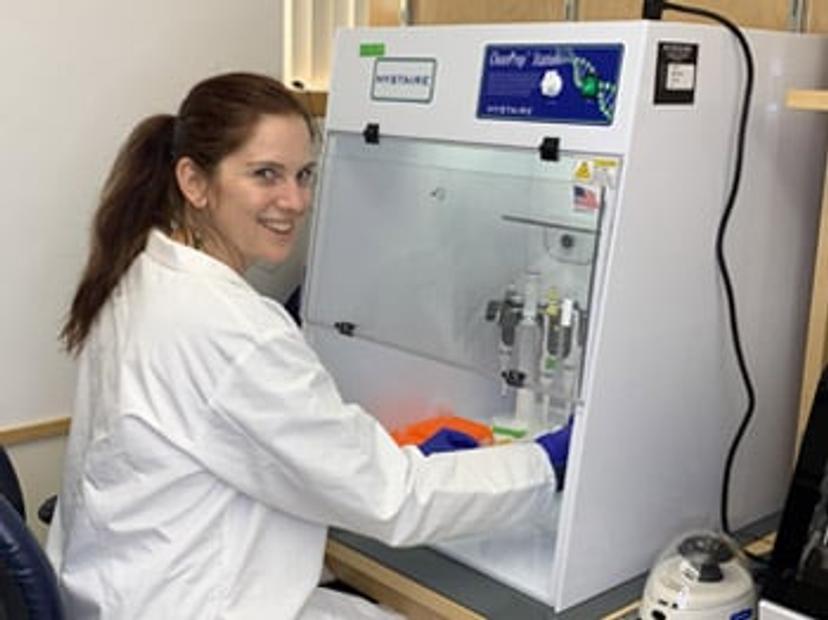
Back in 2020, a multidisciplinary research group at Yale School of Public Health had originally set out to study the disease progression of the novel coronavirus. But soon enough, they developed a widely used, cheaper, and open-access protocol for COVID-19 testing using saliva samples.
Here, we speak with Dr. Anne Wyllie, a microbiologist at Yale School of Public Health who spearheaded saliva-based testing for SARS-CoV-2 and came to be fondly known in the media as the ‘Spit Queen’.
Using saliva samples for COVID-19 testing
The idea to use saliva as a sample type for SARS-CoV-2 testing came at the peak of the pandemic when swabs were in short supply due to high demands.
In early 2020, in response to the growing pandemic, Yale University set up the Yale IMPACT biorepository, a collaborative research group comprising scientists and medical professionals. One of the early objectives of this group was to collect samples from COVID-19 inpatients and asymptomatic healthcare workers to better understand disease progression. At the time, samples were collected using nasopharyngeal swabs.
Swabbing the nasopharynx is unpleasant, so requesting individuals to volunteer a second swab for research purposes after enduring one for diagnostic purposes was met with resistance. Moreover, within weeks, there was a global shortage of swabs. As the next best approach for the research group, Wyllie had an idea.
“I wondered if saliva sampling could help us overcome many of these challenges, knowing that it can be self-collected and that people would be more willing to provide samples,” Wyllie shares. “I had been working with saliva as a sample type for about 10 years and had primarily focused on bacterial detection.” In fact, Wyllie’s Ph.D. thesis identified that saliva sampling is more sensitive for the detection of pneumococcus bacteria compared to nasopharyngeal swabs. “But this was a virus,” she continues. “Luckily, my team was supportive and decided to include it in the studies.” Soon after, a study was set up comparing SARS-CoV-2 RNA detection in saliva samples versus nasopharyngeal swabs.
Initial traction, development, and getting authorized by the FDA
Within the first few weeks of the study, the team noticed that saliva samples were indeed performing well compared to nasopharyngeal swabs for COVID-19 detection. By the end of April 2020, a preprint publication was released detailing these findings, demonstrating the potential of saliva sampling for repeat testing and population screening.
“We knew that swabs were not ideal for repeat tests. Moreover, nasal swabs were already historically known to be less sensitive for virus detection compared to nasopharyngeal swabs,” explains Wyllie. “The fact that we identified saliva as a good – if not better – sample type made us want to develop a test that was cost-effective and accessible to the public.”
Dr. Anne Wyllie, Orchid Allicock, Pari Waghela and Noel Vega have worked tirelessly to develop saliva-based testing for SARS-CoV-2
“We then started working on SalivaDirect™ with the idea that if we could remove the RNA extraction step and go directly to PCR, we can take out most of the expensive reagents to streamline the process,” says Wyllie. “Experts would later describe it as a high school biology protocol… it was that easy.”
During this time, the Yale team also received support from various external partners, including the National Basketball Association (NBA), in the effort to develop accessible, affordable testing options for the general public, especially when test prices were soaring. Upon refining the protocol for SalivaDirect, it was submitted to the FDA for Emergency Use Authorization (EUA). Working in close collaboration with the FDA reviewers, this protocol was then made publicly available to any clinical laboratory in the US looking for COVID-19 testing options.
Affordable, cost-effective, and open-source protocol for COVID-19 testing
The objective of SalivaDirect was to equip US clinical laboratories with a fast and simple method to perform COVID-19 tests. In addition to bypassing RNA extraction, the method was adaptable to existing workflows and used common reagents routinely found in clinical labs. “We wanted labs to be able to use what they already had,” says Wyllie “We didn't want them to buy specialized pieces of equipment or invest in infrastructure because those costs only get passed on to the patient.” Currently, over 165 designated laboratories across 41 states use SalivaDirect, and more than 3.5 million tests have been completed.
In the spirit of keeping the protocol open source, the SalivaDirect team has now validated the method with different reagents and PCR instruments to cover all possible scenarios in clinical laboratories. Each time a new reagent or instrument is tested, the EUA is amended. “We want to proactively add more redundancy to our COVID-19 testing protocols and have different alternatives to continue testing,” explains Wyllie. “This way, we’re not putting pressure on our supply chain.”
When new COVID-19 variants appear, the team gets back to work, testing the protocol for potential modifications. This time, however, the collaborative efforts are spread across the growing network of 165+ laboratories, each keeping in touch with the Yale team and proposing updates.
Authorized laboratories are now also offering at-home and direct-to-consumer kits that use the SalivaDirect protocol. The self-collecting aspect of saliva sampling that requires no supervision has made it easier for asymptomatic individuals to get tested without having to schedule an appointment or wait in long lines for swab-based tests.
Saliva as a sample source for testing other viruses
The success of testing COVID-19 with saliva samples has now opened doors to expand the protocol to other respiratory viruses. “In the future, SalivaDirect can be applied for testing influenza or respiratory syncytial virus (RSV) infections, both commonly seen during the flu season,” says Wyllie. “It’s even possible to have a multi-pathogen panel that tests individuals with flu-like symptoms for different viral infections at once using only saliva samples.”
Related products
Request Quote for All Products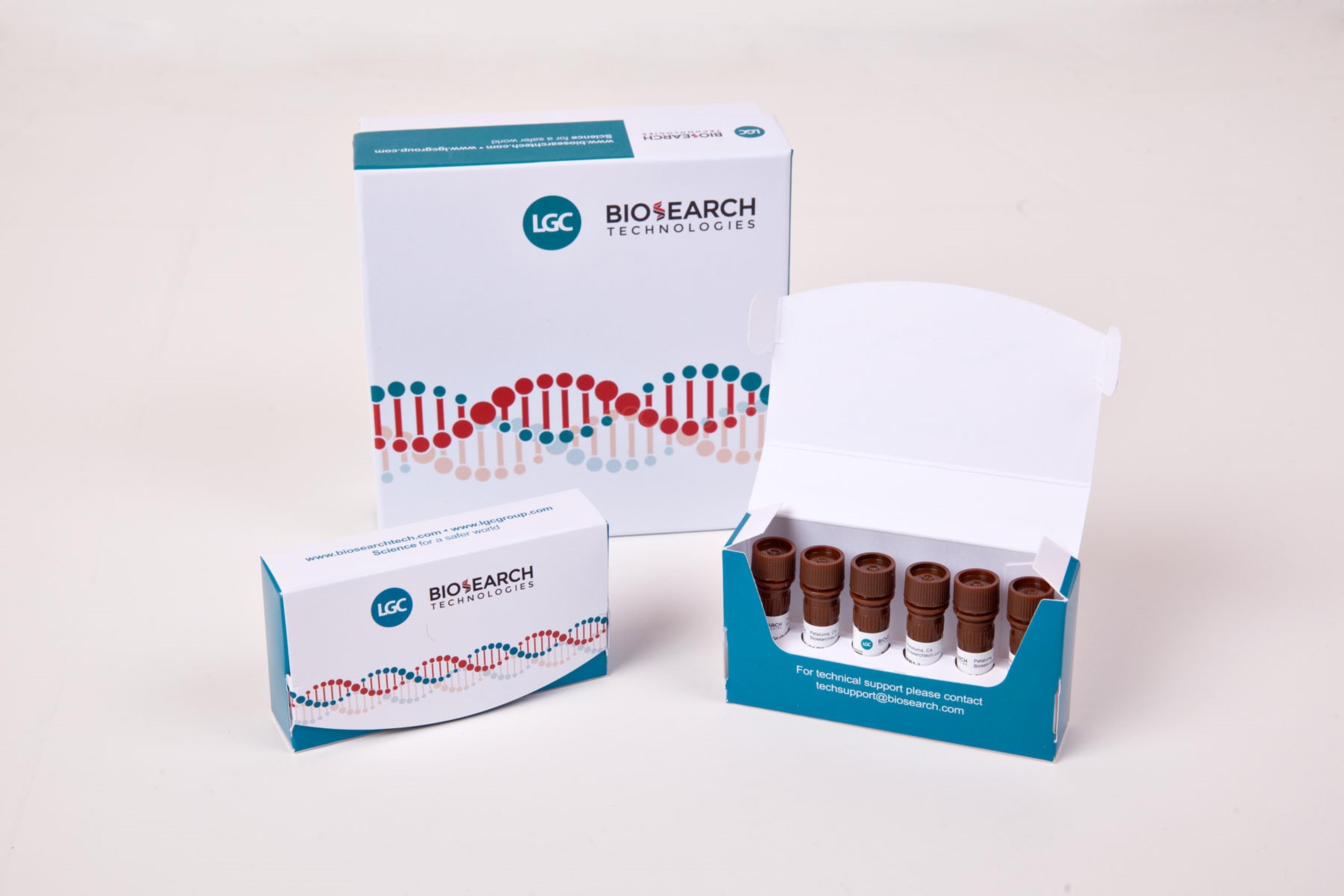
Yale 2019-nCoV SalivaDirect ValuPanel Reagents
LGC Diagnostics and Genomics - Lucigen Reagent ComponentsThe Yale 2019-nCoV SalivaDirect™ ValuPanel Reagents™ include FAM-BHQ and Quasar™ 670-BHQ probes and primers delivered in individual tubes in dried format.
Custom oligos
LGC Diagnostics and Genomics - Biosearch Technologies Oligo-SynthesisCustom design your oligonucleotide according to your specifications. Our probes and primers are manufactured at unmatched quality under ISO 9001 and 13485 compliance. Whether you need RUO or GMP grade oligos, choose from a vast selection of modifications to customize your oligos for your application.