Safeguarding organoids through lockdown

Internationally renowned Hans Clevers Lab reports using AMSBIO’s CELLBANKER reagent to freeze down their organoids ahead of the COVID-19 spring lockdown

13 Nov 2020
Tom Casburn
Associate Editor

Industry news

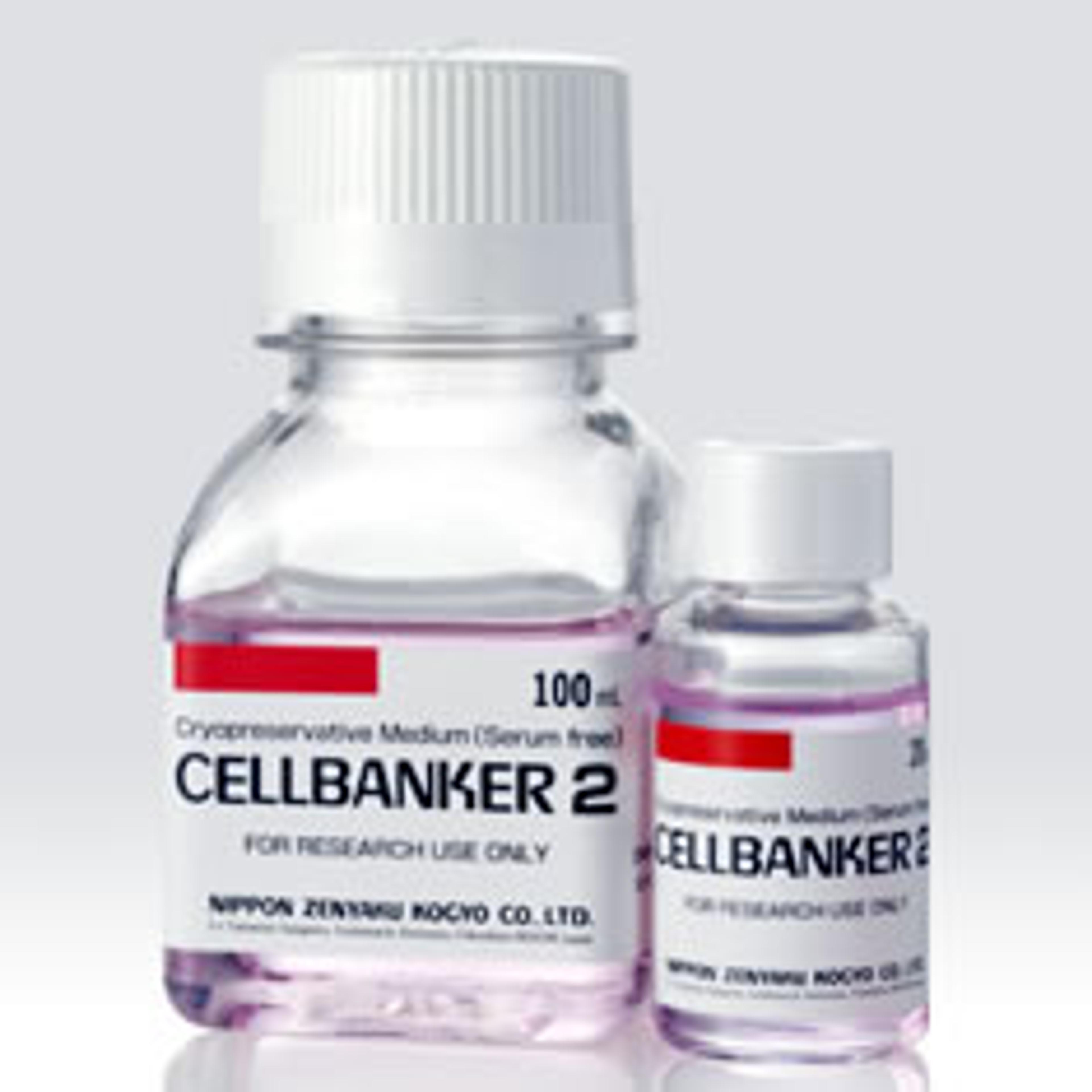
AMSBIO reports how the internationally renowned Hans Clevers Lab at the Hubrecht Institute, Netherlands used their CELLBANKER® reagent when they needed to freeze down their organoids at short notice ahead of the COVID-19 spring lockdown.

As COVID-19 cases continue to rise, public health orders and advisories have forced many scientists to freeze down their experiments, to keep them safe while they are kept away from their laboratories.

AMSBIO’s CELLBANKER® and STEM-CELLBANKER® freezing solutions provide a simple and economical solution in such emergencies, as well as for routine archiving – they can even be used to cryopreserve cultured cells, organoids or other 3D structures in situ in the original culture plate.

Jelte van der Vaart, a Ph.D. researcher in the Hans Clevers Lab commented about the ease of freezing their valuable organoids with CELLBANKER®. He said "Historically our lab had always used the FBS/DMSO-based freezing method to preserve our organoids. However, this methodology not only is very time consuming but also requires transfer by slow cooling to -80°C to liquid nitrogen. On the day of the lockdown, myself and some other researchers froze our organoids down for the first time in CELLBANKER®. The procedure was a lot easier and faster since I could simply transfer the organoids in CELLBANKER® to the freezer immediately. This beneficially also solved the limited availability of Mr. Frosty’s which was a problem because we all had to freeze down lines at the same time. When we were able to return to our lab after the lockdown, the organoids looked similar after thawing to standard freezing methods and could be easily retrieved from personal drawers instead of shared Mr. Frosty drawers. CELLBANKER® genuinely improved the process of freezing and safely preserving our organoids when going into lockdown".

Do you use AMSBIO products in your lab? Write a review today for your chance to win a $400 Amazon Gift Card>>

Links

Tags

Cell / Tissue CultureCell culture or tissue culture is used to study the biology of cells or tissues and to isolate cellular products in an environment which can be manipulated and well defined. Accurately control your culture environment with bioreactors or culture incubators, bind your cells to a surface or together with an extracellular matrix. Distinguish cell types with differential media or proliferate cells with certain characteristics using selective media. Enrich your media with supplements such as growth factors, sera and vitamins. Find the best cell and tissue culture products, kits and equipment in our peer-reviewed product directory: compare products, check customer reviews and receive pricing direct from manufacturers.Cell Lines Stem Cells and Primary CellsPrimary cell cultures, established cell lines and stem cells are vital for <i>in vitro</i> and <i>ex vivo</i> experimentation. High-quality cells, optimized for your applications, alongside optimized cell substrates, growth medium and supplements, are critical for experimental success. Explore a range of cells suitable for your applications, including isogenic cell lines, competent cells, induced pluripotent stem cell (iPSC)-derived cell lines, fungal/bacterial/mammalian cell lines, stem cells and cancer cell lines. Find the best cells for your research in our peer-reviewed product directory: compare products, check customer reviews and receive pricing direct from manufacturers.Refrigerators Freezers and CryogenicsRefrigerators, Freezers & Cryogenics can be used for preservation or experimental purposes. Types of freezers include deep freeze, -80C°C, ultra-low temperature, explosion proof, cryogenic and controlled rate freezers. Freezing is also used in freeze-drying equipment for dehydration processes. Feature to consider in freezers include temperature control and recorders, failure alarms and self-closing mechanisms.CryopreservationCovid-19COVID-19, caused by the SARS-CoV-2 virus, has led to a global health crisis with profound impacts on societies and economies. Research into diagnostics, vaccines, treatments, and understanding viral mechanisms continues to evolve. The pandemic has accelerated innovations in healthcare and biopharmaceuticals, including novel vaccine platforms and rapid testing technologies. Browse our peer-reviewed product directory to find top COVID-19 testing kits, research tools, vaccines, and treatments, compare products, read reviews, and receive direct pricing from manufacturers.