
Roche receives FDA approval for CINtec PLUS Cytology test to aid clinicians in improving cervical cancer prevention
New indication allows this first FDA-approved biomarker-based test to be used as triage for positive cobas HPV tests run on cobas 6800/8800 Systems in primary screening or co-testing programs
15 Sept 2020
Industry news
Roche has announced U.S. Food and Drug Administration (FDA) approval for the expanded use of CINtec® PLUS Cytology, the first triage test based on biomarker technology for women whose cervical cancer screening results are positive for high-risk types of human papillomavirus (HPV). Additional information from this test supports clinical decisions about which women will benefit most from immediate follow-up. Laboratories can now use CINtec PLUS Cytology to triage positive results from the cobas® HPV Test run on the fully integrated, automated and high-throughput cobas® 6800/8800 Systems.
High-risk HPV is the principal cause of cervical cancer, which is one of the most common cancers in women globally. The World Health Organization has set goals for countries to take action to eliminate cervical cancer by 2030.
“With our portfolio of cervical cancer tests and automated testing platforms, we are committed to providing clinicians and laboratories with the best tools possible to protect women’s health,” said Thomas Schinecker, CEO Roche Diagnostics. “This expanded indication for CINtec PLUS Cytology gives laboratories the flexibility to triage cobas HPV test results on their choice of cobas® Systems and deliver accuracy needed to reliably detect HPV infections that are starting to cause cellular changes that could lead to cancer. The biomarker information helps to clarify a woman’s risk of disease, reduce the potential for over- or under-treatment, and is a major step forward in individualising a woman’s care.”
HPV DNA screening identifies women at risk for cervical cancer by detecting the presence of high-risk HPV DNA in cervical samples. While most HPV infections resolve on their own, some women who test positive for the virus, or whose co-testing results are discrepant (HPV positive/Pap cytology negative), may have or may develop pre-cancerous cervical lesions. These lesions could progress to cervical cancer if left untreated.
About human papillomavirus and cervical cancer
Persistent infection with high-risk human papillomavirus (HPV) is the principal cause of cervical cancer in women, with HPV implicated in greater than 99 percent of cervical cancers worldwide. Cervical cancer is nearly 100 percent preventable with proper HPV vaccination, screening and treatment; expanding access helps reach more women in underserved communities where the disease burden is highest. It can take 10 to 15 years or longer for cervical cancer to develop, so knowing a woman’s individual risk and finding disease early, before cancer develops, is an important prevention strategy.
About 13,800 new cases of invasive cervical cancer will be diagnosed in the U.S. in 2020, according to the American Cancer Society, and about 4,290 women will die from the disease this year. Globally, the World Health Organization estimates there are more than 570,000 new cases of cervical cancer annually, and 311,000 deaths. Learn more about the Roche Cervical Cancer Global Access Program.
About CINtec PLUS Cytology
The CINtec PLUS Cytology test detects the simultaneous presence within a single cell of the two biomarkers -- p16 and Ki-67. This abnormality is associated with HPV infections that are transforming and can, if left untreated, progress to pre-cancer or cancer. A positive result of these two biomarkers in a single cell signals that a woman is more significantly at risk for disease. The ability of CINtec PLUS Cytology to distinguish those women who are at higher risk for cervical disease provides labs, physicians and women, in conjunction with the clinician’s assessment of patient screening history, other risk factors, and professional guidelines information, to guide patient management. Women with negative dual stain results are at significantly lower risk for cervical disease and their bodies can be given more time to clear HPV infection on their own. This could reduce the number and frequency of follow-up visits, saving some patients worry and time.
The CINtec PLUS Cytology test, which runs on the BenchMark ULTRA IHC/ISH system, is performed using the same sample that is used for HPV or liquid-based Pap cytology tests. This eliminates the need for additional or repeat sample collection or time spent waiting to find out if an infection is clearing.
For U.S. approval, the FDA considered data from the Roche-sponsored registrational IMPACT (IMproving Primary screening And Colposcopy Triage) trial, which enrolled approximately 35,000 women in the U.S. to clinically validate CINtec PLUS Cytology as a triage test in various screening scenarios. This latest expanded use approval gives laboratories access to the complete Roche Cervical Cancer Portfolio offering in the U.S., which includes the cobas HPV Test, CINtec PLUS Cytology and CINtec Histology. Depending on their workflow needs, labs now have the choice to fully automate their highest volume assays and utilise biomarker technology to offer more advanced, next-generation cytology solutions. Publication of the full IMPACT study findings is pending.
Prior to FDA approvals for its use for the triage of women who are HPV positive using the cobas HPV Test on the cobas® 4800 or cobas 6800/8800 Systems, the CINtec PLUS Cytology CE-IVD test had been used as a triage test for HPV-positive results and mildly abnormal Pap cytology results in Europe, Asia, South America, Canada and Australia.
About the Roche Cervical Cancer Portfolio
The Roche Cervical Cancer Portfolio enables healthcare professionals to screen, triage and diagnose women, based on the confidence and clarity of results across a continuum of patient care. The unique combination of molecular, cellular cytology and tissue-based tests provides healthcare professionals powerful information to make patient care decisions and minimise unnecessary treatment. Along with cobas HPV for screening, and CINtec PLUS Cytology, CINtec Histology is used as an aid to confirm the presence of cervical disease in women who have had a tissue biopsy. CINtec Histology is the only FDA-cleared test that uses the p16 biomarker for a more conclusive diagnosis to provide distinctive visual confirmation of precancerous cervical lesions that may be missed by hematoxylin and eosin (H&E) interpretation alone. Like CINtec PLUS Cytology, CINtec Histology is also fully automated on the BenchMark IHC/ISH instruments.
Do you use Roche products in your lab? Write a review today for your chance to win a $400 Amazon gift card>>
Related products
Request Quote for All Products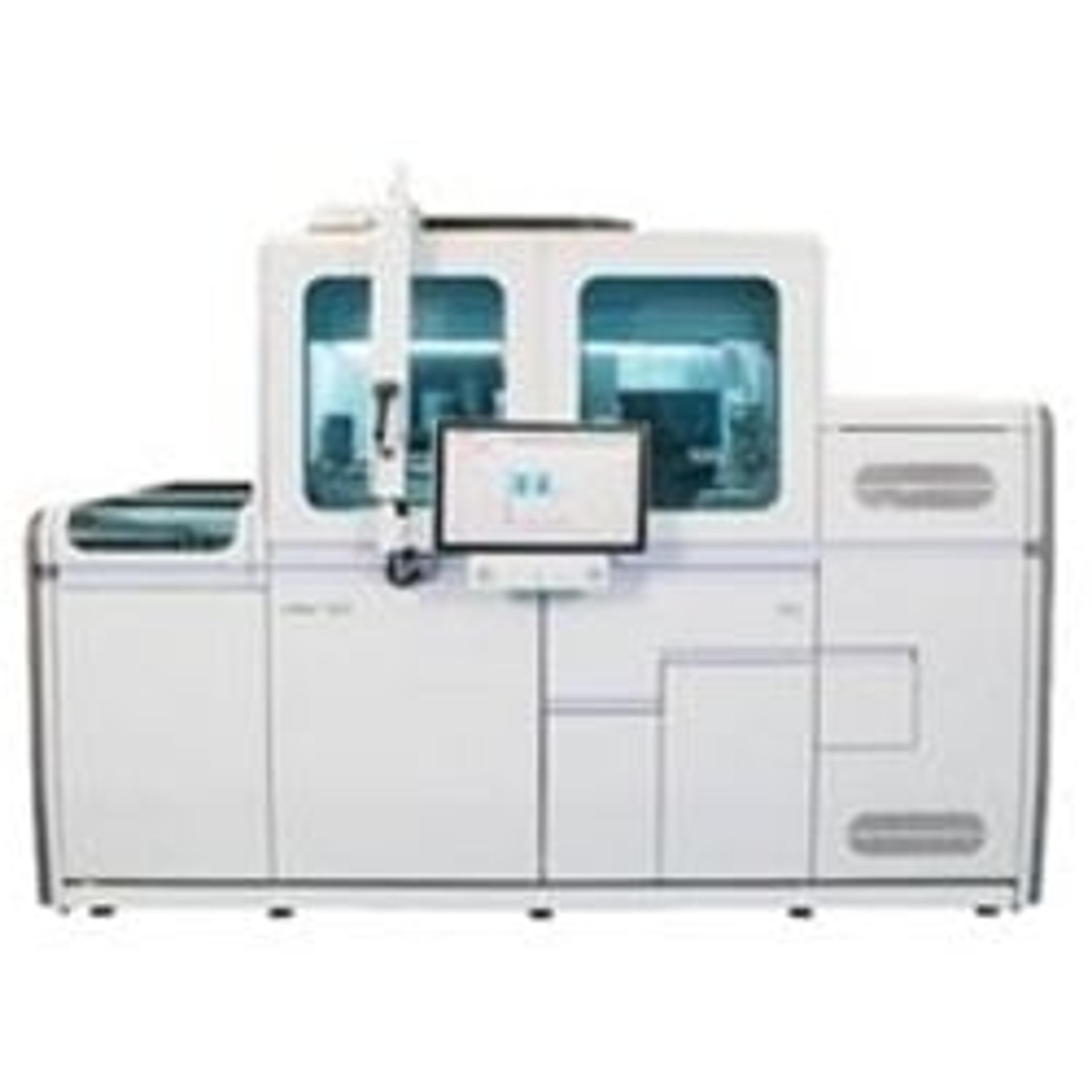
cobas® HPV
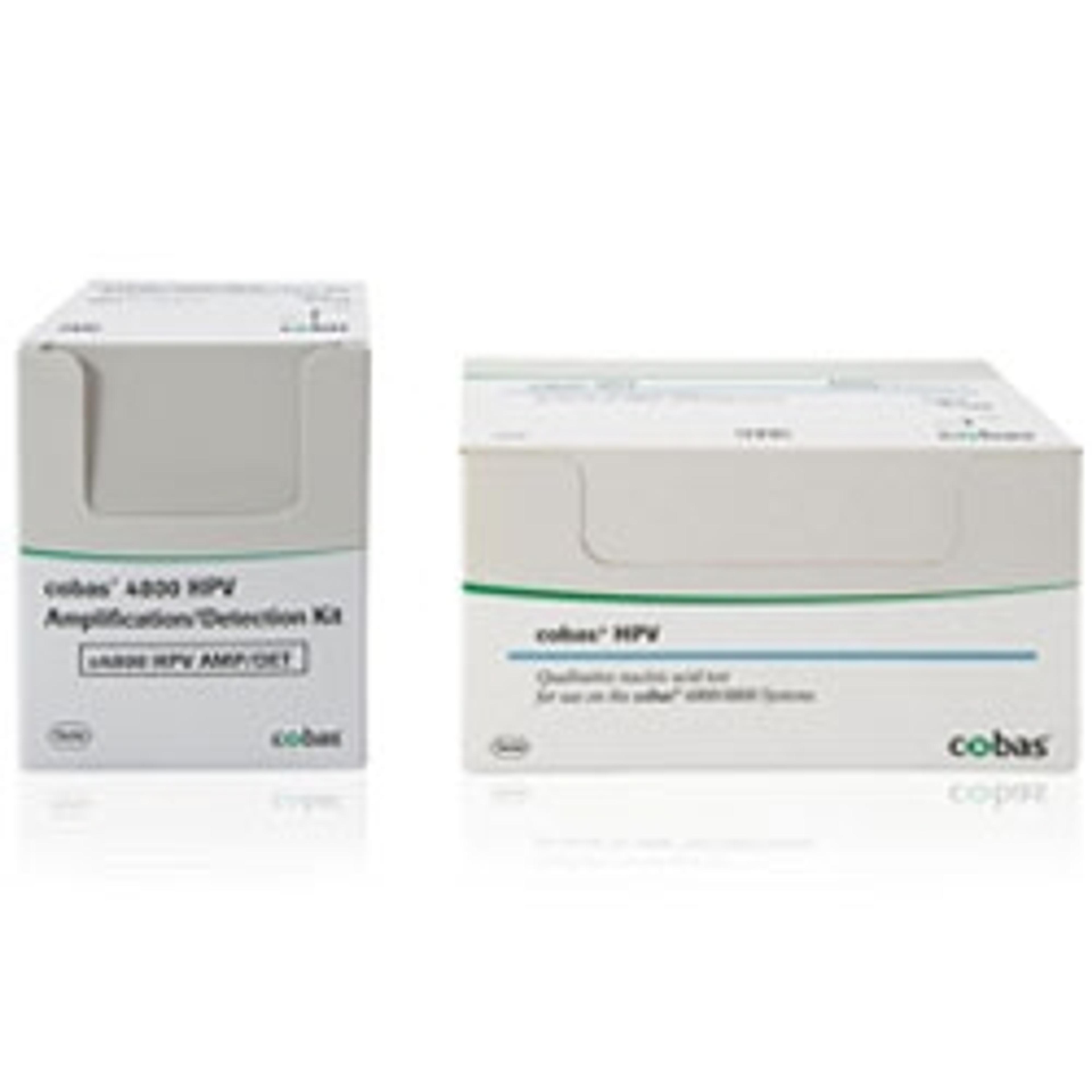
The cobas® HPV tests are an automated qualitative in vitro test for the detection of human papillomavirus (HPV) DNA in patient specimens. The tests utilize amplification of target DNA by the Polymerase Chain Reaction (PCR) and nucleic acid hybridization for the detection of 14 high-risk HPV (hrHPV) types in a single analysis.