Roche develops new serology test to detect COVID-19 antibodies

The detection of these antibodies could help indicate if a person has gained immunity against the virus and inform treatment decisions

16 Apr 2020

Diane Li
Assistant Editor

Industry news

Roche has announced the development and upcoming launch of its Elecsys® Anti-SARS-CoV-2 serology test to detect antibodies in people who have been exposed to the Severe Acute Respiratory Syndrome Coronavirus 2 (SARS-CoV-2) that causes the COVID-19 disease.

Antibody testing is central to help identify people who have been infected by the virus, especially those who may have been infected but did not display symptoms. Additionally, the test can support priority screening of high risk groups, such as healthcare workers, food supply workers who might already have developed a certain level of immunity and can continue serving and/or return to work. Once we understand more about the immunity of COVID-19, it could also help society return faster to normality.

Severin Schwan, CEO Roche Group: “Following the launch of our high-volume PCR test in mid-March to detect active infection of the disease, we are now going to launch a new antibody test in early May. Every reliable test on the market serves its purpose for healthcare systems to help us overcome this pandemic. Roche is collaborating closely with health authorities and ramping up production to ensure fast availability of the test globally.”

“Roche is deeply committed to supporting the global response to the COVID-19 pandemic,” said Thomas Schinecker, CEO Roche Diagnostics. "Timely availability and fast access to reliable, high quality tests are essential for healthcare systems. The antibody test is an important next step in the fight against COVID-19. Roche’s antibody test can be quickly scaled and made broadly available around the world as our instrument infrastructure is already in place.”

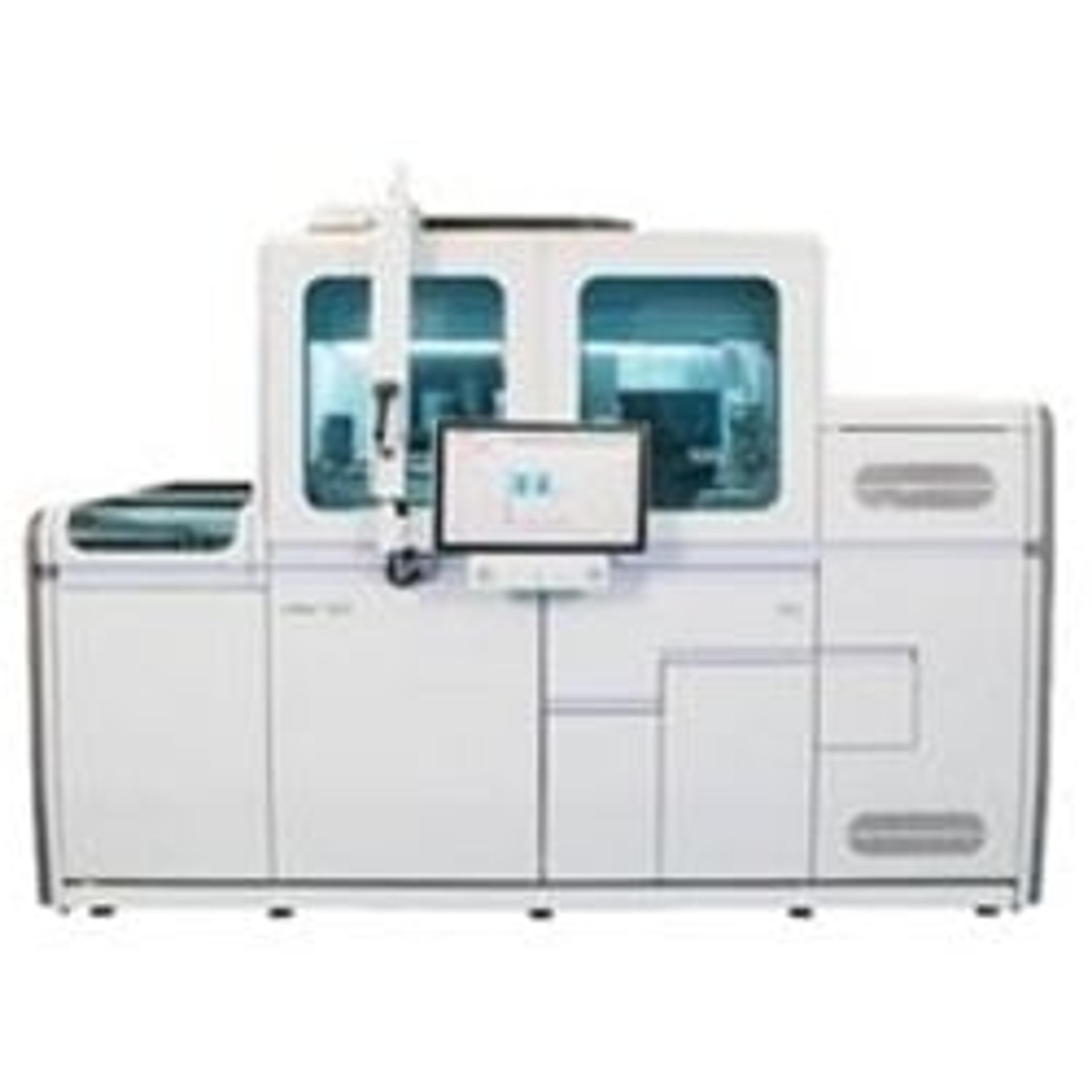
The Elecsys Anti-SARS-CoV-2 immunoassay is an in vitro test, using human serum and plasma drawn from a blood sample, to detect antibodies and determine the body’s immune reaction to SARS-CoV-2. The test may be used in epidemiological research to help better understand the spread of the disease and may also be used together with molecular tests to aid in the diagnosis of suspected COVID-19 patients. Hospitals and reference laboratories can run the test on Roche’s cobas e analysers, which are widely available in laboratories around the world.

Roche aims to have the antibody test available by early May in countries accepting the CE mark and is actively working with the FDA for an Emergency Use Authorisation. Roche is planning on an accelerated ramp up of monthly production to high double-digit million tests by June and will further scale up production as fast as possible.

About SARS-CoV-2 (coronavirus)

Coronaviruses (CoV) are a large family of viruses that cause illness ranging from the common cold to more severe diseases such as Middle East Respiratory Syndrome (MERS-CoV) and Severe Acute Respiratory Syndrome (SARS-CoV). The novel coronavirus (SARS-CoV-2) is a new strain which has not previously been identified in humans.

Signs of infection include respiratory symptoms such as cough, shortness of breath, difficulty breathing, and fever. In more severe cases, pneumonia, severe acute respiratory syndrome, kidney failure and death can occur.

To control the spread of the infection, the World Health Organisation (WHO) recommends regular hand washing, covering mouth and nose when coughing and sneezing, thoroughly cooking meat and eggs and avoiding close contact with anyone showing symptoms of respiratory illness.

About Elecsys Anti-SARS-CoV-2 serology test

Elecsys® Anti-SARS-CoV-2 is an immunoassay for the in vitro detection of antibodies (including IgG) to Severe Acute Respiratory Syndrome Coronavirus 2 (SARS-CoV-2) in human serum and plasma. Through a blood sample, the test can detect antibodies to the coronavirus, which could signal whether a person has been already infected and potentially developed immunity to the virus. Hospitals and reference laboratories can run the test on Roche’s cobas e analyzers which are widely available around the world. These fully-automated systems can provide SARS-CoV-2 test results in approximately 18 minutes, with a test throughput of up to 300 tests/hour, depending on the analyzer.

Want more of the latest science news straight to your inbox? Become a member of SelectScience for free today>>
Tags

AntibodiesAntibodies are used in techniques such as confocal and fluorescence microscopy, flow cytometry, ELISA, ELISPOT, immunohistochemistry, western blotting and immunopreciptation. Select specific antigen reactivity, high specific affinity, low non-specific binding, monoclonal or polyclonal, primary or secondary antibodies and associated conjugates such as an enzyme or dye for visualization.PCR and Thermal CyclingPolymerase chain reaction (PCR) kits and thermal cyclers are used for the in vitro amplification of DNA permitting subsequent analysis and experimental procedures. Explore a range of high-quality polymerase, primers and nucleotides or simplify your workflow with a PCR mastermix. Find reverse transcription PCR (RT-PCR) and cDNA synthesis kits for RNA products and libraries. Quantitatively measure the amplification of DNA with real-time PCR (qPCR) and droplet digital PCR (ddPCR) kits and systems, and discover automated PCR setup solutions to increase throughput. Alternative DNA amplification methods also include recombinase polymerase amplification (RPA) kits. Find the best PCR kits and thermal cyclers and purification equipment in our peer-reviewed product directory: compare products, check customer reviews and receive pricing direct from manufacturers.Blood TransfusionBlood Transfusion involves giving donor blood to a recipient patient. Screening is essential to avoid transfusion reactions. Blood banks use immunohematological techniques to determine rh and ABO blood group, and screen for antibodies using specific antisera. Blood Banks use Direct Coombs Tests (DCT) and Indirect Coombs Tests (IAT) to detect hemolysis and Haemolytic Disease of the Newborn (HDN).ImmunologyImmunological techniques measure and characterize immune responses. Immunology kits and analysis systems often use techniques such as ELISA, radioimmunoassay (RIA) and immunodiffusion assays, Immunohistochemistry, and flow cytometry. Immunologists use equipment such as flow Cytometers, plate readers, plate washers and fluorescent microscopes.Cellular PathologyCellular Pathology deals with the microscopic analysis of tissue samples and cells. Sample preparation and processing includes fixation, staining, sectioning and slide mounting, using equipment such microtomes and cryostats. In choosing immunohistochemistry and immunocytochemistry kits, consider chromogens, staining method, antibodies, microscopes and imaging.Biopharmaceutical AdvancesBiopharmaceutical advances follow the development of pharmaceuticals derived from biotechnology, also known as biotechnology medicines. Biopharmaceuticals may be produced from cell lines, plants, or microbial cells. Important considerations of biopharmaceutical use include application, cost, production process and purification.Clinical TrialsClinical Trials, an essential part of drug discovery process, assess the safety and effectiveness of a new medication or device in the pharmaceutical industry. Clinical Trials are a phased process (Phase 0, Phase I, Phase II, Phase III and Phase IV) which begins after initial preclinical testing.Clinical ChemistryBiochemistry (or clinical chemistry) involves the analysis of bodily fluids using chemical tests. Techniques used include HPLC, chromatography, spectroscopy, mass spectrometry, immunochemical, electrophoresis, turbidometric / spectrophotometric assay, MRI and ISE analysis. Tests are often carried out on plasma or serum but urine (urinalysis) and fecal specimens are also processed.Clinical GeneticsMolecular Genetics covers the analysis of hereditary genetic disease and chromosomal abnormalities. Genetics can be analysed using DNA, RNA, and protein microarrays, PCR, RT PCR and DNA sequencing. Genetic equipment includes genetic workstations, thermal cyclers, cooling blocks and electrophoresis products. Diagnostic kits are used for DNA / RNA extraction and purification.Scale-upScale-Up is generally defined as the process of transferring the results of the discovery phases of the drug discovery process, obtained on a laboratory scale, to the pilot plant and finally to production scale. Scale-Up uses reactors and pump systems as well as reagents, standards and buffers. Often Scale-Up is provided as a service by Contract Manufacturing Organizations (CMOs). Respiratory InfectionsRespiratory infections are caused by pathogens such as bacteria, viruses, and fungi, leading to diseases like pneumonia, tuberculosis, and COVID-19. It is important to identify respiratory infections quickly in patients to ensure appropriate treatment and care, and to prevent sepsis. Browse our peer-reviewed product directory to find the best tools for respiratory infection detection, compare products, check reviews, and get pricing directly from manufacturers.In Vitro DiagnosticsIn vitro diagnostics (IVD) involve testing samples outside the body, typically in a laboratory, to diagnose diseases or conditions. IVD technologies include blood tests, molecular assays, and other bodily fluid tests, enabling accurate diagnosis and monitoring of diseases. These tests are essential for guiding treatment decisions in clinical settings. Browse our peer-reviewed product directory to find the best IVD solutions; compare products, check reviews, and get pricing directly from manufacturers.Vaccine DevelopmentVaccine development focuses on creating immunizations to protect against infectious diseases. The process involves identifying antigens, developing and testing vaccine efficacy, and ensuring safety through preclinical testing and multiple clinical trial phases. Scientists use various approaches, including weakened or inactivated viruses, protein subunits, or mRNA. Advanced platforms and rapid diagnostic tools aid in vaccine research and testing. Explore vaccine development solutions in our peer-reviewed product directory; compare products, read reviews, and get pricing directly from manufacturers. Human PlasmaHuman plasma is the liquid component of blood, which carries blood components - nutrients, hormones, proteins, and waste - throughout the body. Plasma-based studies provide insights into biomarkers, immune responses, and disease mechanisms. Compare plasma handling tools and systems in our peer-reviewed product directory.CoronavirusCoronaviruses are a large family of viruses that can cause illnesses ranging from the common cold to more severe diseases like COVID-19. Research into the biology, transmission, and treatment of coronaviruses has become a global priority, particularly since the emergence of SARS-CoV-2. Understanding the virus�s structure and behavior is essential for developing vaccines, diagnostics, and antiviral treatments. Explore our peer-reviewed product directory to discover the latest research tools, diagnostic tests, vaccines, and treatments for coronavirus, compare products, read reviews, and receive pricing directly from manufacturers.