
Rigaku Introduces Compact WDXRF Analyzer for Ultra‐Low Sulfur (ULS) Determination in Fuels
9 Jul 2013Product news
Rigaku Corporation is pleased to announce the introduction of the Rigaku Micro-Z ULS sulfur analyzer. Designed for ultra-low level sulfur analysis of diesel and petrol (gasoline) fuels, this benchtop wavelength dispersive X-ray fluorescence (WDXRF) instrument features a novel design that measures both the sulfur peak and the background intensity. Rigaku Micro-Z ULS meets ASTM 2622-10 and ISO 20884 specifications.
The Rigaku Micro-Z ULS is the ideal solution for sulfur analysis of petroleum based fuels, with a lower limit of detection (LLD) of 0.3 parts-per-million (ppm) S. Employing robust fixed optics, featuring a specially designed doubly curved RX-9 analyzing crystal, the analyzer can be powered by any standard “wall” AC outlet.
New US EPA sulfur regulations for gasoline
On March 23, 2013, the US Environmental Protection Agency (EPA) proposed long-anticipated Tier 3 standards for gasoline sulfur content for light-duty and medium-duty passenger vehicles. With a proposed start in 2017, the Tier 3 program is also harmonized with the California Air Resources Board (CARB) Low Emission Vehicle (LEV III) program, enabling automakers to sell the same vehicles in all 50 states. EPA is proposing that federal gasoline contain no more than 10 ppm of sulfur on an annual average basis by January 1, 2017, down from the current 30 ppm standard. In addition, EPA is proposing to either maintain the current 80 ppm refinery gate and 95 ppm downstream caps, or lower them to 50 and 65 ppm respectively. The proposed Tier 3 gasoline sulfur standards are similar to levels currently in place in California, Europe, Japan, South Korea, and several other countries. A 15 ppm sulfur specification, known as Ultra Low Sulfur Diesel (ULSD), was phased in for highway diesel fuel beginning in 2006.
Related products
Request Quote for All Products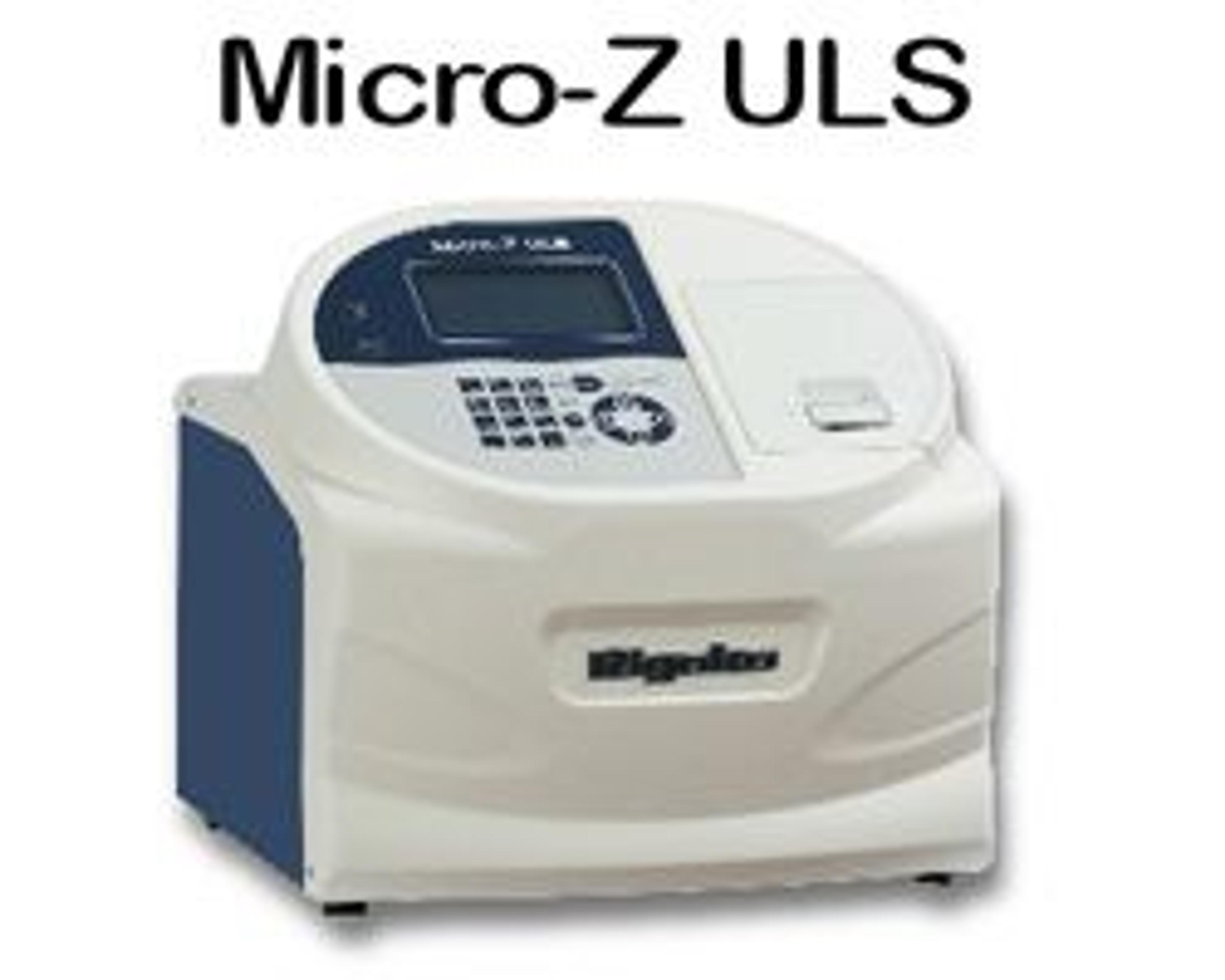
Micro Z ULS
Rigaku CorporationDesigned for ultra-low level sulfur analysis of diesel, petrol (gasoline) and other fuels, the Rigaku Micro-Z ULS wavelength dispersive X-ray fluorescence (WDXRF) instrument features a novel design that measures both the sulfur peak and the back-ground intensity. The ability to measure and correct for changes in background intensity delivers a better net peak intensity measurement, resulting in superior calibrations and enhanced real world precision. Rigaku Micro-Z ULS complies with ASTM 2622-10, ISO 20884 and JIS K2541-7 methods.The Rigaku Micro-Z ULS is the ideal solution for sulfur analysis of petroleum based fuels, with a lower limit of detection (LLD) of 0.3 ppm sulfur. Employing robust fixed optics in a vacuum environment, and featuring a specially designed doubly curved RX-9 analyzing crystal, the Micro Z ULS delivers consistent high sensitivity measurements.Micro Z ULS Features: Ultra-low sulfur analysis of diesel and gasoline 0.3 ppm lower limit of detection (LLD) No He(g) purge required Easy-to-use benchtop analyzer Complies with ASTM D2622-10 Complies with ISO 20884 Complies with JIS K2541-7