
Revolutionary New GC Columns Bring Magic to Water Analysis
Find out what exciting developments in water analysis are on the horizon in this exclusive interview with GC expert Lisa McCombie
22 Mar 2018
Editorial article
SelectScience® speaks to Lisa McCombie, global product manager for gas chromatography and speciality adsorbents under the Supelco® brand at MilliporeSigma, about its latest advancements in water analysis using gas chromatography.
Why are special GC columns required for water analysis?
Generally, water analysis is done by methods that have been around for decades, like Karl Fischer titration. These methods get the job done but can be cumbersome in certain cases. Most labs already perform GC analyses, so being able to analyze water by GC can provide users a real advantage by shortening analysis time, reducing chemical waste, and simplifying the analysis. You only need a small amount of sample to quantify sub-ppm levels of water by GC.

Previously, analyzing water by GC did not lead to good results and had several issues. Analysts would experience poor peak shape, bad responses, and even interferences with other common analytes. With our innovative ionic liquid technology, we were able to create a GC column, Watercol™, that eliminated all of these concerns, thus allowing the convenient measurement of water by GC.
The Watercol™ column also works very well for analyzing organic compounds and water on one column.
What are the top considerations for a scientist when choosing a GC column for water analysis?
When choosing a GC column, it is important to consider the elution time of the analytes of interest, selectivity of the analytes, peak shape (for quantification) and ensure linear calibration. These are all factors in the quality of the analysis.
The Watercol™ column, coupled with the appropriate detector, has reliably and reproducibly measured water concentration in a variety of matrices from levels down to 10ppb and up to 99+% water. Used with Shimadzu's Nexis GC-2030 Trace Moisture Analysis GC/BID for sub-ppm levels, and with a thermal conductivity detector (TCD) for up to 99+% water, you can achieve excellent water retention, separation and peak shapes in a short time.
What sets Watercol™ capillary GC columns apart from other columns?
The Watercol™ capillary GC columns are the only commercially available GC columns for water determination. They allow the qualitative and quantitative analysis of water in a variety of matrices, by GC, eliminating the need for special testing. This is a revolutionary new column that is taking the industry by storm, causing analytical chemists to say, "It's magic!”
A new test method work item (WK59649) has been proposed to ASTM with the Trace Moisture Analysis GC/BID and the Watercol™ column for the Determination of Water in Liquefied Petroleum Gas (LPG) through the ASTM D02 H00 committee. Be on the lookout for the official method once it is approved by ASTM!
Don’t miss out on your opportunity to save time and money with this revolutionary new column! Get yours today and discover the “magic” for yourself.
What further developments in GC column technology do you expect to see in the near future?
We plan on expanding our Watercol™ capabilities to even more applications and furthering our innovative line of ionic liquid capillary columns as a whole. At MilliporeSigma we work to solve the toughest problems in life science. Stay tuned for more exciting innovations to come!
For further details on the Watercol Columns visit the product page >>
Related products
Request Quote for All Products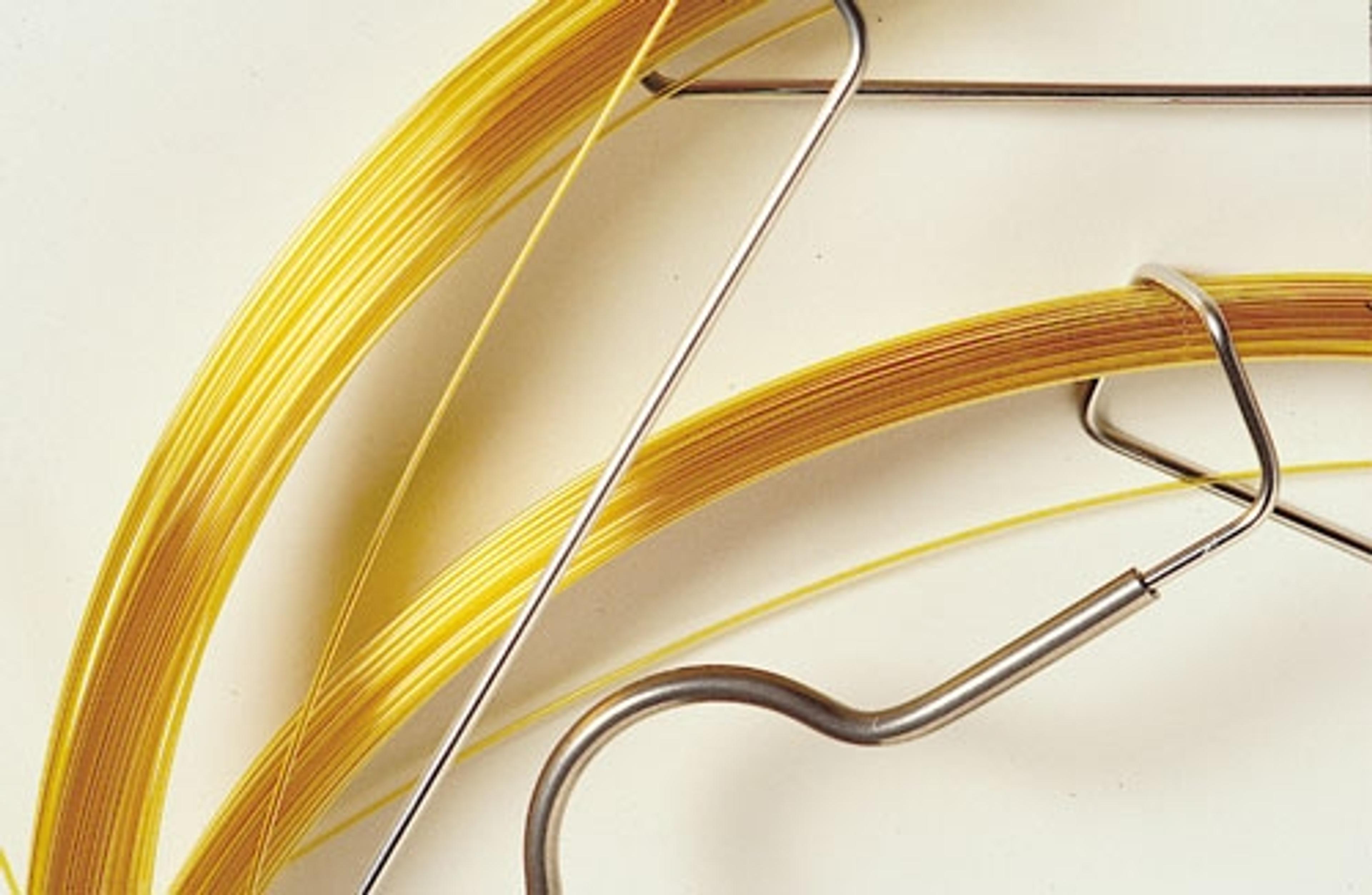
Watercol™ 1910
MerckThe Watercol capillary GC columns allow the qualitative and quantitative analysis of water in a variety of matrices, by GC, eliminating the need for special testing for water.