Researchers gain early insights into CAR T efficacy with patient-derived glioblastoma organoids on Maestro Z
New frontiers in glioblastoma: Patient-derived organoids on Axion BioSystems’ Maestro Z impedance-based live-cell analysis system offer new insights into CAR T bioactivity and immunotherapy efficacy
13 Dec 2024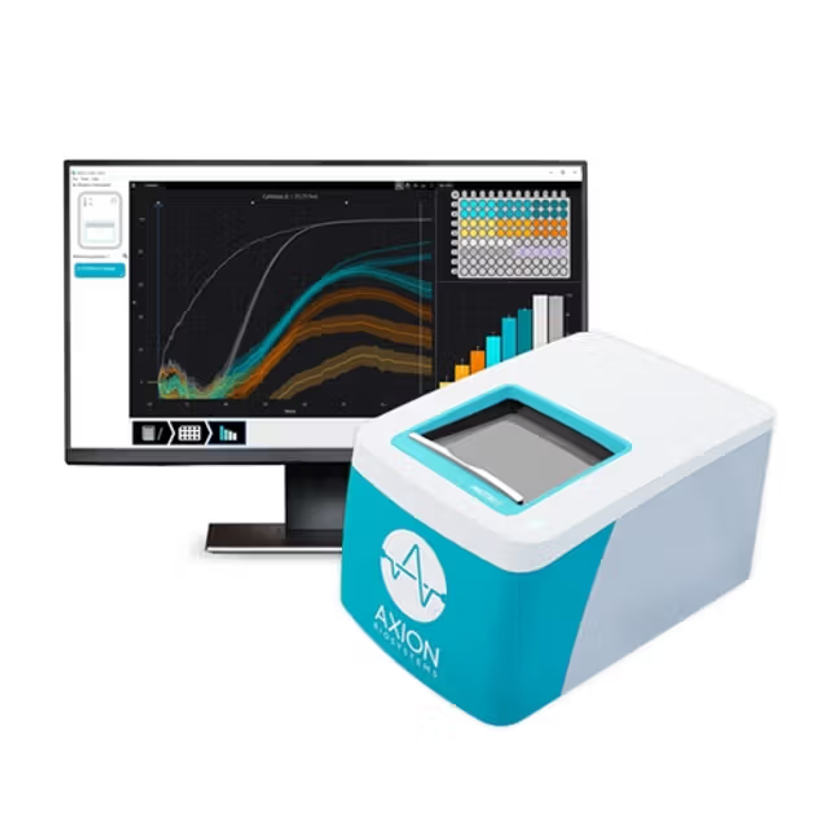
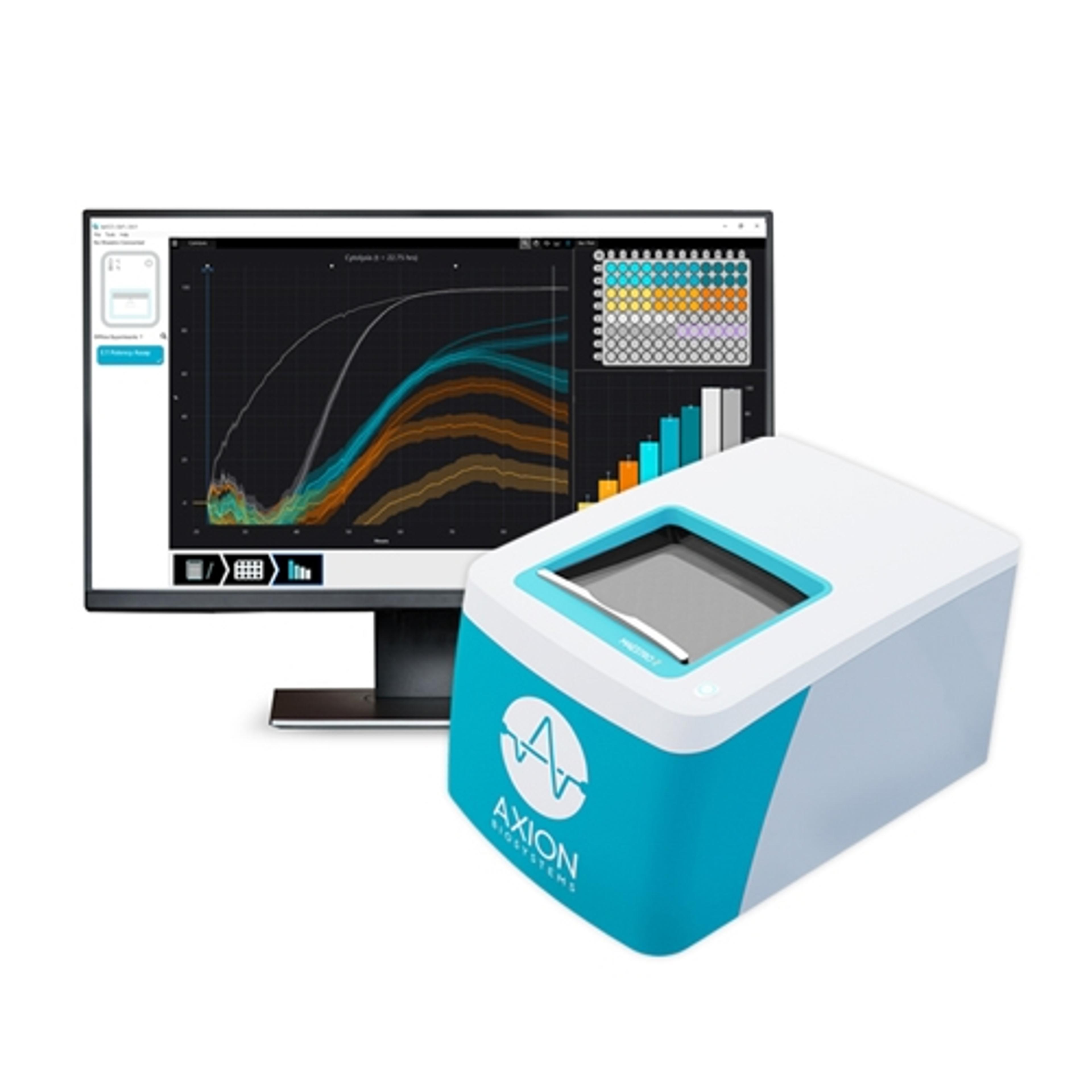
Axion BioSystems' Maestro Z platform offers impedance-based cell analysis for real time, continuous, label-free monitoring of cells.
New research from the University of Pennsylvania published in Cell Stem Cell describes an innovative approach that may enable scientists to better predict glioblastoma treatment responses and guide patient management in the clinic.
Using Axion BioSystems’ Maestro Z impedance platform and a novel method to rapidly produce patient-derived glioblastoma organoids (GBOs), the authors demonstrate 'preliminary success in correlating ex vivo GBO responses and in vivo patient responses', in their first-in-human clinical trial evaluating the efficacy of dual-targeting CAR T cells in people with recurrent glioblastoma.
Difficult-to-treat glioblastoma brain cancers represent an area of huge unmet need in oncology but the efficacy of CAR T-cell therapy has been limited, in part due to a lack of biologically relevant cancer models and patient-to-patient heterogeneity. Now, however three-dimensional GBOs, which more accurately represent tissue heterogeneity and the complex tumor microenvironment seen in solid tumors, can be rapidly generated from patient samples and tested to predict a personalized treatment efficacy.
According to the authors, the study “is the first clinical trial with a unique design to perform patient-matched organoid correlative studies in real time with patient treatment.”
To assess tumor cell cytolysis in GBOs co-cultured with patient-matched CAR T clinical cells, the team used Axion’s real-time, label-free Maestro Z live-cell analysis platform and found that the magnitude of cytolysis at 24 hours correlated with peak CSF engraftment in patients after receiving CAR T cell therapy, findings supported by magnetic resonance imaging. These exciting ex vivo results “provide direct evidence for the efficacy of the CAR-T cell treatment in tumor killing.”
To gain even deeper insights into the dynamics of T cell activation, the team collected CAR T cell-GBO co-culture media from Axion’s CytoView Z 96-well plate to detect IFNg, TNFα, and IL-2 levels, and compared the results with cytokine levels found in patients’ CSF.
During a recent webinar, lead author Meghan Logun, PhD, currently Regulatory Oncology Product Reviewer at the FDA-NIH Interagency Oncology Task Force (IOTF), said the results showing a correlation between the two were, “pretty incredible to see,” and that multiplexed cytokine measurements “could be a good additional real-time assessment to you give more color into what’s happening in the patient.”
Overall, the authors conclude that this proof-of-principle study using the Maestro Z impedance assay provides “a foundation for the future application of GBOs as avatars for testing treatment response in real time to stratify patients for clinical trials and to prioritize potential personalized treatment options.”
Want the latest science news straight to your inbox? Become a SelectScience member for free today>>