
Research Grade OEM Spectroscopy Camera offers Lowest Noise and Highest Dynamic Range in its Class
29 Aug 2012Product news
HORIBA Scientific, global leader in Raman and Fluorescence spectroscopy systems, just debuted their new Syncerity 1024 x 256 CCD Detector for UV-VIS-NIR. This new open-electrode -60ºC TE-Cooled CCD detector offers the lowest noise and highest dynamic range in its class.
HORIBA Scientific addressed the need for improved performance from CCDs available for OEM. The Syncerity is a research grade spectroscopy camera that combines affordability, performance and versatility for OEM, as well as research applications. Its flexible design and software allows our OEM dedicated team to easily customize this camera platform for industrial requirements, ranging from alternate CCD chips to electronics customization. Ruggedized connectors ensure overall system integrity in industrial environments, and its all metal sealed technology provides a permanent vacuum which comes with a lifetime maintenance free warranty.
The Syncerity’s ultra compact size is designed for compatibility with microscopes and OEM integration. At its slow scan speed of 45 kHz, this -60ºC detector offers unmatched dynamic range (92.5 dB in image mode) and has the lowest readout noise and non-linearity (< 0.4%) in its cooling class. In addition, its open electrode CCD technology offers broad spectral coverage with QE of 33% at 250 nm and 50% at 800 nm, and provides a lower cost alternative to eliminating the ill effects of etaloning in the near IR region, which traditionally required the use of expensive deep depletion CCD sensors.
"The Syncerity CCD Detector is the perfect choice for low light level detection in a variety of spectroscopic applications where ultimate deep cooling is unnecessary," said Michael Narozniak, Director of Multi-Channel Detectors for HORIBA Scientific. "This new detector complements our other lines of deep cooled, high performing spectroscopic CCD cameras, which include the LN2 cooled Symphony and TE cooled Synapse (-80 to -100 ºC) solutions. Now price and performance don’t have to be exclusive from one another, especially in applications and markets that are price sensitive.”
Related products
Request Quote for All Products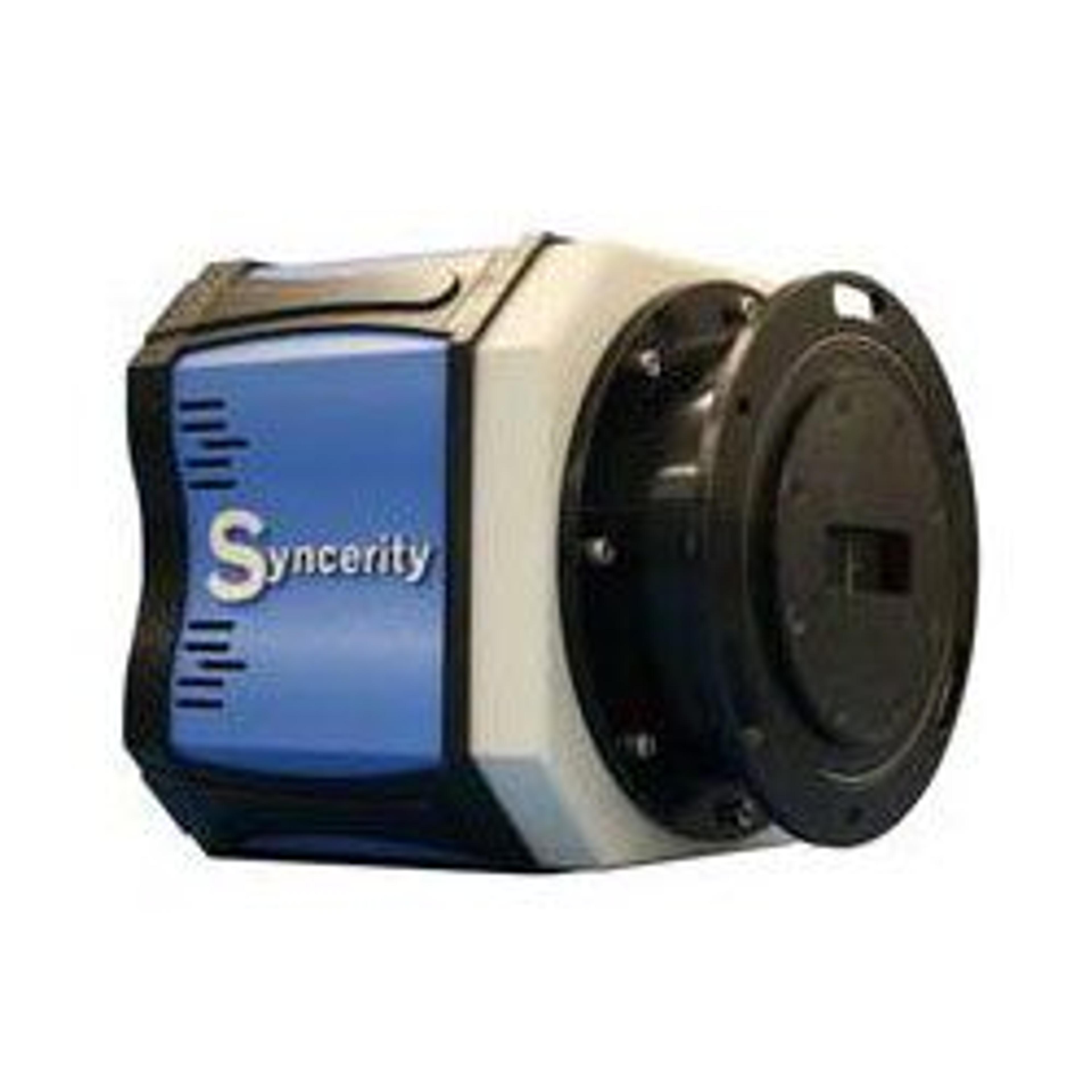
Syncerity 1024 x 256 CCD Detector
HORIBA ScientificThe deep cooled Open Electrode 1024 x 256 CCD Camera combines affordability, performance and versatility for both Research and OEM applications. With peak UV QE at 32% and peak VIS-NIR at 58%, SyncerityTM offers a relatively flat response and addresses multiple applications. In the near-NIR, this detector is a lower cost alternative to the deep depletion CCD, with no etaloning. The dynamic range of this SyncerityTM camera is unmatched at 92.5dB (in image mode) and the CCD's tall format is an excellent fit for imaging spectroscopy applications. Its flexible design allows our OEM dedicated team to quickly adapt the camera for industrial requirements, ranging from alternate CCD chips to electronics customizations.