
Reduce, reuse, recycle: Sustainability in the lab
Single-use plastics are abundant in labs – but is there anything that can be done about it?
17 Feb 2021
Editorial article

Public concern surrounding the amount of single-use plastic in our day-to-day lives has increased significantly in the past few years. Reducing the use of these plastics is something that many scientists feel strongly about, and yet in the typical lab, they are surrounded by disposable plastic such as pipette tips, nitrile gloves and cell culture flasks, which are often not recycled due to biological contamination. Moreover, the infrastructure is simply not in place at most research facilities to deal sustainably with the plastics being disposed of.
But with challenges come opportunities and there have been notable innovators in this field. One such innovation is presented by Starlab, a company whose passion is to improve sustainability in science, around its philosophy of “reduce, reuse, refill, recycle”. The Starlab team understands that in many laboratories, items can only be used once. However, this doesn’t mean these labs cannot operate sustainably in other areas. Here we take a look at how improved sustainability in the lab can be achieved without giving up essential single-use plastics.
Reuse – wherever possible
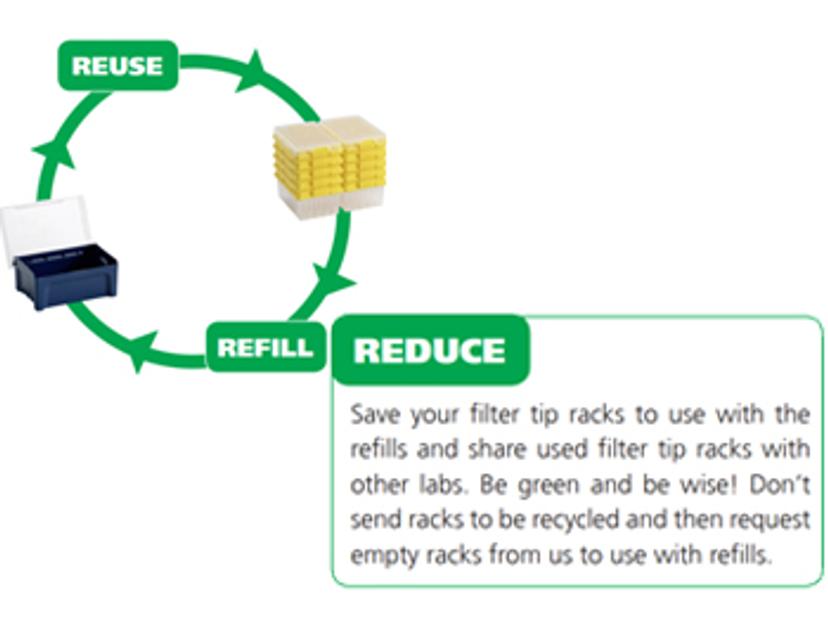
It is known that single-use disposable products provide sterility and save time. However, they are a big driving force behind the increasing amounts of waste being produced, including the packaging that needs to be added for each product. Lab managers must ask themselves where the use of single-use products is necessary, and where it can be avoided.
Products such as pipette tips generally should not be reused for the risk of cross-contamination and sample interference. On the other hand, researchers should consider reusing items such as tip racks. For instance, STARLAB’s TipOne racks can be reused over and over again with the TipOne refill systems as they are built to withstand at least 100 autoclave cycles. Refilling and reusing racks will significantly reduce plastic waste compared to using a racked product.
As well as this conventional use, why not use the racks for storage? The TipOne racks stack neatly on top of each other and the hinged lid makes them ideal for storage of small consumables or tubes on the lab bench or fume hood. They also make a handy vessel in which to autoclave small lab items.
Recycle – why not in the lab?
Recycling has become a norm in our everyday lives, so why not apply this to the lab as well? The situation is often different in the lab, contaminated single-use plastic waste often ends up in the general residual waste which is then burned in a waste incineration plant. This makes sense from the point of safety considerations and is a legal requirement.
But did you know that uncontaminated products, made from high-quality plastics, can be sorted from waste, and recycled without any problems? For instance, all components of the STARLAB’s TipOne system are made from recyclable polypropylene so the rack, the tip wafers, all the refill and stack rack packaging can go in the same recycling bin.
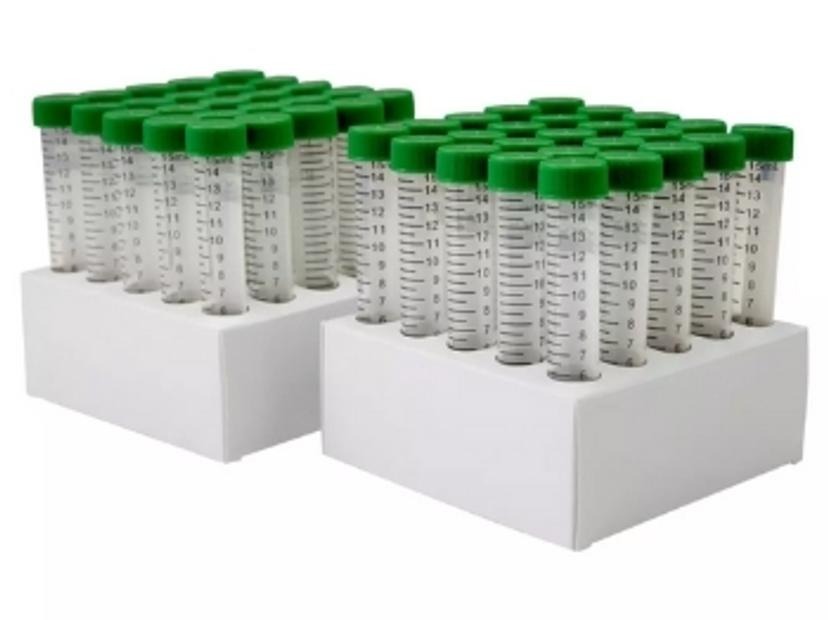
Polystyrene may look like ideal packaging material, but it can be difficult and costly to recycle. This is why STARLAB’s centrifuge racked tubes are supplied in eco-friendly cardboard trays that can be recycled with ease.
Reduce – minimizing consumption
When designing a product, manufacturers should pay close attention to efficient design, production, and packaging. STARLAB has introduced a modern injection molding technique that allows it to manufacturer its new generation of TipOne pipette tips with thinner plastic walls without compromising on product integrity. This technology results in up to 40% less polypropylene (PP) used per pipette tip compared to the older equivalent, thus saving valuable resources and significantly reducing the environmental impact. Furthermore, its pipette tip racks and refill systems ensure that less material is used. According to Starlab, this reduction in the amount of material used comes with no loss in quality and retains excellent autoclaving performance.
Small steps go a long way
The bottom line is this: when it comes to sustainability, little changes can lead to a big impact. Rethinking your use of plastic products and making sure they are used sensibly, whilst keeping in mind the three Rs – reduce, reuse and recycle – can go a long way towards cutting down on landfill waste, marking an important step in the right direction for all of us.
More from the Starlab series: Passion for sustainability: Why Starlab’s new look is sending a strong message to the scientific community>>
Do you use Starlab products in your lab? Write a review for your chance to win a $400 Amazon gift card>>
Related products
Request Quote for All Products
Centrifuge Tubes Conical, Racked (Sterile)
StarlabDesigned for the centrifugation of cells but can also be used for standard centrifugation, preparation and storage applications.
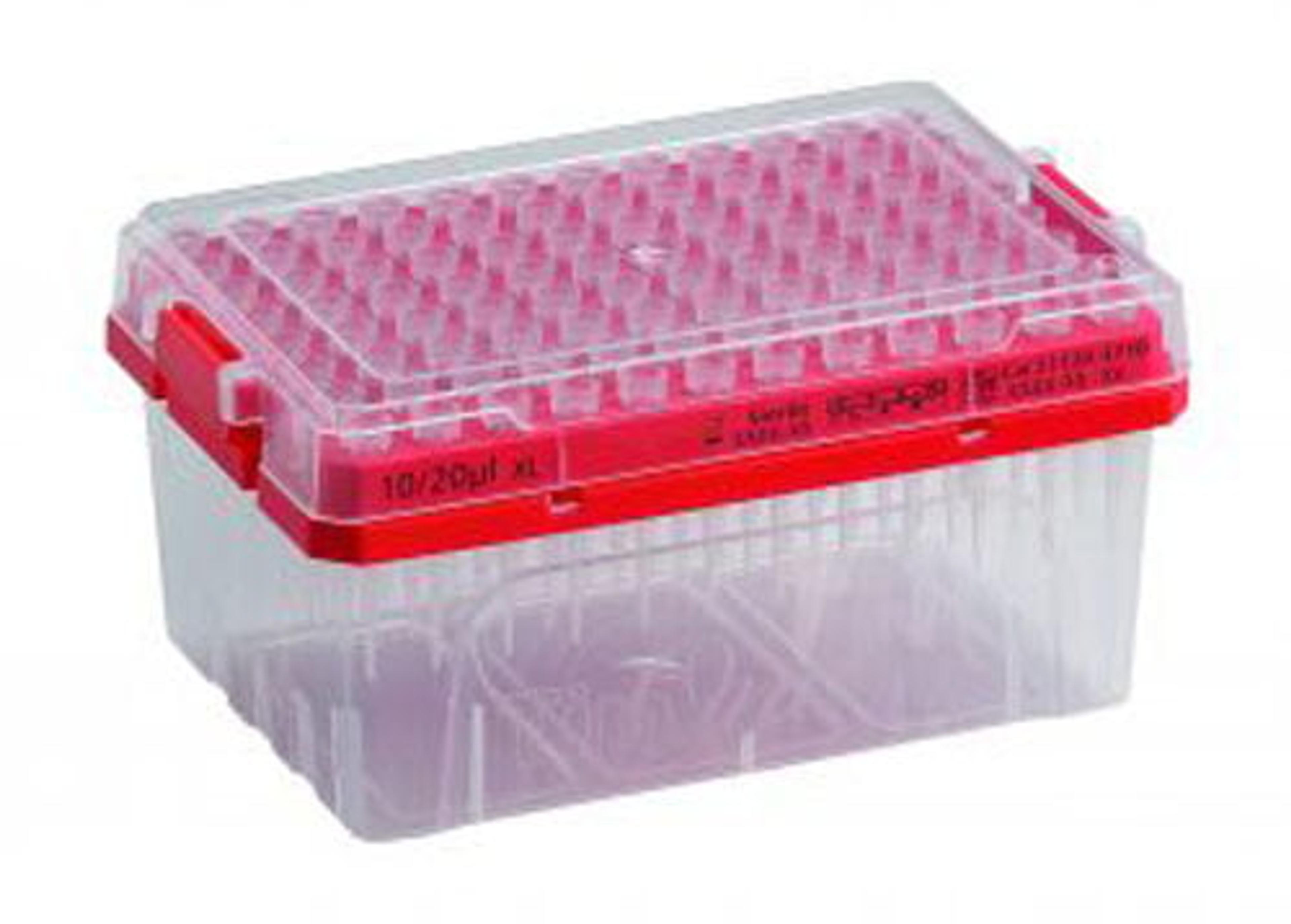
TipOne® Sterile Tip Refill System
StarlabEco-friendly & safe alternative to racked sterile non-filtered tips