
Recent Innovations in NMR Applications
9 Dec 2014
Editorial article
Discover recent advances in NMR applications, such as enabling the identification of 'Jack the Ripper', metabonomic studies for personalized healthcare, and quality control solutions for the polymer industry.
Article: Has ‘Jack the Ripper’ Been Identified Using DNA Coding and NMR Technology?
Application Note: Agilent Metabolomics Workflow Solutions Using LC/MS, GC/MS, and NMR - Agilent Technologies
Application Note: Process and Quality Control Solutions by Time Domain NMR Analysis for Polymer Industries - Bruker BioSpin
Video: Personalized Medicine: The Future of Healthcare
Application Note: Pulsar™ Benchtop NMR for Food Authenticity Screening - Oxford Instruments
Related products
Request Quote for All Products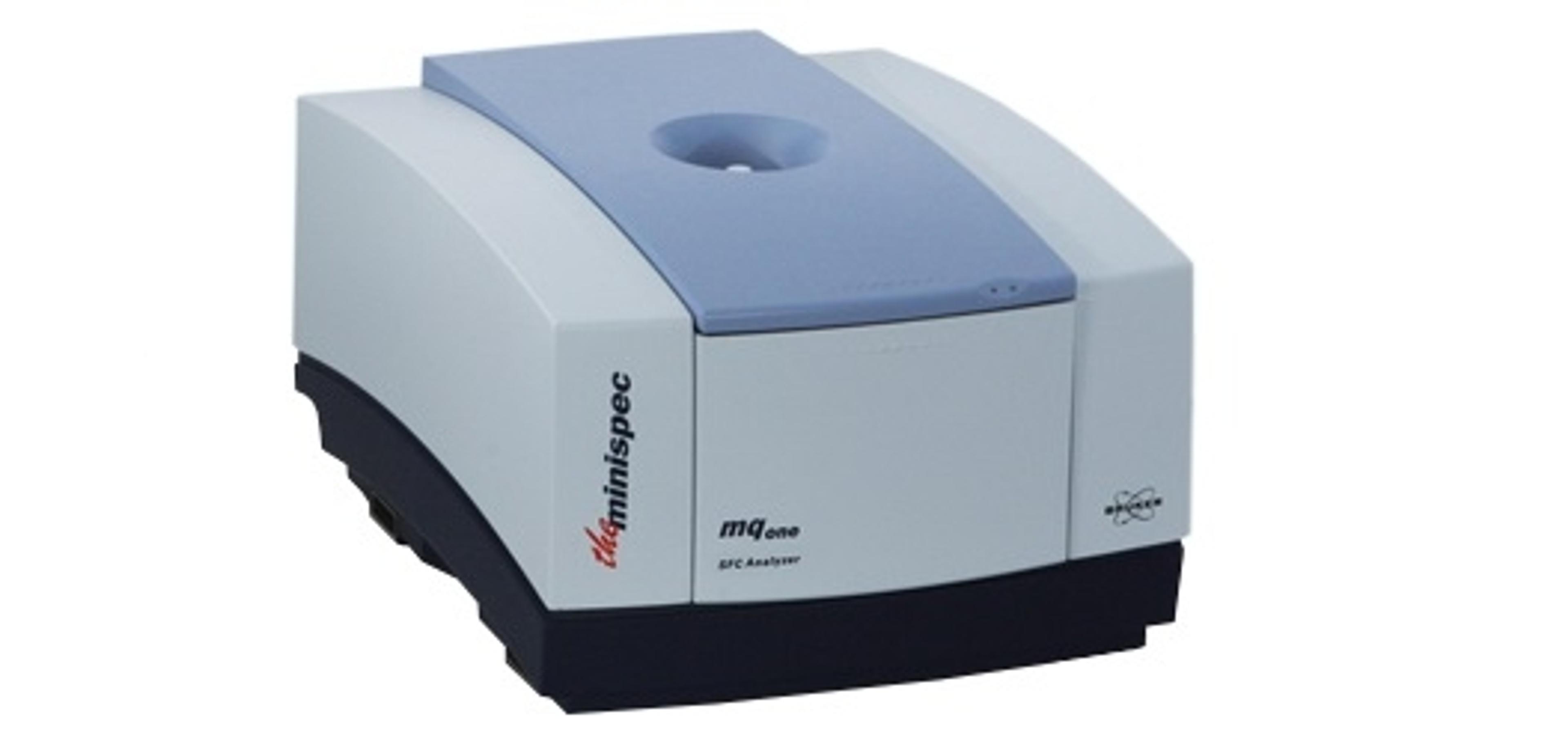
Minispec mq-one Series TD-NMR Analyzer
Bruker BioSpinThe One Solution for Your Dedicated QC Application
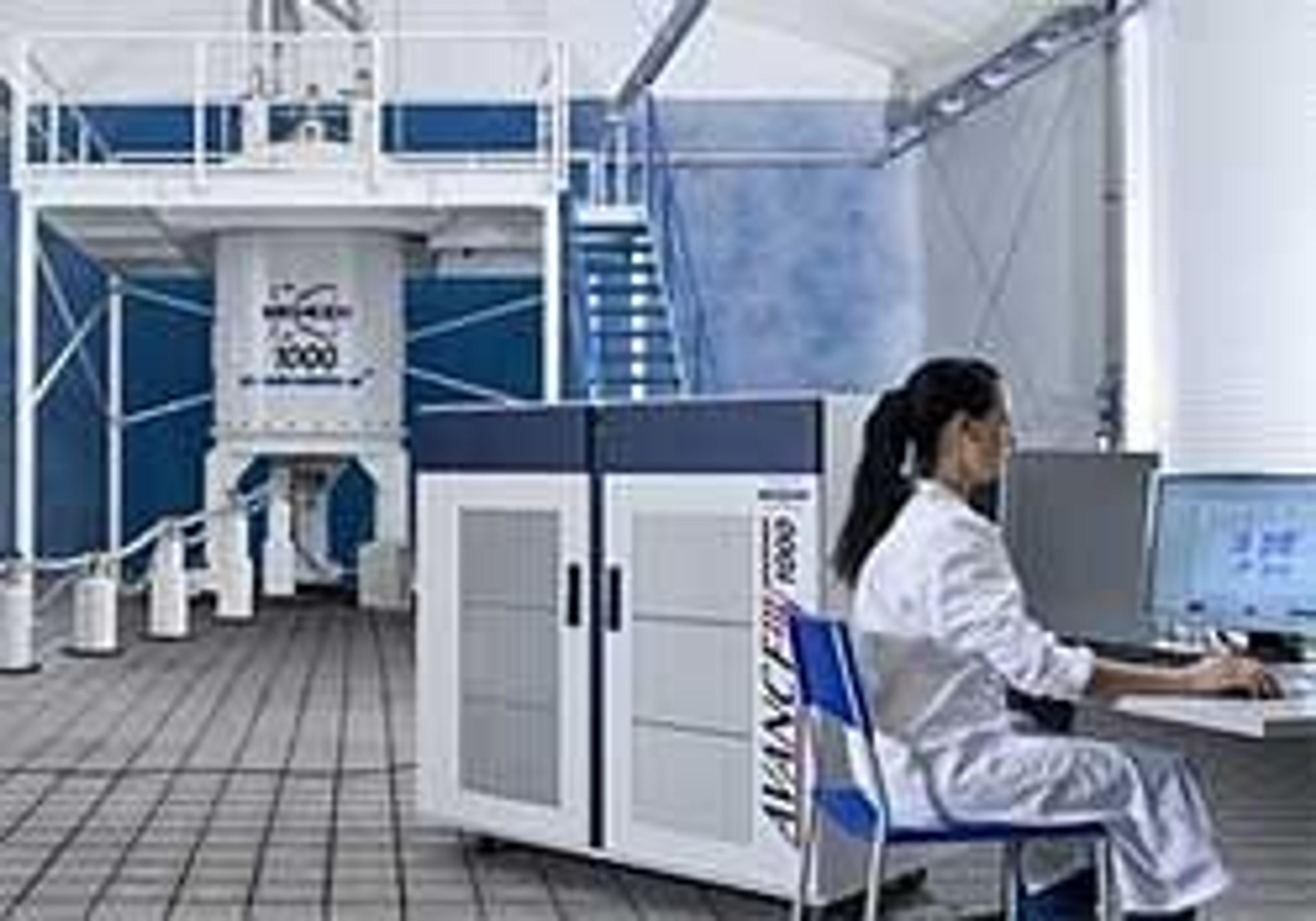
AVANCE 1000
Bruker BioSpin launches a breakthrough one Gigahertz Ultra-High Field AVANCE 1000 MHz NMR spectrometer. Incorporating a record-breaking 23.5 Tesla standard-bore (54 mm) superconducting NMR magnet, the AVANCE 1000 MHz NMR spectrometer, brings one Gigahertz technology to NMR research. AVANCE 1000 MHz NMR Spectrometer with the first 1 GHz CryoProbe installedThe high field strength and high field stability in combination with the first 5 mm triple-resonance CryoProbe enables unique 1 GHz NMR applications. Bruker is proud to be able to equip researchers with such an outstanding instrument that will helpto push the frontiers in biochemistry, structural biology and other molecular research. The first Avance 1000 system was delivered to the new ‘Centre de RMN à Très Hauts Champs’ in Lyon, France in July 2009. Bruker BioSpin has successfully completed installation in November 2009. The AVANCE 1000 now offers unparalleled research opportunities, both to CRMN and to other National and European scientists who will access the unique facility.