
Proteinase K provides versatility in molecular biology
Explore the importance of this powerhouse protease across diverse research and product development applications and discover a standout proteinase K offering
6 Mar 2024
In the world of molecular biology and biochemistry, where precision and reliability are paramount, one molecular raw material stands out as a workhorse – proteinase K. This serine protease, known for its efficacy in digesting structural proteins and enzymes, plays a pivotal role in a range of applications across diagnostics, pharmaceuticals, biotechnology, and academic research.
In this article, we speak with Lydia Wu, Commercial Business Development Manager, and Chloe McClanahan, Elevate Program Director at Merck, to gain valuable insights into the significance of proteinase K, its diverse applications, and why Merck's offering and Elevate program stands out in this competitive landscape.
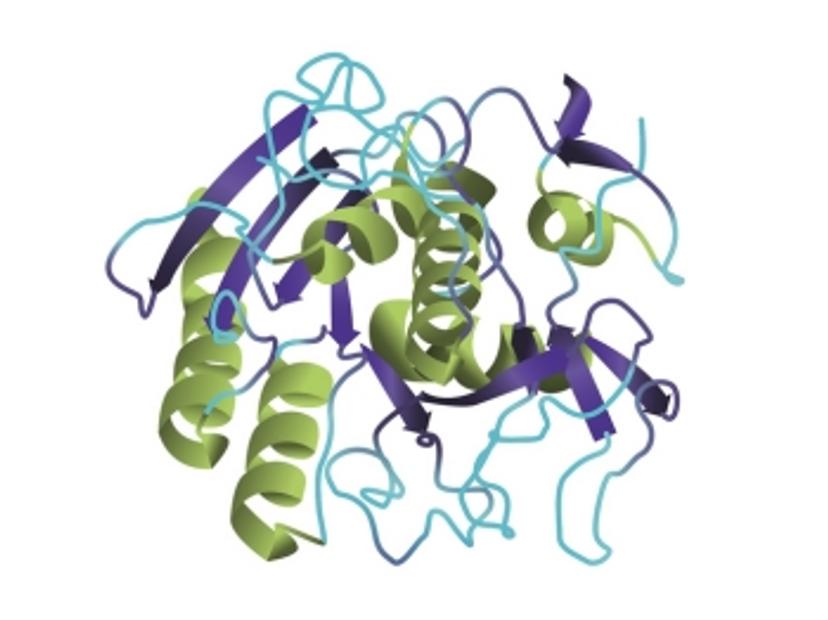
What is proteinase K?
Proteinase K is a serine protease that is renowned for its proficiency in breaking down proteins through the hydrolysis of peptide bonds. Its versatile nature enables the digestion of a wide spectrum of proteins, even those resistant to alternative proteases. Demonstrating stability across diverse pH levels and temperatures, this protease exhibits resilience against detergents and denaturing agents, rendering it a robust choice for a myriad of applications. It plays a crucial role in both research laboratories and diagnostic settings due to its robust ability to neutralize nucleases that could degrade the integrity of nucleic acids. Moreover, proteinase K is instrumental in the isolation of intact genomic DNA and RNA from varied sample types, making it a critical reagent in scientific applications.
Diverse applications of proteinase K in the lab

Drawing on her extensive expertise in promoting efficiency in laboratories, Lydia Wu understands the pivotal role of proteinase K across molecular biology and biochemistry applications. This versatile enzyme enables the extraction of high-quality DNA/RNA for downstream analysis in clinical and diagnostic labs, molecular biology research, pharmaceutical and biotech industries.
Proteinase K fits into various workflows, commonly used with cell lysis buffers and reagents, nucleic acid extraction kits, and purification chromatography columns in sample preparation workflows.
In clinical and molecular diagnostic labs, proteinase K is one of the important reagents for sample preparation, facilitating the preservation of high-quality nucleic acids. Molecular biologists employ the protease in DNA and RNA extraction from various biological samples, supporting downstream experiments such as PCR, next-generation sequencing (NGS), and gene expression analysis. Microbiologists find utility in using proteinase K for the identification and characterization of microorganisms. It aids in the extraction of nucleic acids from microbial samples, allowing for the detection and analysis of specific microbial genes or sequences.
In the biopharma, pharmaceutical and biotech sectors, biochemists leverage proteinase K for the purification of recombinant proteins, aiding in the removal of contaminants during manufacturing processes.
How to choose the right proteinase K
Selecting the appropriate proteinase K as a raw material involves a thoughtful evaluation of several crucial factors.
- A critical consideration is the activity of the proteinase K you choose. This can vary depending on the source, purity, and manufacturing process. Opt for a proteinase K with high activity to ensure optimal performance in the intended application.
- Proteinase K can digest a wide range of proteins, but its specificity can be affected by various factors such as pH, temperature, and the presence of inhibitors or other reagents.
- Prioritize high purity to prevent interference or contamination that could interfere with downstream applications, particularly in large-scale processes
- Choose a proteinase K with high stability to ensure consistent performance and an extended shelf life, even under varying conditions. Proteinase K can be unstable under certain conditions, such as high temperatures or exposure to certain solvents or detergents.
- Finally, evaluate the right balance between cost and quality/performance to select the optimal proteinase K for your intended application. The cost can vary depending on the source, purity, and manufacturing process.
Merck recognizes the complexities involved in this selection process and offers different grades of proteinase K to cater to diverse application needs. The company’s support extends beyond mere product availability; users can benefit from expert guidance, detailed product information, and application-specific recommendations. This support is available through various channels, including access to application specialists, a technical support team, and sales representatives. Leveraging this extensive expertise ensures users can confidently identify the most suitable grade of proteinase K tailored to their specific needs.
Merck’s proteinase K promises versatility, stability, and assured quality
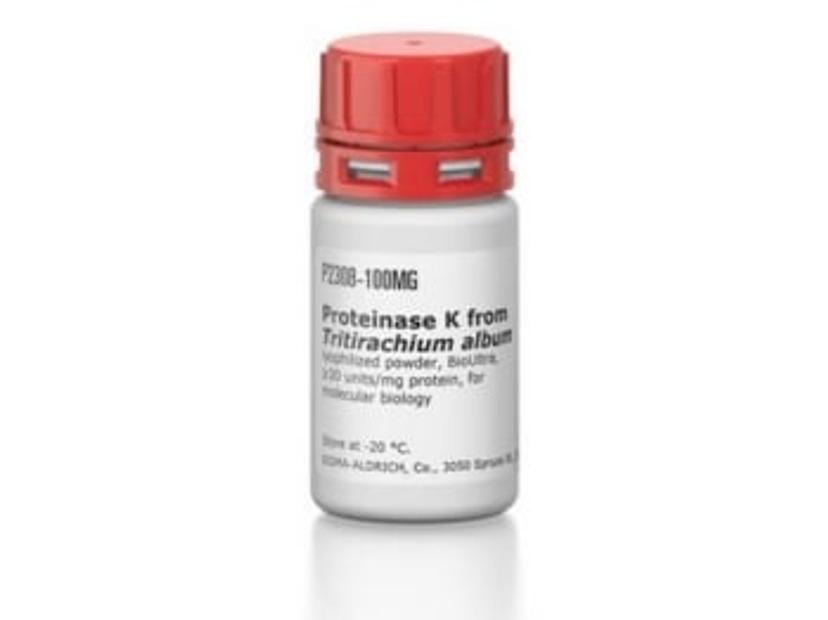
Merck's proteinase K, originated from Tritirachium album, distinguishes itself through a range of unique features and benefits:
- Versatile and adaptable application: Promises robust enzyme stability over a broad pH range and is suitable for sample preparation in different conditions across diverse applications.
- Consistent quality and performance: Rigorous quality testing ensures optimal stability and high-level lot-to-lot performance for reliable results.
- Contamination-tested to meet the requirements of user’s applications Products of higher quality grade undergo comprehensive testing for RNase, DNase, DNA content and bioburden.
Underlining Merck's commitment to quality, Wu emphasizes the company's status as the original manufacturer and a leading supplier. Merck offers comprehensive grades of proteinase K to meet a spectrum of applications, from basic research to large-scale manufacturing. Notably, part of the proteinase K portfolio is processed without animal-derived materials, making it a preferred choice for upstream pharmaceutical production and diagnostic applications.
With a wealth of experience spanning decades in production, quality assurance, technical expertise, dual manufacturing sites, supply chain management, and global distribution, Merck reinforces reliability and quality while ensuring a resilient supply chain for diverse pharmaceutical, diagnostic and industrial needs.
The future of proteinase K in molecular research and diagnostics
Merck’s proteinase K will be joining the list of top-of-the-line products in its Elevate program, a comprehensive initiative designed to address the evolving regulatory landscape in the field of in vitro diagnostics (IVD) manufacturing. Elevate is designed to meet the elevated and dynamic needs of the industry by offering high-quality raw materials along with the necessary expertise and documentation.
Proteinase K is a good raw material candidate for Elevate program qualification since it is manufactured using biological materials. Biological materials normally exhibit natural variation. Natural variations can result in differences in the composition, potency, and quality of proteinase K from batch to batch. “Natural variation may ultimately impact the safety and performance of a regulated, IVD assay,” explains Chloe McClanahan. “Due to this risk, IVD manufacturers are likely to classify proteinase k manufacturers as critical suppliers where increased risk mitigation and quality support is required.”

“Providing consistent information pertaining to product compliance, quality management and verified process controls, the Elevate dossier conveniently supports the IVD manufacturing customer in meeting their regulatory hurdles,” shares McClanahan. By participating in the Elevate program, IVD assay developers and manufacturers worldwide can navigate regulatory changes more effectively, ensuring that their products are audit ready.
Outside of the Elevate program, Wu envisions ‘steady growth’ in the future use of proteinase K. The rise of genomics and proteomics research is expected to contribute significantly to increased demand for proteinase K. As diagnostic testing applications continue to expand, the crucial role of proteinase K in ensuring high-quality nucleic acid extraction becomes increasingly vital. Moreover, the growing scale of biopharmaceutical production amplifies the demand for proteinase K.
As assays become more sensitive and certain applications require handling small sample amounts, the quality of proteinase K becomes increasingly critical. Ensuring high-quality enzyme performance is vital for accurate and reliable results in these advanced applications.
Related products
Request Quote for All Products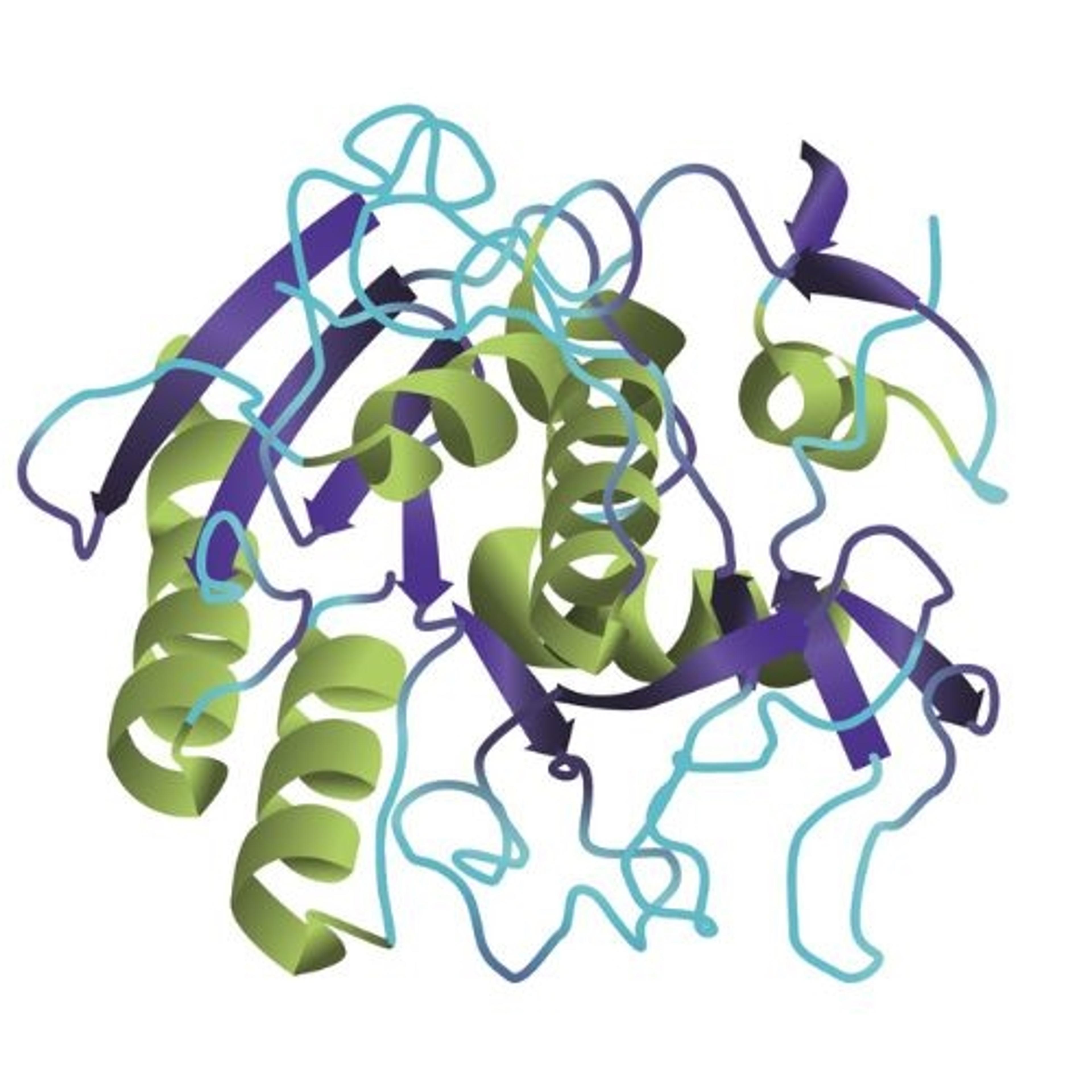
Proteinase K from Tritirachium album ELEVATE, lyophilized powder, ≥30 units/mg protein
MerckProteinase K from Tritirachium album ELEVATE
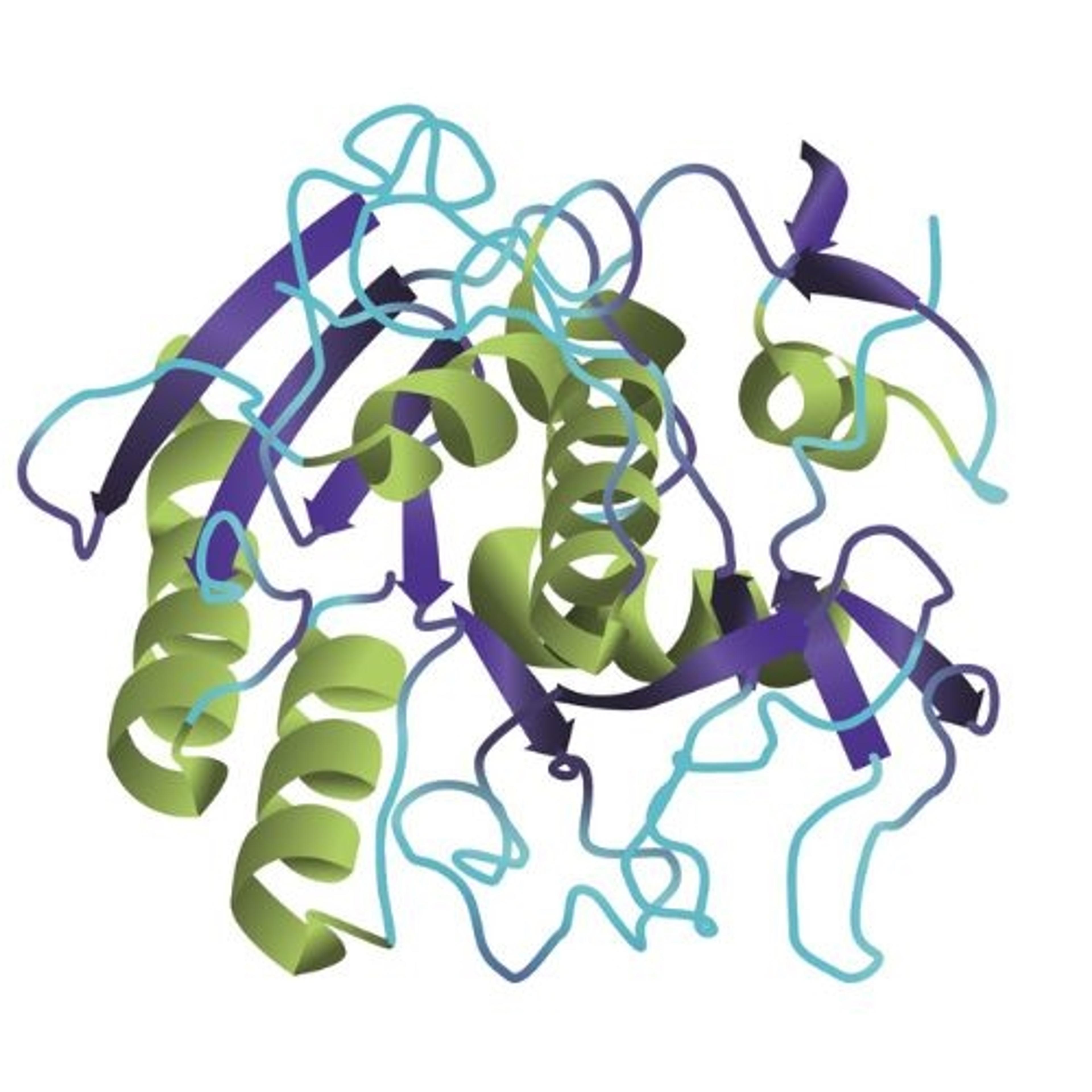
Proteinase K from Tritirachium album ELEVATE, buffered aqueous glycerol solution, ≥800 units/ml
MerckProteinase K from Tritirachium album ELEVATE