Promega announces combined COVID-19/ influenza clinical test expansion

Expanded list of instruments and reagents allows more options for labs running CDC Influenza SARS-CoV-2 (Flu SC2) Multiplex Assay

25 Jan 2021

Diane Li
Assistant Editor

Product news

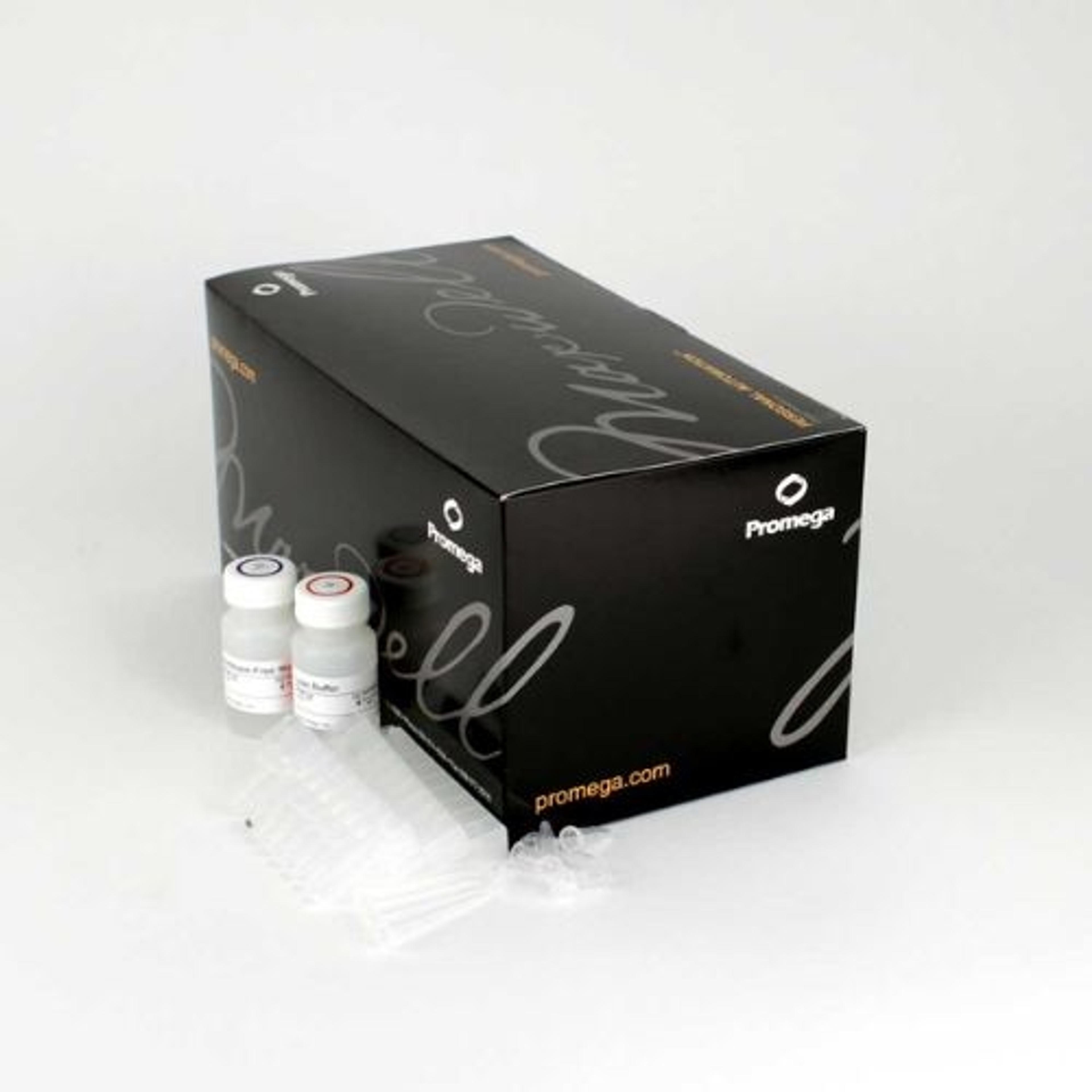
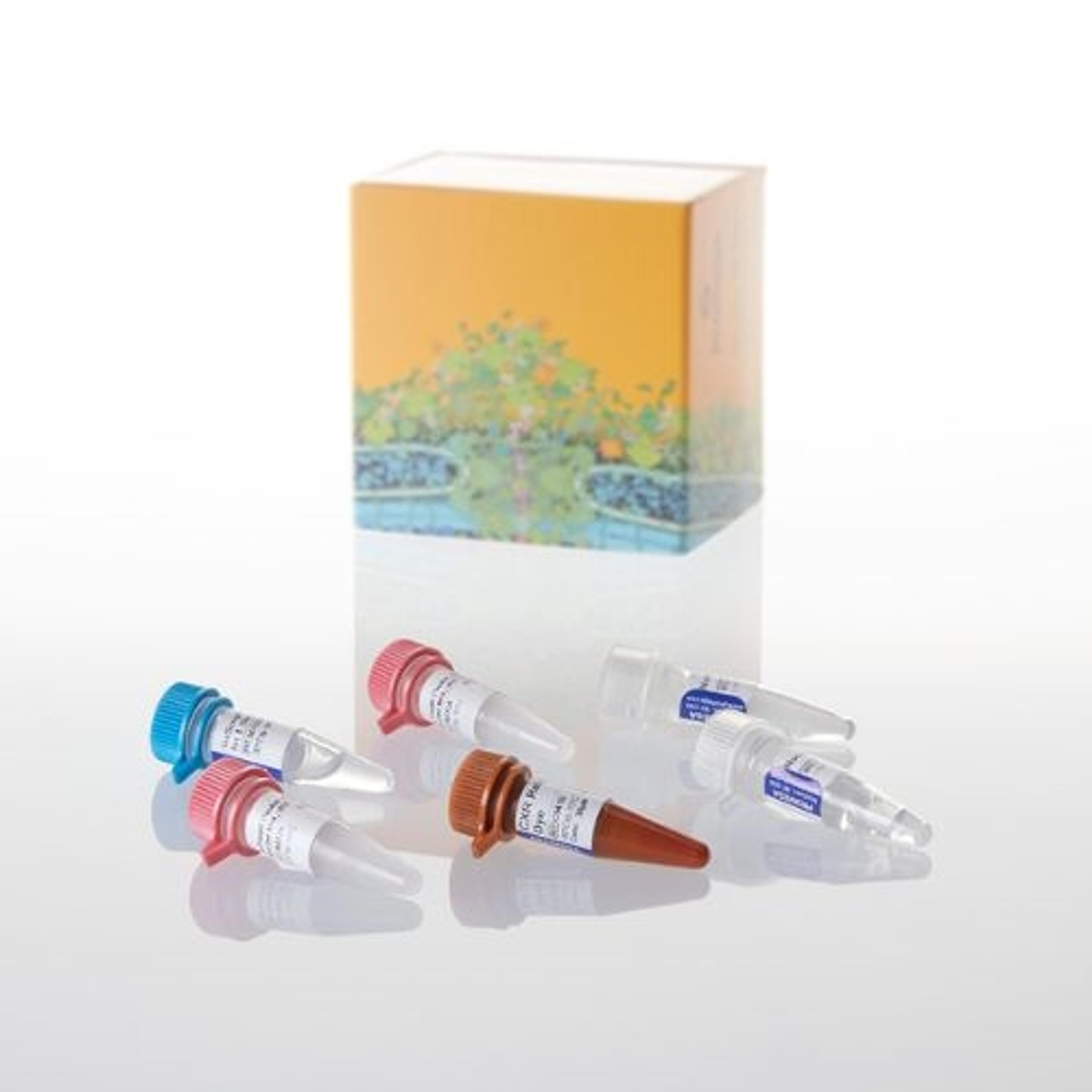
Labs performing the Centers for Disease Control’s (CDC) Flu SC2 Multiplex Assay, a single test to diagnose infection caused by SARS-CoV-2, influenza A, or influenza B, can now use two Promega instruments and a Promega nucleic acid purification kit in the protocol. In a letter dated January 8, 2021, the US Food and Drug Administration (FDA) authorized an amendment to the Emergency Use Authorization (EUA) for the CDC Influenza SARS-CoV-2 (Flu SC2) Multiplex Assay that adds the Maxwell® RSC 48 and Maxwell® CSC 48 instruments, along with the Maxwell® RSC Viral Total Nucleic Acid Purification Kit, as options for the test procedure.

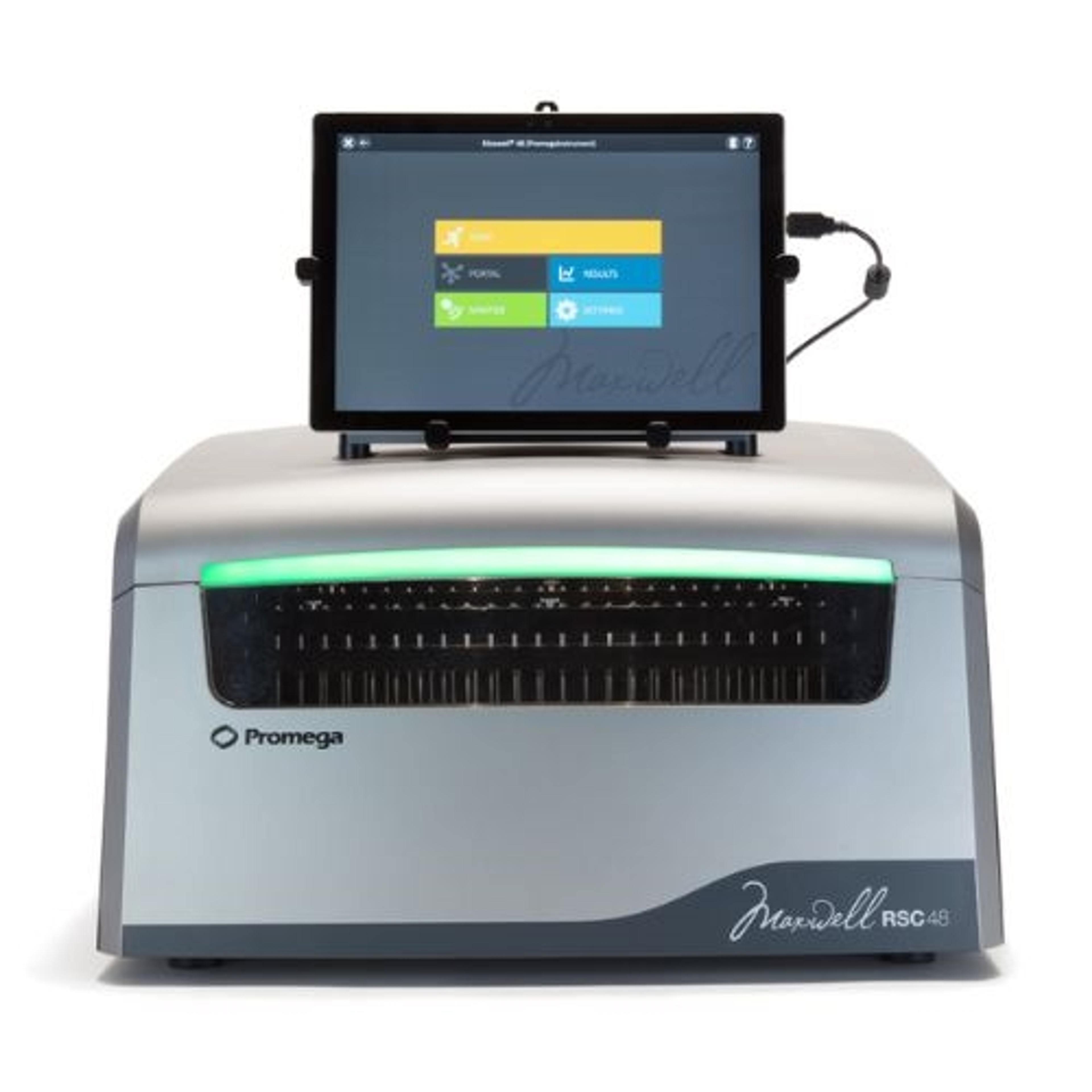
The Promega Maxwell® RSC 48 benchtop instrument is an automated nucleic acid purification platform that processes up to 48 samples simultaneously. The Maxwell® CSC 48 nucleic acid extraction system is an in vitro diagnostic medical device specifically designed for clinical laboratories. The Maxwell® RSC Viral Total Nucleic Acid Purification Kit can be used with either instrument to purify viral RNA from SARS-CoV-2 test samples.

Multiplex Tests for SARS-CoV-2, Influenza

Multiplex tests, such as the Flu SC2 Multiplex Assay, can detect and differentiate RNA from SARS-CoV-2, influenza A virus, and influenza B virus from a single patient sample. This enables:

  • labs to conserve materials while also processing more tests
  • clinicians to differentiate between COVID-19 and flu, since symptoms can be similar
  • health officials to conduct ongoing flu surveillance while also testing for SARS-CoV-2

“Multiplex molecular tests are crucial as the flu season overlaps with the COVID-19 pandemic, and we’re glad that Promega is able to continue to support laboratories by providing them more options as testing evolves and advances,” says Heather Tomlinson, Director of Clinical Diagnostics at Promega.

Promega SARS-CoV-2 Support

Maxwell® RSC 48, Maxwell® CSC 48, Maxwell® RSC Viral Total Nucleic Acid Purification Kit and GoTaq® Probe 1-Step RT-qPCR System are already included, for emergency use, in the CDC 2019 Novel Coronavirus (2019-nCoV) Real-Time RT–PCR Diagnostic Panel, which tests for COVID-19 only.

  • Bioluminescent immunoassay to detect SARS-CoV-2 antibodies: The Lumit™ Dx SARS-CoV-2 Immunoassay is a qualitative IVD test intended to detect antibodies to SARS-CoV-2 in serum or plasma.
  • Technology to accelerate COVID-19 testing: XpressAmp™ Direct Amplification Reagents allow labs to skip the RNA extraction step of the workflow.
  • Reagents to enable testing an estimated 550 million samples: Since January 2020, Promega has rapidly increased production to support labs testing for SARS-CoV-2 worldwide.

Tools used for COVID-19 applications are a small subset of the 4,000 products Promega manufactures and distributes globally, serving research, pharma, clinical, forensic and applied markets. These products are used for a myriad of applications in human health, disease, genetic identity, drug development, clinical diagnostics and more.

Do you use Promega products in your lab? Write a review today for your chance to win a $400 Amazon Gift Card>>
Links

Tags

Cell Adhesion AssaysCell adhesion assays are used to quantitate attachment and analyze the molecular mechanisms for extracellular matrix adhesion, cell migration and sensitivity to inhibitors. Find the best cell adhesion assay equipment in our peer-reviewed product directory: compare products, check customer reviews and receive pricing direct from manufacturers.Data AnalysisData analysis hardware and software is available to make data processing straight-forward yet powerful. Data software can be used for math and stats, technical graphing and image analysis. In addition, software is available for specific data analysis of electrophoresis, densitometry, ELISA and DNA sequencing.Cellular PathologyCellular Pathology deals with the microscopic analysis of tissue samples and cells. Sample preparation and processing includes fixation, staining, sectioning and slide mounting, using equipment such microtomes and cryostats. In choosing immunohistochemistry and immunocytochemistry kits, consider chromogens, staining method, antibodies, microscopes and imaging.DNA / RNA Extraction and PurificationPurified DNA and RNA are required for numerous downstream molecular biology applications. Consequently, the importance of high-quality DNA/RNA extraction and purification equipment cannot be underestimated. Many purification kits are available and are typically optimized for nucleic acid type and source, including plasmid DNA, genomic DNA, mRNA, RNA and viral nucleic acid purification kits. Automated extraction and purification of nucleic acids can be implemented with magnetic bead separator instruments or high-throughput purification workstations. Find the best DNA/RNA extraction and purification equipment in our peer-reviewed product directory: compare products, check customer reviews and receive pricing direct from manufacturers.DNA SequencingDNA sequencing, such as sanger sequencing, is a biological technique that determines the precise order of nucleotide bases in a fragment or template of DNA. DNA sequencers and genetic analyzers are based on capillary electrophoresis, where labeled DNA fragments are electrophoretically separated by size as they migrate through a polymer. Find the best DNA sequencing products, including DNA sequencing kits, genomic libraries and genetic identity kits in our peer-reviewed product directory: compare products, check customer reviews and receive pricing direct from manufacturers.Biopharmaceutical AdvancesBiopharmaceutical advances follow the development of pharmaceuticals derived from biotechnology, also known as biotechnology medicines. Biopharmaceuticals may be produced from cell lines, plants, or microbial cells. Important considerations of biopharmaceutical use include application, cost, production process and purification.Clinical TrialsClinical Trials, an essential part of drug discovery process, assess the safety and effectiveness of a new medication or device in the pharmaceutical industry. Clinical Trials are a phased process (Phase 0, Phase I, Phase II, Phase III and Phase IV) which begins after initial preclinical testing.Clinical ChemistryBiochemistry (or clinical chemistry) involves the analysis of bodily fluids using chemical tests. Techniques used include HPLC, chromatography, spectroscopy, mass spectrometry, immunochemical, electrophoresis, turbidometric / spectrophotometric assay, MRI and ISE analysis. Tests are often carried out on plasma or serum but urine (urinalysis) and fecal specimens are also processed.Clinical GeneticsMolecular Genetics covers the analysis of hereditary genetic disease and chromosomal abnormalities. Genetics can be analysed using DNA, RNA, and protein microarrays, PCR, RT PCR and DNA sequencing. Genetic equipment includes genetic workstations, thermal cyclers, cooling blocks and electrophoresis products. Diagnostic kits are used for DNA / RNA extraction and purification.Clinical MicrobiologyMicrobiology is the study of microorganisms including protists, prokaryotes, fungi, and, often, viruses. Microorganisms are a useful research tool as genetic vectors and, in immunology, for antibiotic susceptibility testing, cellular biology and genetics. Microorganisms commonly grow readily in incubators with microbial culture media; this can contain chromogenic supplements to differentiate between cell lines. Estimate your culture’s density of microorganisms with colony counters, or screen and select colonies for desirable clones with automated colony pickers. Additionally, equipment is available to monitor environments for the presence of microbes and identify with microbial identification instruments. Find the best microbiology products in our peer-reviewed product directory: compare products, check customer reviews and receive pricing direct from manufacturers.Drug DeliveryDrug Delivery refers to dosage form, route of administration, formulations, technologies, and systems for transporting a pharmaceutical compound in the body as needed to safely achieve its desired therapeutic effect. Drug delivery is often approached via the biopharmaceutical or small molecule drug's formulation, but it may also involve medical devices or drug-device combination products. Considerations include instrumentation, software and services. DNA / RNA QuantificationDetection and quantification of nucleic acids is important in molecular biology, cloning, expression, forensics and clinical diagnostics. Nucleic acids can be detected by labeling with colorimetric, fluorescent or radio labels and using in situ hybridization kits to identify specific sequences. Multiple nucleic acids can be detected and quantified at once using RNA / DNA detection beads or RNA / DNA microarrays. Find the best DNA / RNA Quantification products in our peer-reviewed product directory: compare products, check customer reviews and receive pricing direct from manufacturers.Nucleic Acid ConcentrationInfluenzaRNARNA is a nucleic acid that plays a key role in gene expression and protein synthesis. It serves as a messenger between DNA and ribosomes, carrying genetic instructions to produce proteins. Advances in RNA-based therapies, such as mRNA vaccines and gene editing, have revolutionized treatment strategies for genetic disorders and infectious diseases. Explore RNA research tools and therapies in our peer-reviewed product directory; compare products, check customer reviews, and get pricing directly from manufacturers.