
Profiling host response in COVID-19 patients with next-generation automated ELISA
Catch up on this on-demand webinar to explore potential biomarkers for COVID-19 severity and learn how the early assessment of viral load in plasma could improve patient care
8 Mar 2021
Expert insights

COVID-19 is associated with respiratory and extrapulmonary disease, with severe COVID-19 characterized by a dysregulated host response to the virus.
In this on-demand webinar, Dr. Jesús F Bermejo-Martín, Principal Investigator, Group for Biomedical Research in Respiratory Infection & Sepsis (BioSepsis) at the Hospital Universitario Río Hortega de Valladolid, reveals more about the dysregulated host response and outlines correlations between viral RNA load in plasma and biological responses to SARS-CoV-2 infection.
Critical to his research group’s investigations, Dr. Bermejo-Martin explains, is the Ella-SimplePlex™ immunoassay by Bio-Techne. How this instrument was used to profile a panel of biomarkers is also discussed during the webinar, as well as the advantages of this single-plex technique for the safe handling of infectious samples.
Read on for highlights of the live Q&A session or register to watch the webinar at any time that suits you.
Watch on demandQ: What kind of studies are you going to develop based on your results?
JB-M: One of the priorities for us is to try to confirm several findings that we found in this pilot study. For example, Interleukin 6 (IL-6) and Interleukin 15 (IL-15) seem to be very nice biomarkers to stratify the severity of COVID-19. We now have a new study with 500 critically ill patients that could be very helpful to confirm this. We also want to confirm the role of endothelial dysfunction because there is a new bunch of drugs that are able to modulate endothelial dysfunction. Finally, we want to confirm the role of PDL1, because you have drugs like Nivolumab which are able to block the interaction between PD1 and PDL1 that could help to restore lymphocyte function and numbers here.
Q: How was your experience using the single-plex in terms of biosafety?
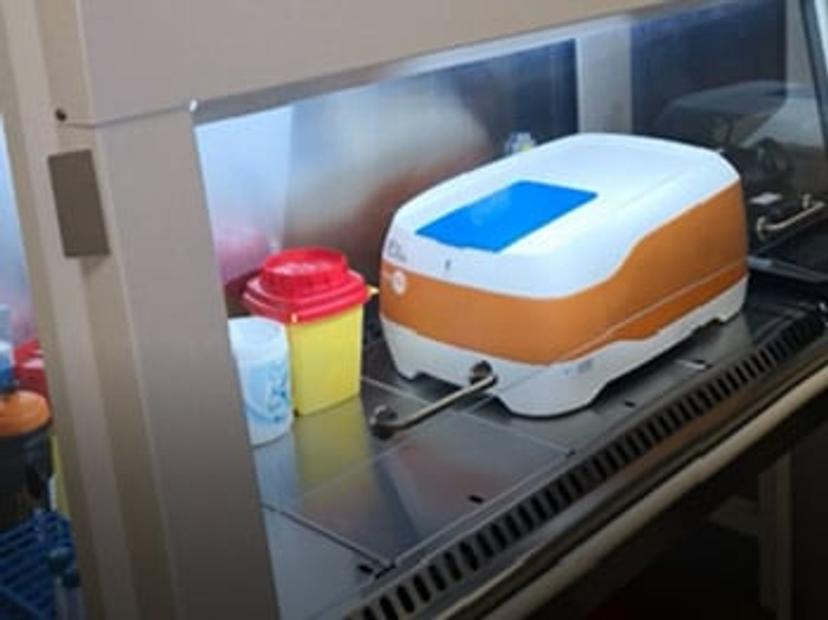
JB-M: This is a really important point. From the onset of the pandemic, we were concerned about the potential infection of our laboratory technicians and researchers managing COVID-19 samples. But by placing the device inside the safety hood, you have no problems. We had wonderful results with the instrument inside a safety hood and our lab technicians could work comfortably with no safety issues. This was one of the major advantages that led me to use a single-plex technique for COVID-19 research. Safety is first when you want to work with this virus.
Q: What about the translational applications of your research?
JB-M: Using Ella, you have a nice platform to identify biomarkers in a very fast manner. Interferon gamma-induced protein 10 (IP-10), for example, could be an indirect marker of viral replication and may be useful during clinical trials testing anti-virals. IP-10 could be a good indicator that viral replication is not under control and so you could select patients to be treated with anti-virals based on IP-10 levels. The results regarding IL-6 are also interesting because you have drugs like Tocilizumab that can be used to modulate IL-6 activity. Finally, for PDL1, it will be important to confirm if there is a pathological implication because we have treatments to try to modulate this molecule. This is a small number of examples of translational applications of our findings.
SelectScience runs 10+ webinars a month across various scientific topics, discover more of our upcoming webinars>>
Related products
Request Quote for All Products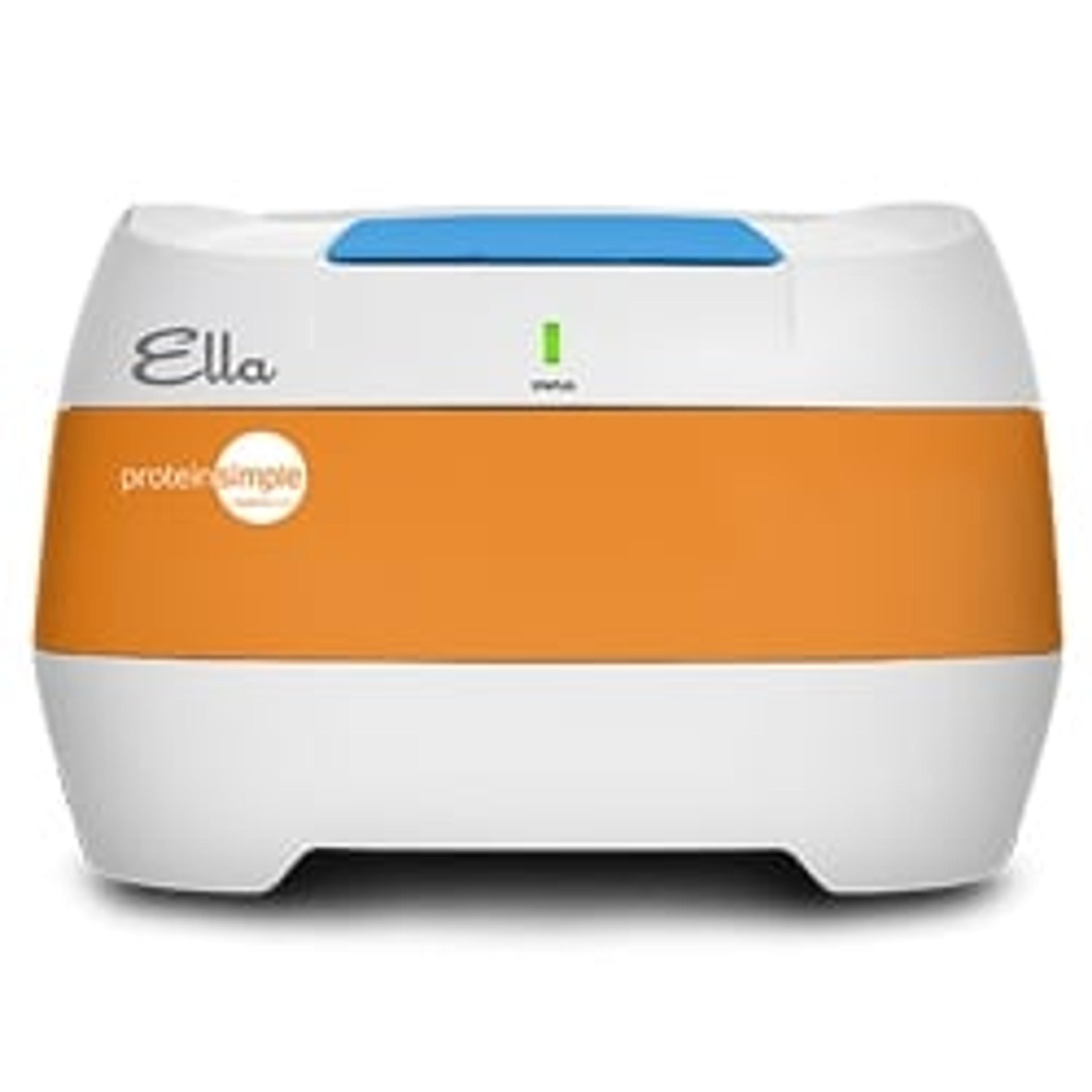
Ella Automated Immunoassay System
Bio-TechneElla is an automated ELISA platform that fits right on the benchtop of any laboratory. Ella simplifies multiplexing and presents consistent biomarker detection in less than 90 minutes, using only 25 µL of sample, and generating triplicate data, offering more flexibility than other instruments within the immunoassay space.