Premier Range of Image Capture Systems and Analysis Software being Demonstrated on Syngene Stand A16 at Hall 009, Biotechnica 2009

28 Sept 2009
Sarah Sarah
Marketing / Sales

Product news

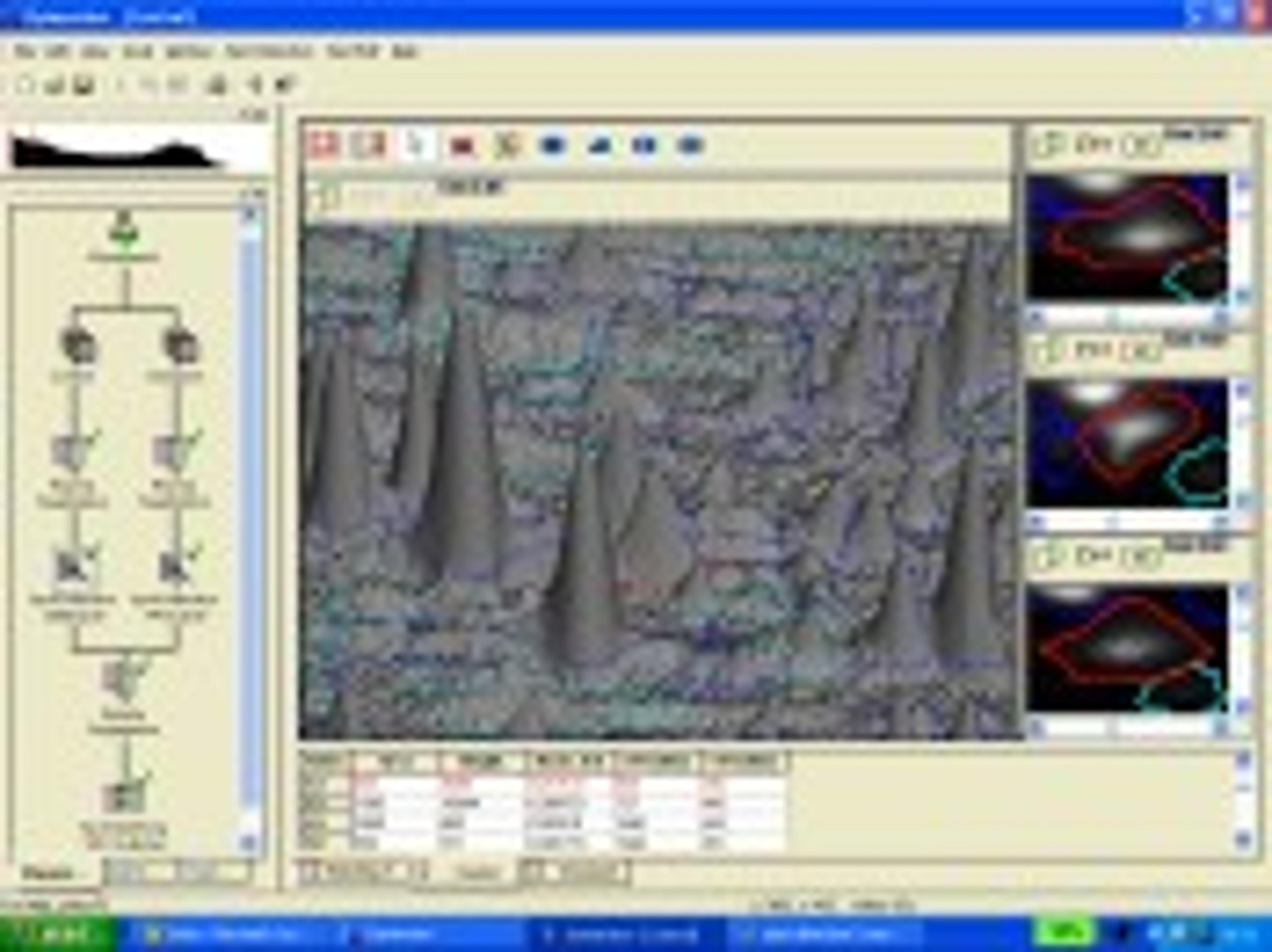
Syngene is showcasing Dyversity, its automated 2D gel imager and Dymension, its next generation 2D gel image analysis software on Stand no A16 at Biotechnica 2009. This will allow scientists to see that Dyversity and Dymension perfectly complement each other, to produce accurate 2D gel imaging and analysis results more rapidly than any other commercial systems currently available.

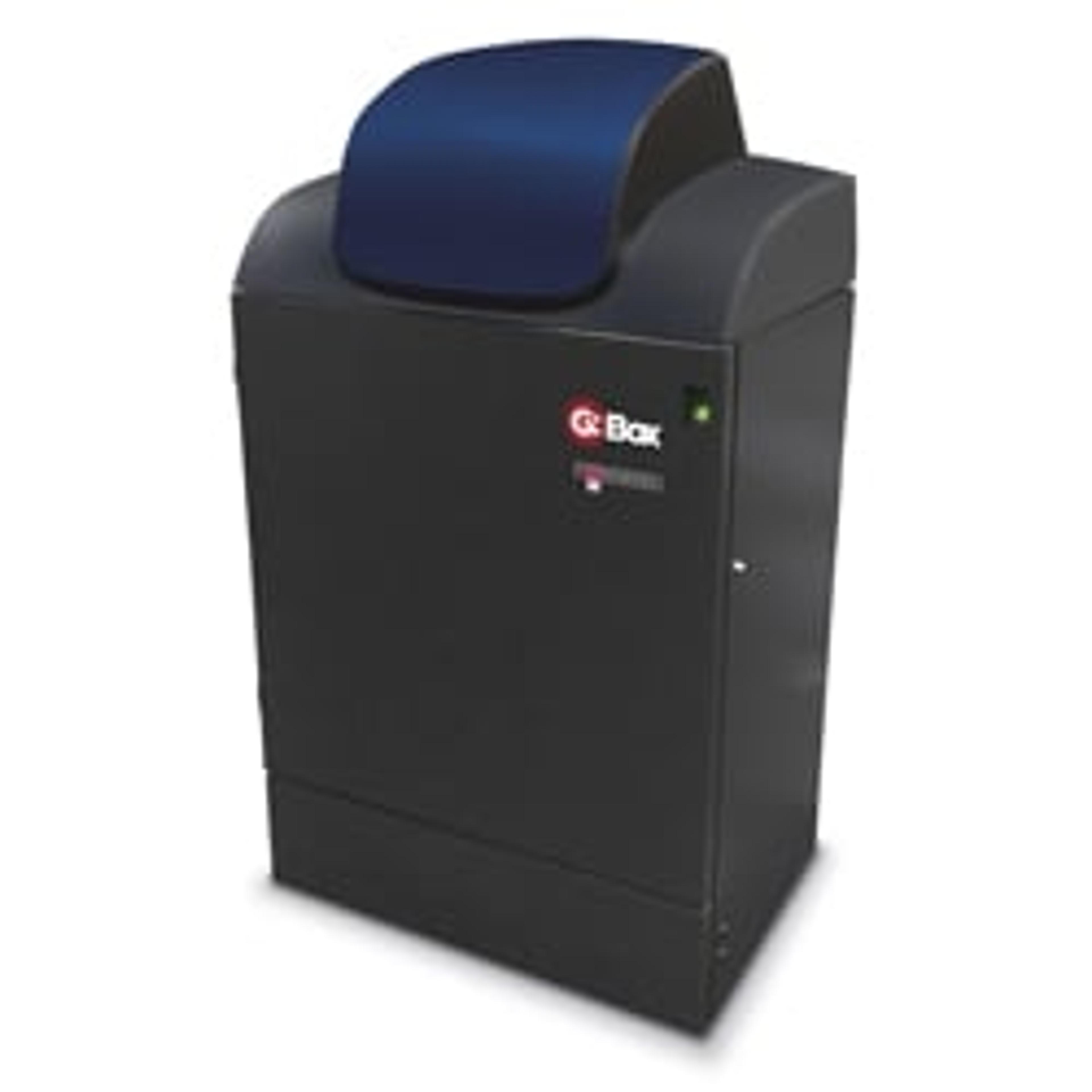
Syngene will also be demonstrating its new G:BOX range of gel documentation and analysis systems. G:BOX can be used for all fluorescence and chemiluminescence applications and is available in a range of standard configurations for typical sample types. As it is of modular design, the system can also be tailored specifically to the scientist’s needs by selecting from a range of cameras, lenses, filters and lighting options.

ProtoCOL 2 automated colony counting and zone sizing system with unique high definition imaging is also being unveiled at this year’s show. ProtoCOL 2’s unique lighting method illuminates the plates in three different colours. The system’s camera captures each image and integrates them in seconds to generate high definition, life-like images. This enables precise counts of difficult to see colonies and accurate measurements of zones with indistinct edges.

Also being introduced is Syngene’s ChromaScan range of cost-effective automated TLC plate readers for rapid, accurate documentation and analysis of non-radioactive TLC plates.

Visit stand no A16 to find out more about this exciting range of products.
Links

Tags

Flash ChromatographyFlash chromatography is a fast-preparative column chromatography technique used for separation and purification of liquid analytes. Flash chromatography systems use small silica gel particles for separation and a pressurized gas for driving the solvent through the column or pre-packed cartridge. Find the best flash chromatography equipment in our peer-reviewed product directory: compare products, check customer reviews and receive pricing direct from manufacturers.Fluorescence SpectroscopyFluorometers and spectrofluorometers (also called fluorescence spectrometers) are used to measure the intensity and wavelength of fluorescent light emitted from a sample after excitation by illumination. Spectrofluorometers utilize monochromators to select the desired wavelengths, whereas filter fluorometers employ a set of filters. Spectrofluorometers for measuring steady-state fluorescence and lifetime fluorescence (or time-resolved fluorescence) are available, as well as fluorescence microscopes and microplate readers. Find the best fluorescence spectroscopy products in our peer-reviewed product directory: compare products, check customer reviews and receive pricing direct from manufacturers.Gel Doc / Image AnalysisGel documentation (gel doc) or gel imaging systems are used for the analysis of proteins, antibodies and nucleic acid immobilized in polyacrylamide or agarose gels, membranes or microarrays. Explore a range of a gel imaging systems, densitometers, scanners, transilluminators or UV lamp + CCD cameras for your image analysis solutions. Colorimetric, fluorescent and/or radioisotopic samples can be visualized and documented for further analysis. See gel doc / Image analysis software for quantitative 1D and 2D analysis of your samples. Find the best gel doc / image analysis products in our peer-reviewed product directory: compare products, check customer reviews and receive pricing direct from manufacturers.MicrobiologyMicrobiology is the study of microorganisms including protists, prokaryotes, fungi, and, often, viruses. Microorganisms are a useful research tool as genetic vectors and, in immunology, for antibiotic susceptibility testing, cellular biology and genetics. Microorganisms commonly grow readily in incubators with microbial culture media; this can contain chromogenic supplements to differentiate between cell lines. Estimate your culture’s density of microorganisms with colony counters, or screen and select colonies for desirable clones with automated colony pickers. Additionally, equipment is available to monitor environments for the presence of microbes and identify with microbial identification instruments. Find the best microbiology products in our peer-reviewed product directory: compare products, check customer reviews and receive pricing direct from manufacturers.