Precise Imaging of Stain-Free Protein Gels

13 Jan 2017

Emily Adam
Publishing / Media

Product news

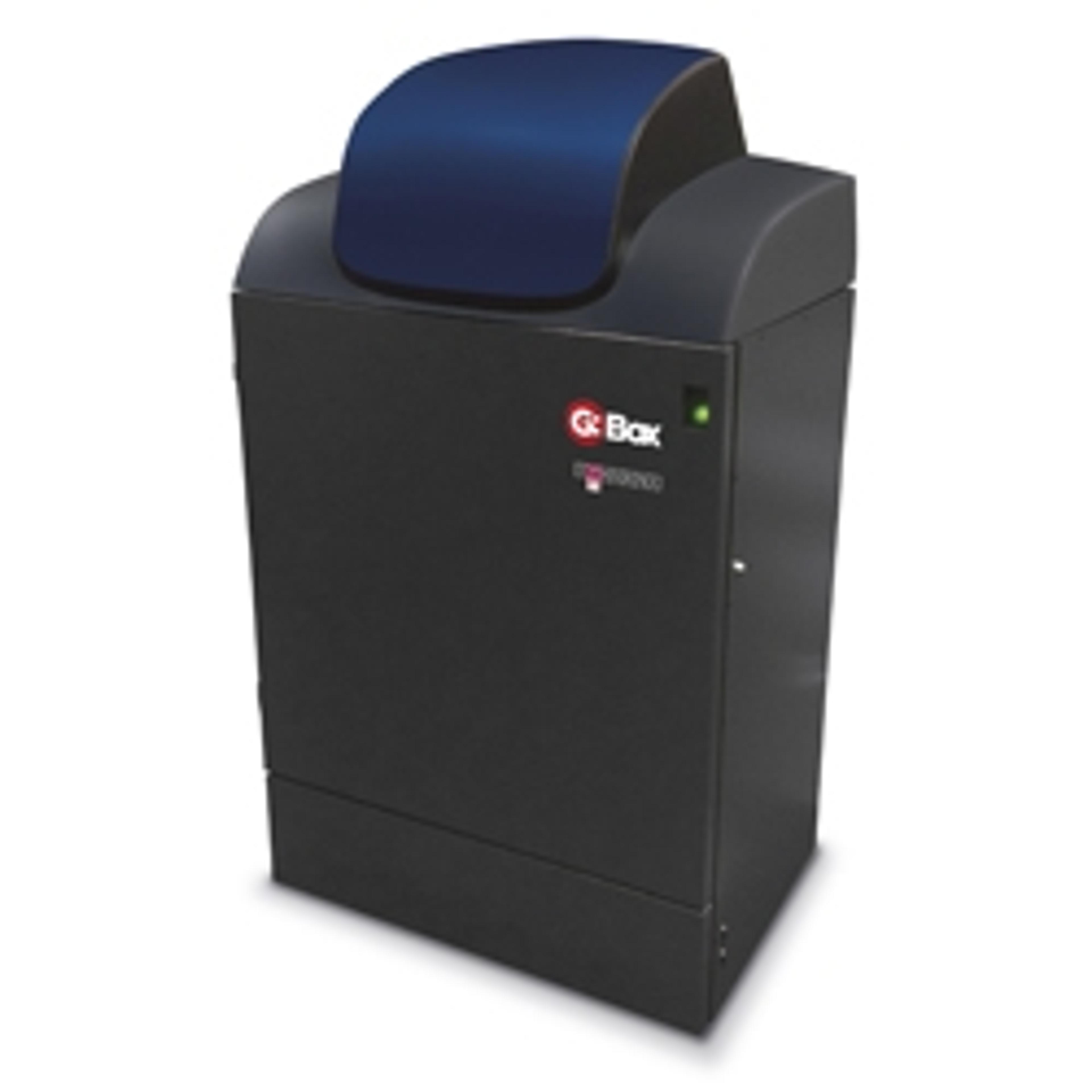
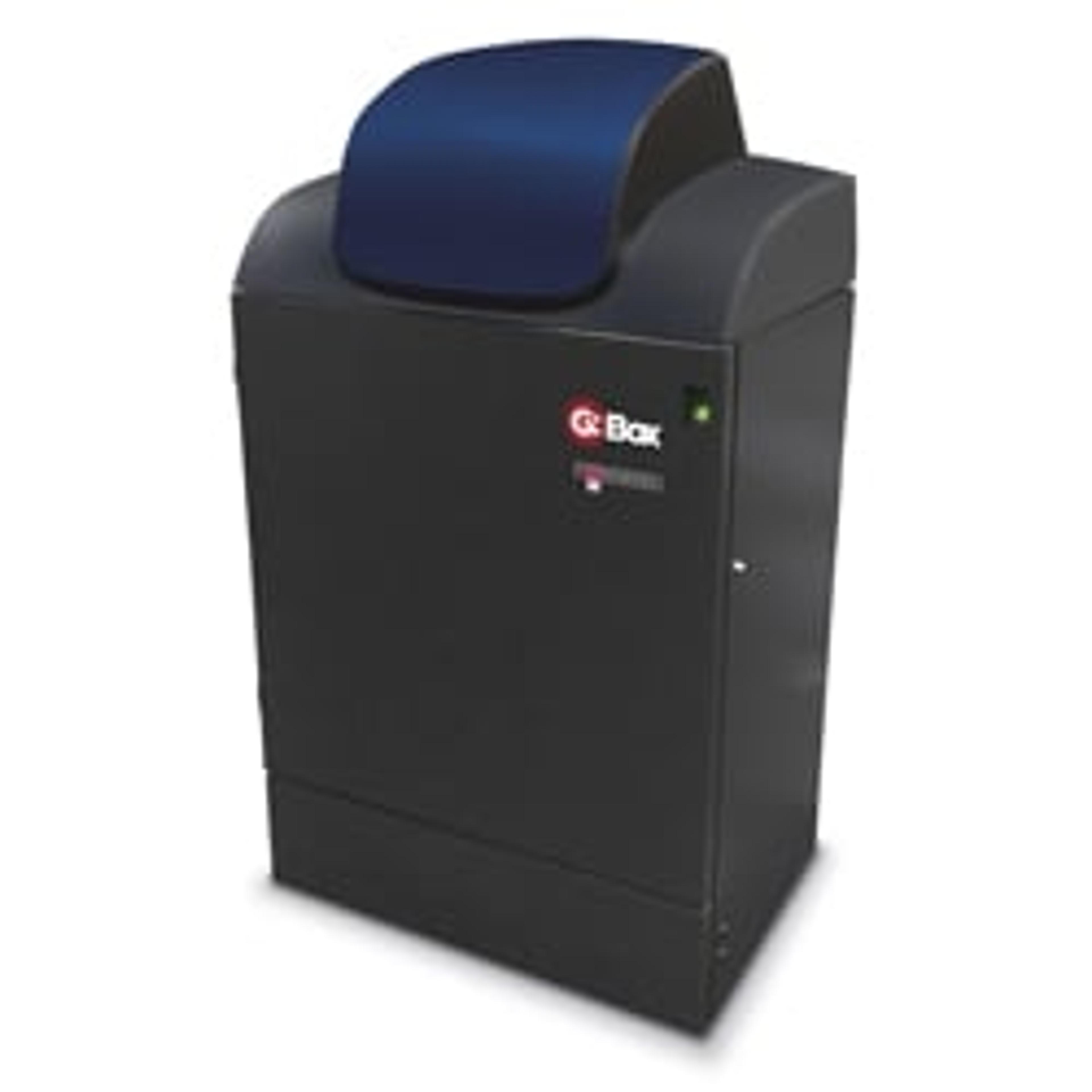
Syngene, a world-leading manufacturer of image analysis solutions, is delighted to announce its GeneSys software has been upgraded to include an icon of pre-set optimized “stain-free” protein gel imaging conditions. This simple to use software, available to download free of charge to existing users of specified Syngene imaging systems, will save set-up time and ensure accurate stain-free protein gel images every time.

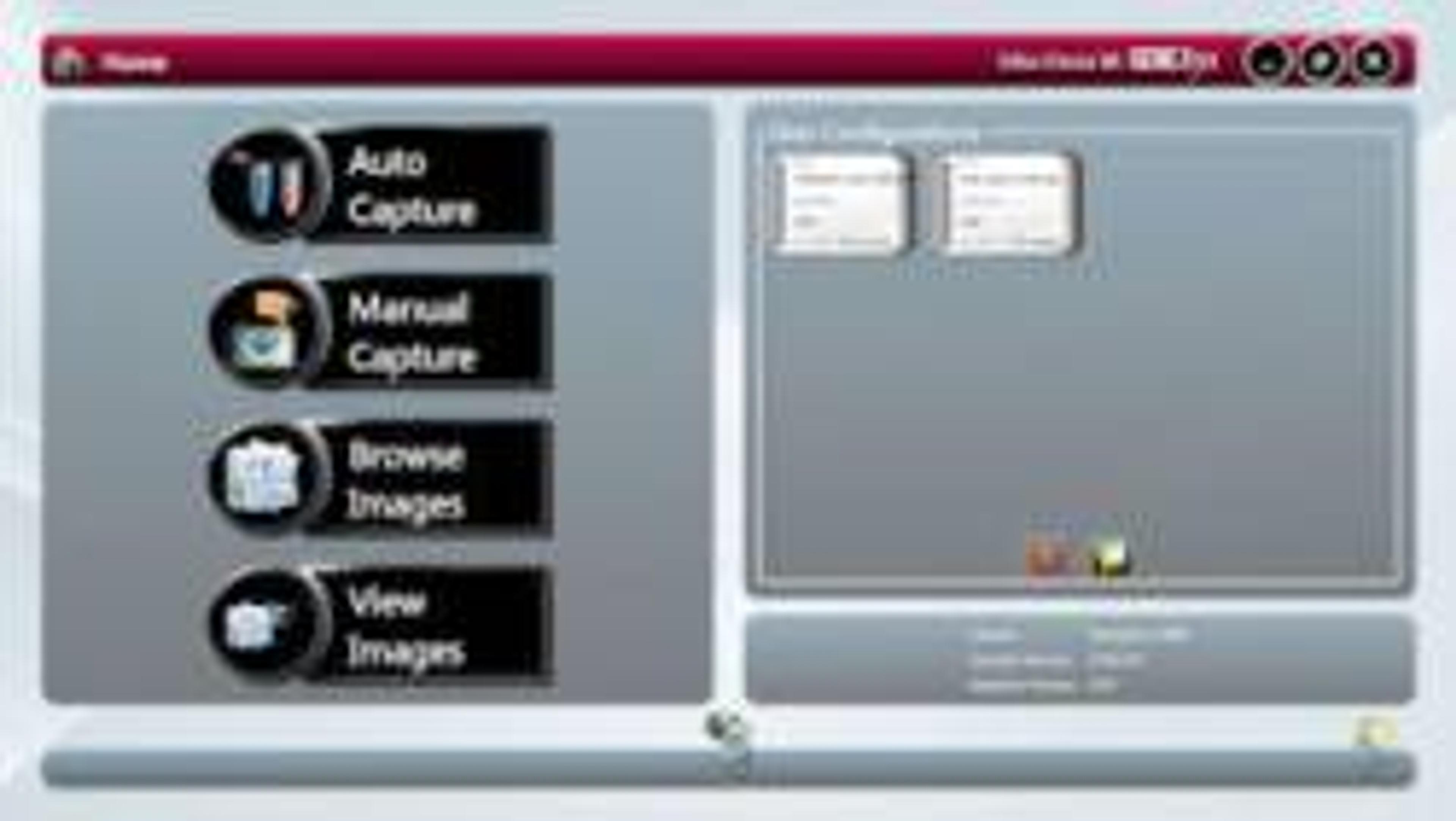
For use in Syngene’s G:BOX Chemi and PXi imaging systems, the new GeneSys software now includes a “stain-free” imaging icon. The icon has been set up using optimum filter and lighting conditions that Syngene’s technical specialists have determined can accurately detect nanogram levels of protein on a Stain-Free gel. Using this new software, TGX Stain-Free™ and Criterion™ TGX Stain-Free™ precast gels can be rapidly imaged, saving researchers the time and effort of looking up recommended detection conditions, as well as gel staining preparation time.

The new software version maintains its excellent user-friendly features including guiding scientists through protocol set-up using its database of imaging conditions for hundreds of commercially available dyes and stain-free options. This allows users of Syngene’s high specification imaging systems to visualize dyes such as Coomassie Blue, GelGreen™, SYBR® Gold, SYBR® Safe and SYPRO® Ruby. The software calibrates to each gel or blot’s size to generate high-quality images. For faster image capture, GeneSys also has a unique researcher ‘protocol save’ capability enabling one-click recall of frequently used settings.
Links

Tags

Gel Doc / Image AnalysisGel documentation (gel doc) or gel imaging systems are used for the analysis of proteins, antibodies and nucleic acid immobilized in polyacrylamide or agarose gels, membranes or microarrays. Explore a range of a gel imaging systems, densitometers, scanners, transilluminators or UV lamp + CCD cameras for your image analysis solutions. Colorimetric, fluorescent and/or radioisotopic samples can be visualized and documented for further analysis. See gel doc / Image analysis software for quantitative 1D and 2D analysis of your samples. Find the best gel doc / image analysis products in our peer-reviewed product directory: compare products, check customer reviews and receive pricing direct from manufacturers.Protein PurificationProtein purification is a vital step in drug discovery, therapeutics, biotech and life science research. The purification process typically involves subcellular or membrane protein extraction with cell lysis kits, separation of proteins from cell debris by filtration or spin columns, and the isolation of proteins of interest from other proteins and impurities with affinity purification (including fusion protein tags and antibody binding proteins A, G and L), immunoprecipitation or chromatographic methods, such as ion exchange, size exclusion and immobilized metal affinity chromatography. All purification methods come in multiple formats for your laboratory needs, including agarose or magnetic beads, resins, columns and filter plates. Find the best protein purification equipment in our peer-reviewed product directory: compare products, check customer reviews and receive pricing direct from manufacturers.Software PlatformsSoftware platforms are useful for various stages of laboratory experiments from data collection to data storage and processing. For instance lab software is available for system control, data management, data analysis and qualification / validation.Gel ImagingGel imaging captures high-resolution images of electrophoresis gels to analyze DNA, RNA, and proteins. Essential in molecular biology, this technique helps visualize results for accurate quantification and documentation. Discover top imaging systems and compare user-reviewed options in our directory.Protein BiologyThe analysis of protein expression, identity and function is vital for many areas of life science research and drug discovery. Some of the most commonly used techniques in protein analysis include Western blotting, electrophoresis and mass spectrometry.Protein DetectionProtein detection techniques are essential for understanding protein expression, localization, and function. Methods such as western blotting, ELISA, and mass spectrometry are commonly used in research and diagnostics. Browse our peer-reviewed product directory to find the best tools for protein detection, compare products, check reviews, and get pricing directly from manufacturers.