Polymer Analysis Part 1: Gel Permeation Chromatography
31 Oct 2014
Editorial article
Polymer samples contain a variety of polymer chains with different chain lengths and molecular weights. When synthesizing or analyzing polymers, these factors play a key role in determining the rheological properties of the polymeric material.
What is Gel Permeation Chromatography?
Gel-permeation chromatography (GPC) is used to determine the weight average molecular weight (Mw), number average molecular weight (Mn) and polydispersity index (PDI) of the polymer sample.1 This is performed using size exclusion chromatography (SEC), whereby the sample preparation is very important (see Top Tips, below). The technique involves a sample of the polymeric material being injected into a column that containing porous beads. The beads allow low molecular weight materials to enter the pores, which leads to the material exiting the column at a slow rate. The larger molecular weight materials cannot enter the pores of the beads and have a much quicker retention time. The eluting solvent (usually THF) can be analyzed continuously using a detector calculating the concentration by weight of the polymer.
Top Tips for GPC Sample Prep
Ensure sample is as clean and dry as possible.
Weigh out the correct amount of sample (approx. 2 mg).
Make sure standards are still valid.
Choose an appropriate solvent. Is your polymeric sample fully dissolved?
Filter sample before injection into GPC.
Molecular Weight Distribution
For analysis of polylactide (PLA), a biodegradable polymer, a polystyrene sample of a known molecular weight is used to calibrate the system. The retention time of the PLA sample can be compared to the calibration graph (response against retention time of standard), thus determining the molecular weights with respect to the standard (polystyrene). There are two main types of detectors available: concentration sensitive detectors and molecular weight sensitive detectors. Concentration sensitive detectors include UV absorption, differential refractometers (DRI), refractive index (RI) detectors, infrared (IR) absorption and density detectors. Molecular weight sensitive detectors include low angle light scattering detectors (LALLS) and multi angle light scattering detectors (MALLS).2
Polymer Branching
Triple detection comprises of a GPC instrument linked to a light scattering detector, a viscosity detector, and a concentration detector. Triple detection enables the determination of absolute molecular weight, intrinsic viscosity (IV) and branching. IV is a measure of how branched a polymer sample is, providing Mark Houwink-Sakurada parameters for similar molecular weight polymers are readily available for comparison. In solution, branched polymers exhibit a smaller hydrodynamic volume compared to linear polymers, as they are more compact. Experimentally, the degree of branching can be calculated by comparison to a known polymer of similar molecular weight, where g’ is a contraction factor. When g’ equals 1 the sample is linear.3
g’ = [IV]branched / [IV]linear
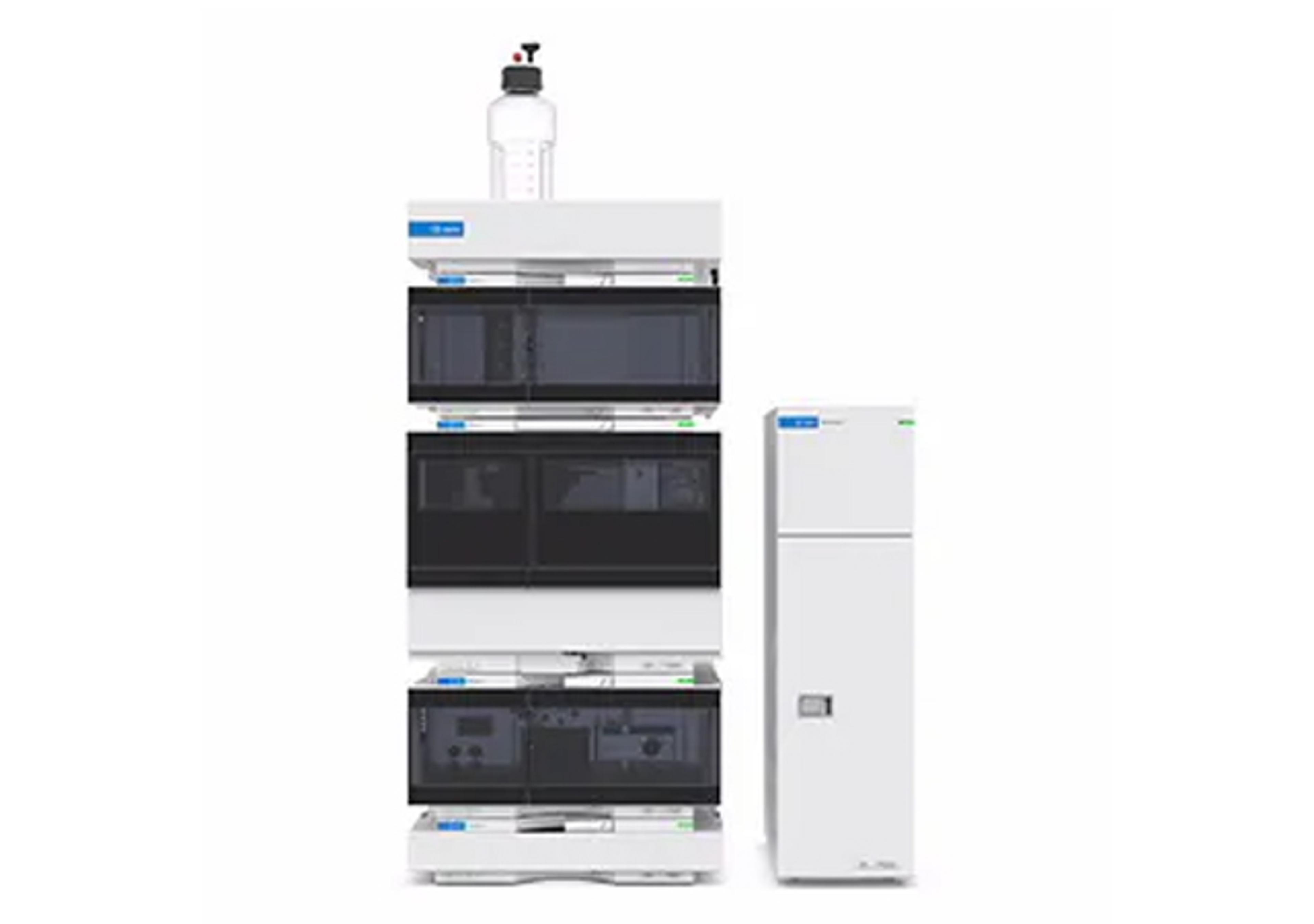
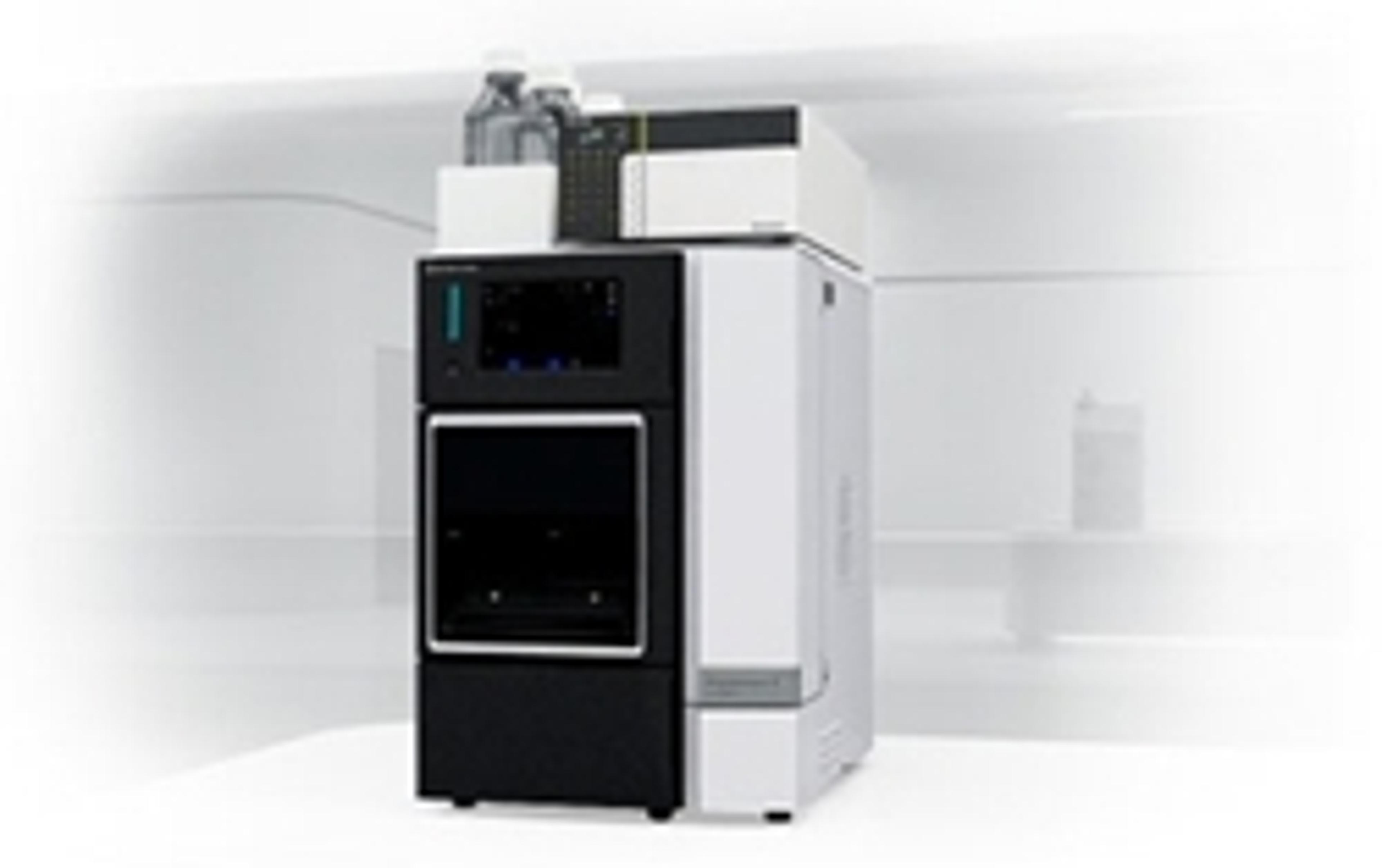
It is important to choose the right GPC/SEC instruments for your needs. Our editor's picks of five instruments can be seen below.
Editor's Picks: GPC Instruments
Viscotek SEC-MALS 20 - Malvern Instruments
Waters® ACQUITY ® Advanced Polymer Chromatography™ (APC™) System - Waters
EcoSEC GPC/SEC System - Tosoh BioScience
Agilent 1260 Infinity GPC-SEC Analysis System - Agilent Technologies
Prominence-i GPC System - Shimadzu
References:
1. Trathnigg, B.; Kollroser, M. J. Chromatogr. A 1997, 768, 223–238.
2. Trathnigg, B. Prog. Polym. Sci. 1995, 20, 615–650.
3. Pitet, L. M.; Hait, S. B.; Lanyk, T. J.; Knauss, D. M. Macromolecules 2007, 40, 2327–2334.