Pittcon 2016 Show Guide Highlights

4 Mar 2016
Alex Waite
Editorial Assistant

Editorial article


Next week, SelectScience® will be at Pittcon 2016 – the world’s leading annual conference and exposition on laboratory science, bringing you the latest news on science technology. Read on to learn about some of the exciting new technologies being showcased at the conference and read about the scientific program highlights in our interview with Program Chair Dr Chuck Gardner.

1. Following the State-of-the-Art Analytical Technologies at Pittcon 2016

SelectScience® spoke to Dr Chuck Gardner, Program Chair of Pittcon 2016, to find out his thoughts about the upcoming conference. Read more>>

2. MilliporeSigma to Launch New Products

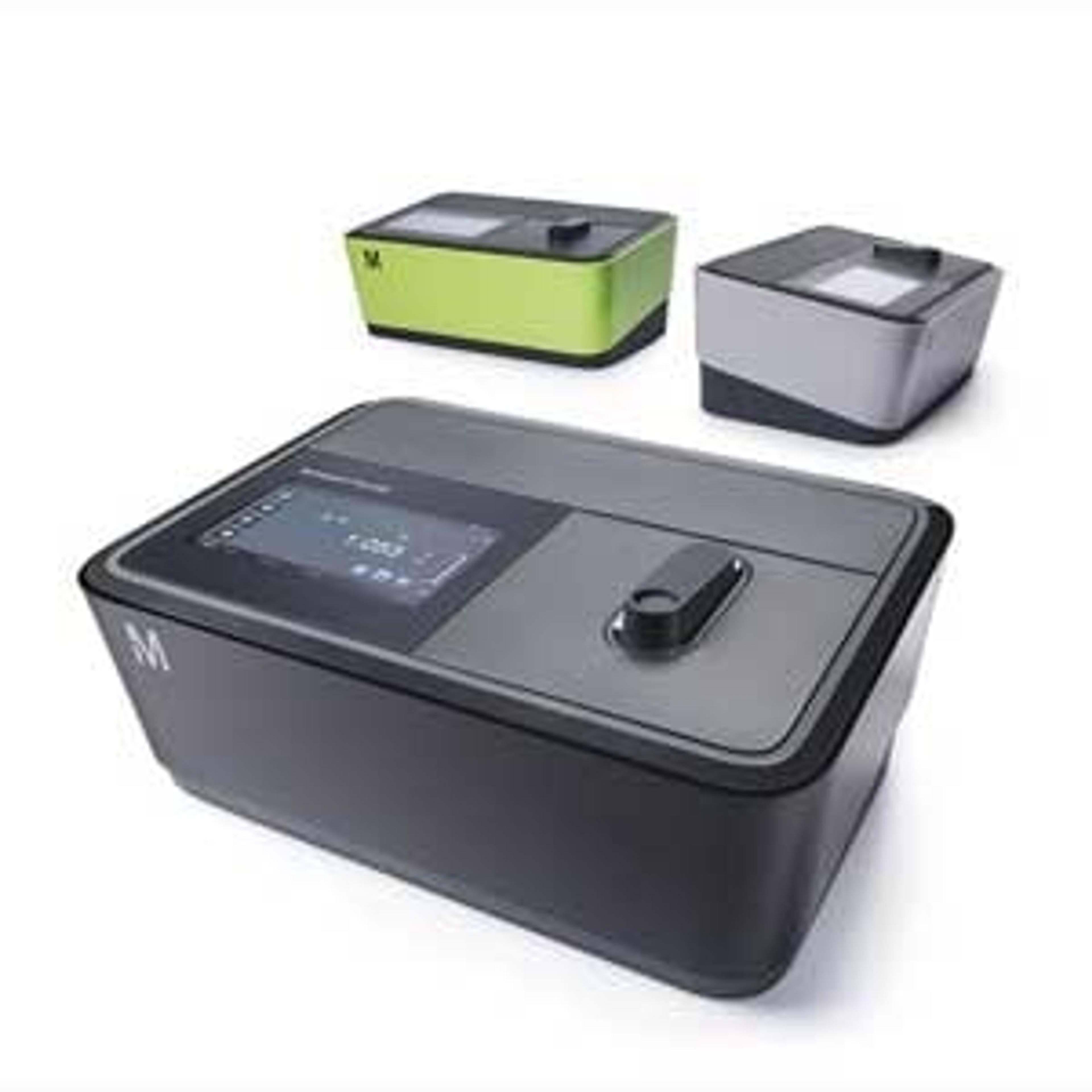
MilliporeSigma will showcase a range of new products at booth 3157for simplified and more accurate water analysis, including the Spectroquant® Prove and the Supel™ QuE Verde. Read more>>

3. NuAire Presents New Easy-Clean Centrifuge

Visit NuAire at booth 3357 for practical and dependable design solutions, best practices and product demonstrations. Learn why NuAire products are the safer choice for your lab. Read more>>

4. Discover New Products and the Range of Lab Water Purification Systems from MilliporeSigma

MilliporeSigma will showcase new products for analytical sample and protein prep, GC, LC and much more. Plus, visit the MilliporeSigma booth 3157 for the chance to win mobile gadgets. Read more>>

5. Discover The Pearl, the Liquid Transmission Analysis Essential

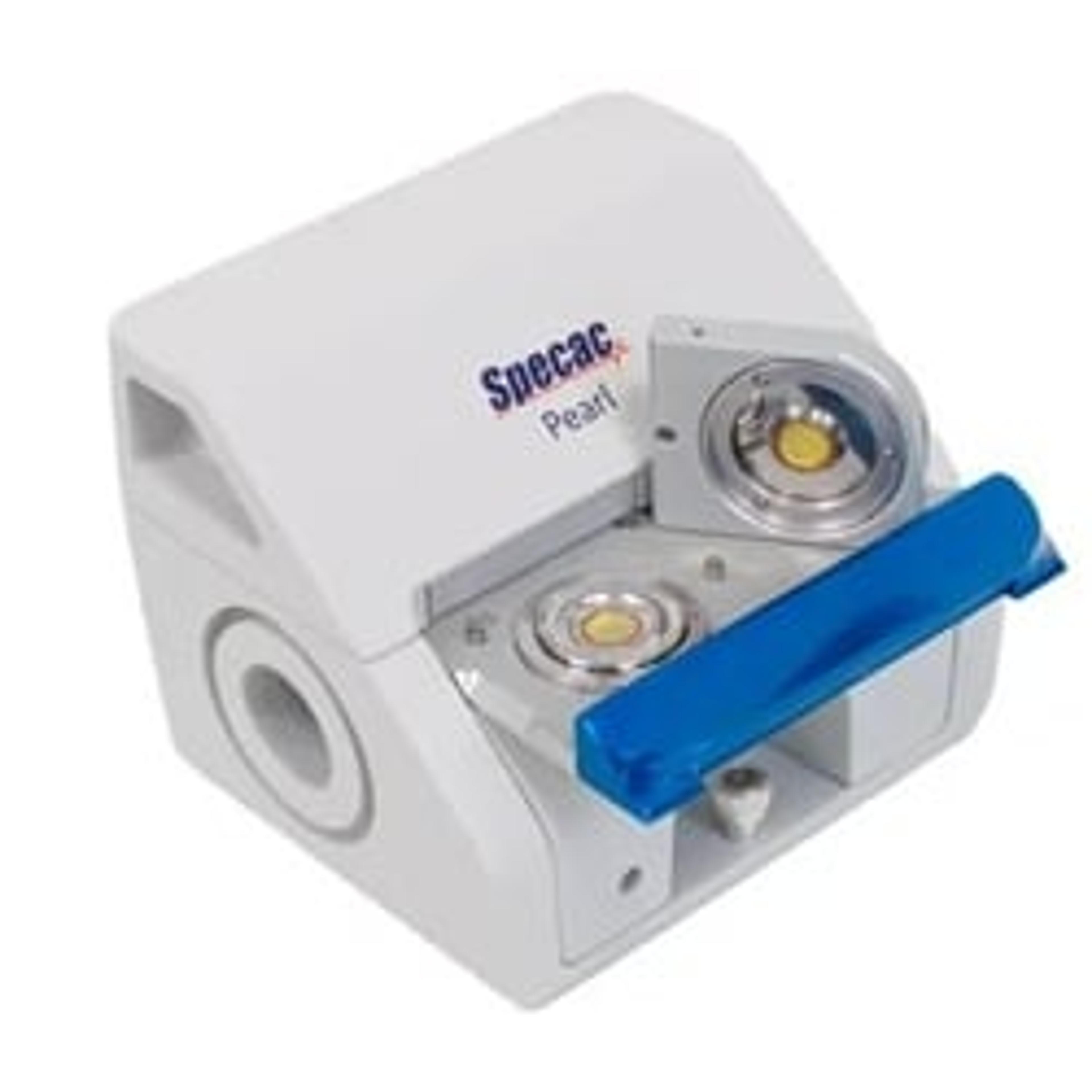
Specac has been manufacturing high quality FT-IR accessories for over 45 years. Meet the Pearl Liquid Transmission Accessory, Specac’s latest spectroscopy innovation for mess-free analysis, at Pittcon 2016 booth 3333. Read more>>

6. Vitl’s Pittcon 2016 Survival Guide

Read Vitl Life Science Solution’s tips for getting the most out of Pittcon 2016, plus visit Vitl at booth 4231 to see live demos and discover its products, including the new Ther-Mix Heated Laboratory Mixer. Download tips>>

Do you use any of the products being showcased at Pittcon2016? Is there a product you couldn't do without? Share your experiences with our worldwide community and write a review today.

If you’re attending the conference, visit SelectScience® at booth 4145 to join us in announcing the winners of the 2016 Scientists’ Choice Awards® on March 8th at 4 pm. For the rest of the conference visit the SelectScience booth to enjoy free Wi-Fi and entertainment, as well as a chance to win a $200 iTunes voucher! If you can’t make the show, visit our Pittcon 2016 Special Feature to learn more about the events at Pittcon 2016.

Links

Tags

Gas ChromatographyGas chromatography (GC) is an analytical technique used to separate and quantitate mixtures of small and volatile compounds. Gas chromatographs or GC systems include components such as GC columns, detectors, pumps and autosamplers. Choose from packed or capillary GC columns, flame ionization (FID), photoionization (PID) electron capture detectors and selective or non-selective detectors. Find the best gas chromatographs in our peer-reviewed product directory: compare products, check customer reviews and receive pricing direct from manufacturers.Ion ChromatographyIon chromatography, also known as ion exchange chromatography, is a high-performance liquid chromatographic technique used for the separation and identification of ions or polar molecules in a sample, including proteins, nucleotides and amino acids. Equipment includes ion exchange columns, ion exclusion columns, ion chromatography systems, pumps, and detectors. Find the best ion chromatography equipment in our peer-reviewed product directory: compare products, check customer reviews and receive pricing direct from manufacturers.LC-MSLC-MS (liquid chromatography-mass spectrometry) systems and equipment are used for separation and quantitative analysis of complex mixtures, combining liquid chromatography and mass spectrometry. Quantify proteins, contaminants, pesticides or screen for drug metabolites with a high level of sensitivity. LC-MS systems and equipment include reverse phase, normal phase and specialized columns integrated with various MS detectors such as time-of-flight (TOF), quadrupole, orbitrap or ion trap mass analyzers. LC-MS/MS instruments equipped with a qTOF or triple quadrupole analyzer give greater sensitivity and resolving power to your analysis. Find the best LC-MS equipment in our peer-reviewed product directory: compare products, check customer reviews and receive pricing direct from manufacturers.MicroplatesMicroplates are multi-well plates used to increase the throughput of biological investigations. The number of wells microplates contain can range from 6 to 3243 wells, with the 96-well format being the most commonly used. Microplates can come tailored for a range of applications including cell culture, PCR, filtration, storage, non-binding surface, protein crystallization, as well as pre-coated, deep well and normal Standard microplates. Additionally, options for microplate colors include clear , black, white or black with clear bottom and white with clear bottom for absorbance microplate reader applications. Find the best microplates for your lab in our peer-reviewed product directory: compare products, check customer reviews and receive pricing direct from manufacturers.ProteomicsProteomics is the systemic bioinformatics study of proteins and amino acids, including their structure, size, function and identification. Tools used in proteomics include chromatography, blotting and gels, protein arrays, mass spectrometry and ELISA and associated analysis software. Analyzers and proteomic systems should be sensitive, high resolution, fast and may be automated for high-throughput.Pipettes and DispensersPipettes and dispensers are essential lab equipment used to dispense measured volumes of liquid accurately. Explore a range of manual and electronic pipettes, including single and multichannel, serological and volumetric pipettes, as well as a range of pipette tips. Bottle-top dispensers are also available for simple and fast solvent dispensing. Find the best pipettes & dispensers in our peer-reviewed product directory: compare products, check customer reviews and receive pricing direct from manufacturers.Labware and Lab SuppliesLabware and lab supplies include various forms of glassware, plasticware, reagents and personal protective equipment (PPE) and are used across all scientific laboratories, enabling daily tasks to be performed. Explore a range of flasks and beakers, petri dishes, carboys and storage bottles. Labware such as condensers, desiccators and burettes are also available for more specific tasks. Find the best labware and lab supplies in our peer-reviewed product directory: compare products, check customer reviews and receive pricing direct from manufacturers.Microplate Readers / DetectorsMicroplate readers are used to automate the detection and analysis of labeled or label-free components in microplates during assays or live-cell monitoring. Microplate readers are generally distinguished by their mode of detection. Types include absorbance, luminescence, fluorescence intensity, fluorescence polarization, TRF / FRET and multimode microplate readers. Microplate readers deliver a high throughput of samples by reading multiple wells simultaneously, with the 96-well format the most commonly used. As a result, microplate readers are often used in the drug discovery, bioassays, research and pharmaceutical industries for screening applications. Microplate loading can also be automated, with robotic microplate stackers to increase throughput. Find the best microplate readers in our peer-reviewed product directory: compare products, check customer reviews and receive pricing direct from manufacturers.CentrifugesCentrifuges are used to separate particulates suspended in a liquid via the application of a centrifugal force including cells, macromolecules, nanoparticles and precipitates. Centrifuges come in three sizes: microcentrifuges, benchtop and floor-standing centrifuges, depending on the volume and number of samples that require separation. When choosing a centrifuge, consider its maximum separation power indicated by its relative centrifugal force (RCF) value. Low force centrifuges reach a maximum RCF of 8,000 g, high-force centrifuges can reach maximum RCF values of 80,000 g. For extremely high forces, consider ultracentrifuges (up to 800,000 g). Refrigerated and vacuum centrifuges also known as concentrators are available for more specialized applications. A range of volumes are available for centrifuge tubes and microfuge tubes, depending on sample sizes. Find the best centrifuges in our peer-reviewed product directory: compare products, check customer reviews and receive pricing direct from manufacturers.Sample ManagementSample management systems include sample storage devices such as freezers and plate storers, sample environment enclosures and sample organization, retrieval and sorter systems. Useful system features include high-throughput, automation, robotic arms, automated liquid handling and associated database systems. Accessories in sample management include barcode scanners, heat sealers and tubes.Protein PurificationProtein purification is a vital step in drug discovery, therapeutics, biotech and life science research. The purification process typically involves subcellular or membrane protein extraction with cell lysis kits, separation of proteins from cell debris by filtration or spin columns, and the isolation of proteins of interest from other proteins and impurities with affinity purification (including fusion protein tags and antibody binding proteins A, G and L), immunoprecipitation or chromatographic methods, such as ion exchange, size exclusion and immobilized metal affinity chromatography. All purification methods come in multiple formats for your laboratory needs, including agarose or magnetic beads, resins, columns and filter plates. Find the best protein purification equipment in our peer-reviewed product directory: compare products, check customer reviews and receive pricing direct from manufacturers.Robotic InstrumentsRobotic instruments can be used for high-throughput automation of many lab processes. Such processes use instruments for assays like cell based assays and ELISA, for sample preparation like shakers, centrifuges and incubators, and for analysis such as sequencing and western blot analyzers. Useful features of robotic instruments include speed, reproducibility, barcode readers, software and automation.Automation Supplies / AccessoriesAutomated accessories and consumables make lab processes fast, efficient and reliable. Useful automation accessories include microplate sealers, label printers and reagent reservoirs.Automated Liquid HandlingAutomated liquid handling equipment is used to mix, dilute and dispense allotted volumes of liquid into microplates and other vessels automatically. The robotic, liquid handling arms can dispense from single channel to 3456 multichannel as well as operate nanoliter dispensing, enabling high throughput of samples. Find the best automated liquid handlers in our peer-reviewed product directory: compare products, check customer reviews and receive pricing direct from manufacturers.GC-MS GC-MS (gas chromatography-mass spectrometry) instruments and equipment are used to separate, quantify and identify mixtures of small and volatile compounds, such as polycyclic aromatics, fatty acids and alcohols. Often used in drug detection, forensic investigation and environmental analysis for pesticides and contaminants, GC-MS is a powerful addition to your lab’s analytical capabilities. GC-MS/MS instruments equipped with a qTOF or triple quadrupole analyzers can give greater sensitivity and resolution to your analysis. Find the best GC-MS instruments and equipment in our peer-reviewed product directory: compare products, check customer reviews and receive pricing direct from manufacturers.
Pittcon 2016 Show Guide Highlights