
Partner with bioanalytical MS/MS experts to overcome biomarker assay challenges
Discover how Alturas Analytics offers LC-MS/MS and GC-MS/MS bioanalytical services that support drug developers and enables them to gain a competitive edge in the marketplace
19 Dec 2023

Biomarker analysis is an essential component of drug discovery and development as it enables personalized treatments based on individual patient needs. Biomarkers provide vital insights into health status, disease mechanisms, and drug-patient interaction. Monitoring biomarker changes during treatment helps identify the patients who will benefit most from a particular drug, leading to safer, more effective therapies, and cost and time savings.
Quantitative mass spectrometry techniques such as liquid and gas chromatography-tandem mass spectrometry (LC-MS/MS, GC-MS/MS) are fundamental techniques used in biomarker analysis. These tools produce highly detailed and quantitative data on endogenous molecules, providing comprehensive insights. However, the development of accurate, precise, and reliable assays presents challenges that may impede the drug development progress.
Alturas Analytics offers customized MS/MS bioanalytical services to pharmaceutical and biotechnology industries on a global scale, covering the entire drug development process, from the initial discovery phase to late-phase clinical trials. Ryan Schmich, Principal Scientist at Alturas Analytics, speaks with SelectScience about the importance of choosing the appropriate method for biomarker analysis. Schmich explores how Alturas Analytics' services play a vital role in tackling the challenges related to LC-MS/MS and GC-MS/MS bioanalytical assays.
LC-MS/MS vs GC-MS/MS – Which is the best option?
Alturas Analytics’ bioanalytical services utilise the power of LC-MS/MS and GC-MS/MS technology to measure biomarkers and assess the safety and efficacy of treatments. LC-MS/MS is an excellent analytical technique for measuring small organic compounds, including fatty acids. It offers high sensitivity and specificity, making it well-suited for quantifying a wide range of small molecules in biological samples. Researchers often use LC-MS/MS to analyze and quantify these compounds in various fields, including biochemistry, metabolomics, and lipidomics.
Choosing the appropriate technology is important for accurate biomarker quantitation. A significant portion of biomarkers are small molecules, which require highly sensitive and precise techniques.
Ryan Schmich Principal Scientist at Alturas Analytics
Schmich says, “Choosing the appropriate technology is important for accurate biomarker quantitation. A significant portion of biomarkers are small molecules, which require highly sensitive and precise techniques.” He continues, “at Alturas Analytics, the majority of our biomarker analysis is conducted by LC-MS/MS, which is known for its high sensitivity and precision. This makes it suitable for measuring a wide variety of small organic compounds, including fatty acids, amino acids, peptides, and various endogenous metabolites.”
Schmich also illustrates the benefits of using GC-MS/MS technology. “GC-MS/MS is generally a better option for small volatile organic compounds as they evaporate easily and may present challenges with solubility in liquids used for high-performance liquid chromatography-mass spectrometry/mass spectrometry (HPLC-MS/MS). Because GC-MS/MS uses a gas mobile phase to separate and analyze molecules, it avoids these issues. This technique is highly accurate, sensitive, and specific, offering the potential to achieve a lower limit of quantification (LLOQ) that cannot be attained through conventional methods.”
Navigate biomarker assay challenges with expert solutions
Developing accurate and reliable MS/MS biomarker assays poses several challenges. Firstly, assays must be sensitive enough to detect and quantify biomarkers accurately, even when they are present in very low concentrations. Obtaining precise quantification can be difficult, as matrices such as blood or urine contain a variety of other naturally occurring molecules that may suppress or enhance measurements, a phenomenon known as matrix interference. This means MS/MS methods must be highly selective to separate and quantify the target analyte from interfering compounds and must be able to detect changes in naturally occurring endogenous levels.
Selecting the appropriate matrix is critical for the accurate quantification of the biomarker of interest, free from interference by unwanted substances in the sample.
Ryan Schmich Principal Scientist at Alturas Analytics
Schmich explains, “Selecting the appropriate matrix is critical for the accurate quantification of the biomarker of interest, free from interference by unwanted substances in the sample. This matrix, utilized for calibrators and quality control samples, assists with establishing a reliable calibration curve to ensure assay accuracy. This facilitates effective chromatographic separation of potentially interfering compounds. Another challenge is defining an appropriate dynamic range for the assay to encompass the expected range of biomarker concentrations in the analyzed samples.”
Alturas Analytics has proven experience in effectively overcoming these bioanalytical challenges. Through their utilization of advanced MS/MS technology and their expertise, they can accelerate the drug development process and reduce expenses, thereby facilitating a faster path to commercializing new drugs. Schmich adds, “To circumvent common biomarker assay issues and enhance accuracy and reliability, Alturas Analytics often prepares calibration standards in a surrogate matrix and cross-validate quality control samples in the authentic matrix. The surrogate matrix, carefully designed to replicate the properties of the genuine biological matrix, often comprises a blend of phosphate-buffered saline and bovine serum albumin. This serves as a blank canvas for calibrators, ensuring the assay is sensitive enough to accurately measure low abundance biomarkers in real biological samples. Cross-validating in both matrices allows for adjustments to account for any matrix effects.”
Schmich further discusses the importance of considering a substitute component for precise quantification when the substitute differs notably from the original matrix in terms of solubility, recovery, and ionization. Such differences between matrices can impact method accuracy. However, accurately identifying the appropriate surrogate analyte alternative, such as an isotopically labelled analyte, presents challenges. This is because it is difficult as it should mimic the behavior of the target analyte, while upholding assay accuracy and reliability. This often entails extensive research and testing. Fortunately, Alturas Analytics uses its expertise in selecting surrogate analytes for biomarker assays, ensuring accurate quantification and streamlining the selection process, ultimately saving valuable time.
Fully validated and compliant assays
In most cases, Alturas Analytics performs full validations for biomarker assays and has several non-proprietary validated methods that are readily available for clients to utilize. The choice between full validation and fit-for-purpose validation depends on the specific objectives and intent of the results.
When conducting clinical studies at Alturas Analytics, we adhere to the principles outlined in the International Council for Harmonisation guidelines on Good Clinical Practice. This ensures that our research complies with international standards.
Ryan Schmich Principal Scientist at Alturas Analytics
Full validation is usually the preferred approach when the biomarker assay results will be used as primary endpoints in clinical studies, play a role in dose adjustments during drug development, or impact important decisions concerning patient responses. This comprehensive validation process involves meticulous testing, verification, and documentation to ensure the assay meets stringent quality and accuracy standards.
Fit-for-purpose validation is a pragmatic approach taken when the results are intended for a more specific and tailored purpose. In such cases, the validation process may be streamlined and customized to meet the precise needs of the study or application without compromising scientific rigor.
“Crucially, when conducting clinical studies at Alturas Analytics, we adhere to the principles outlined in the International Council for Harmonisation guidelines on Good Clinical Practice. This ensures that our research complies with international standards for the design, conduct, performance, monitoring, auditing, recording, analyses, and reporting of clinical trials. We also ensure that all diagnostic testing conducted in our clinical studies meets the requirements of the Clinical Laboratory Improvement Amendments, guaranteeing the highest standards in laboratory testing for patient care decision-making,” explains Schmich.
Biomarkers will unlock true personalized medicine
Integrating biomarker analysis into drug development marks a major stride toward personalized medicine. Schmich emphasizes that the shift in how we approach the treatment of diseases will revolutionize healthcare and lead to significantly improved patient outcomes. He says, “Identifying disease-associated biomarkers enables scientists to gain invaluable insights into the unique characteristics of each patient. This personalized insight enables the customization of treatment strategies, ensuring that patients receive interventions that are precisely suited to their individual condition, departing from the conventional one-size-fits-all models.”
Looking forward to the future, he concludes, “I ultimately hope that biomarkers will enhance therapy safety and effectiveness by identifying the patient populations most likely to benefit. This targeted approach minimizes the risks of ineffective treatments and adverse effects. Biomarkers also provide real-time feedback on treatment progress, enabling healthcare providers to make timely adjustments to treatment plans and optimize the patient's therapeutic journey.”
Related products
Request Quote for All Products
Pharmacokinetic and Toxicokinetic Analysis
Alturas AnalyticsAs a complement to our bioanalytical services, Alturas Analytics incorporates PK/TK reporting.
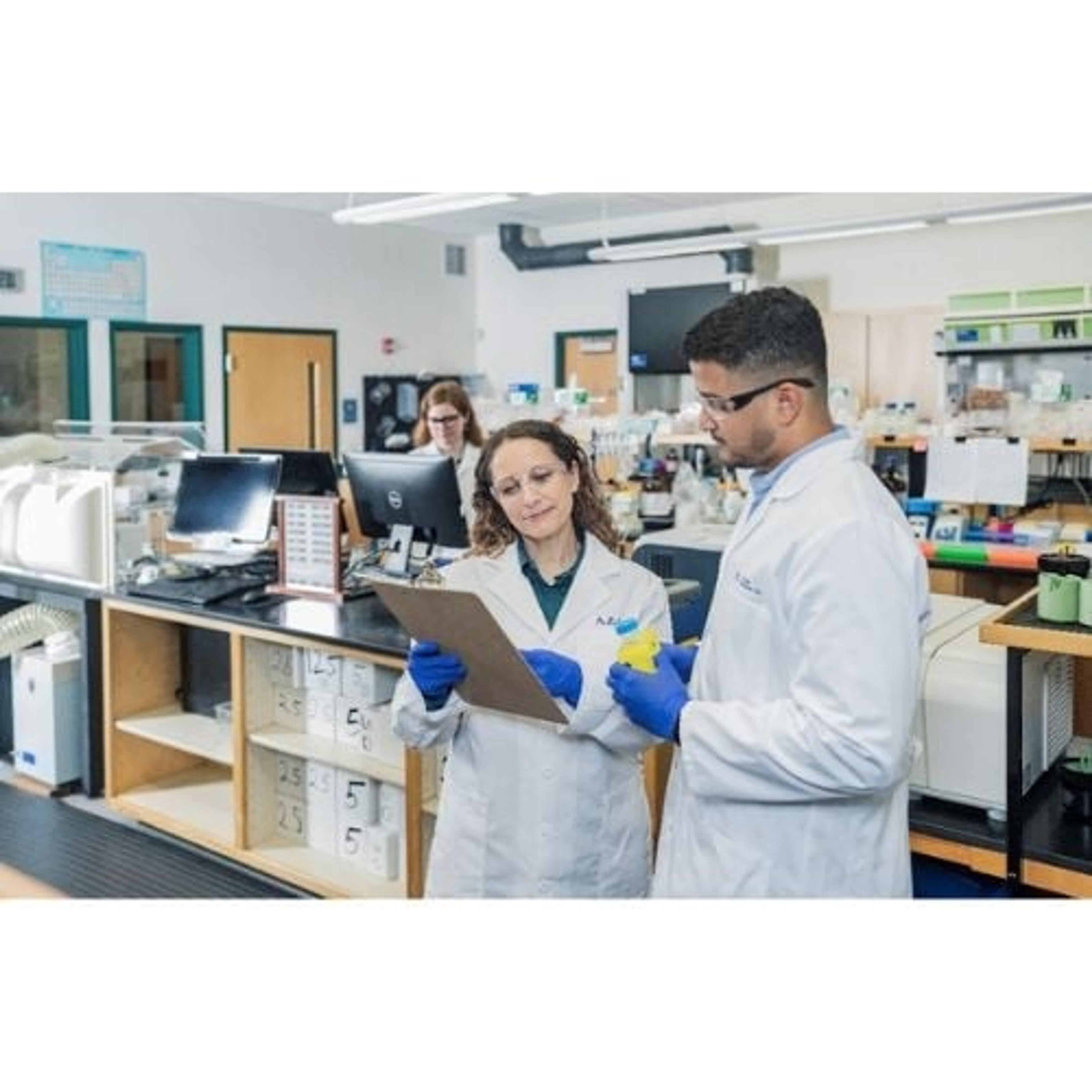
Method Development, Feasibility, and Validation
Alturas AnalyticsWe have earned a reputation as innovative problem solvers, with a successful history of addressing the challenges of working with biomolecules, prodrug instability, and multi-analyte assays.
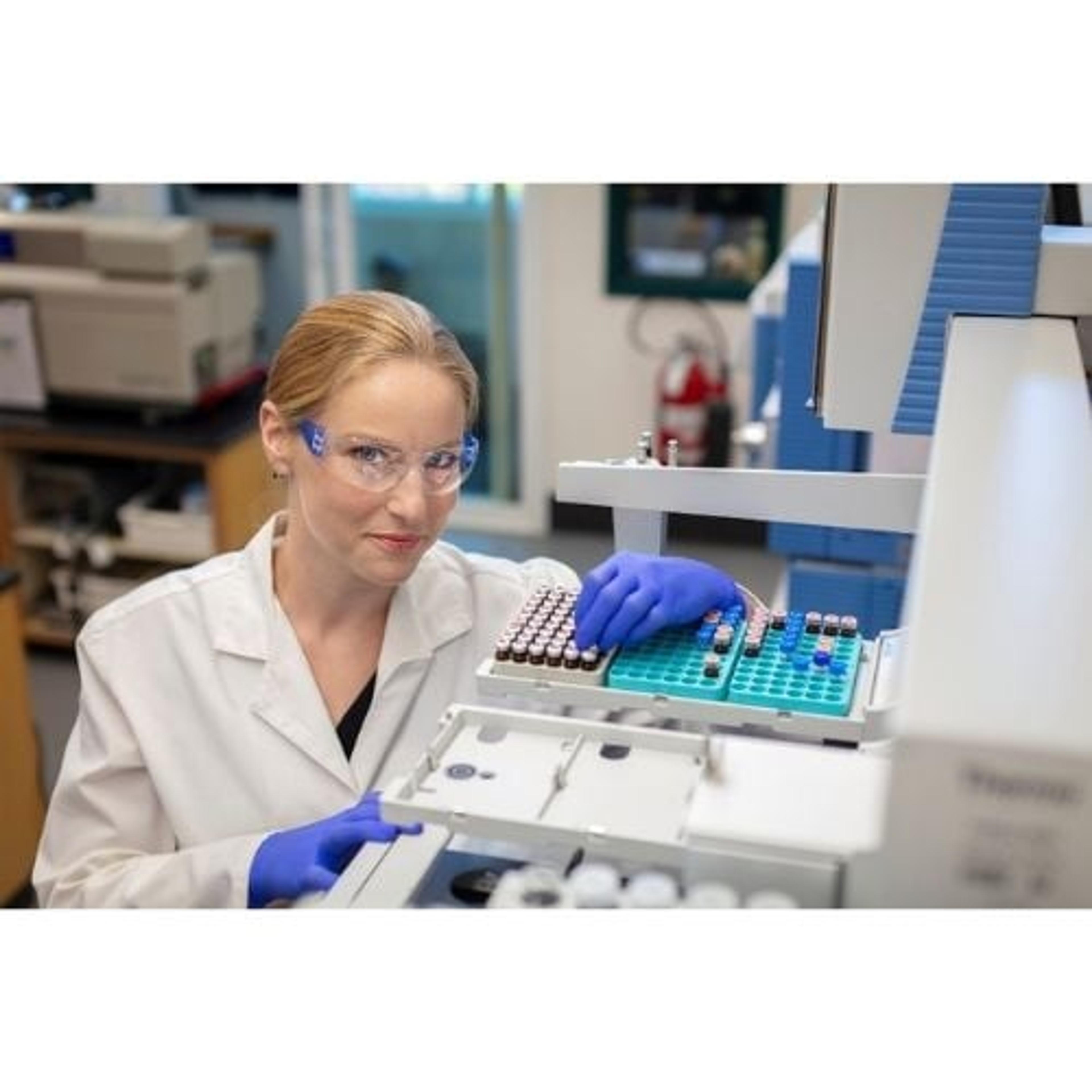
Bioanalytical LC-MS/MS and GC-MS/MS Sample Analysis
Alturas AnalyticsAlturas Analytics is a CRO specializing in preclinical and clinical bioanalysis