Olympus Introduces New Advanced Optical Modules for IX3 Series to Extend Flexibility and Performance in Live Cell Imaging
19 Aug 2013Product news
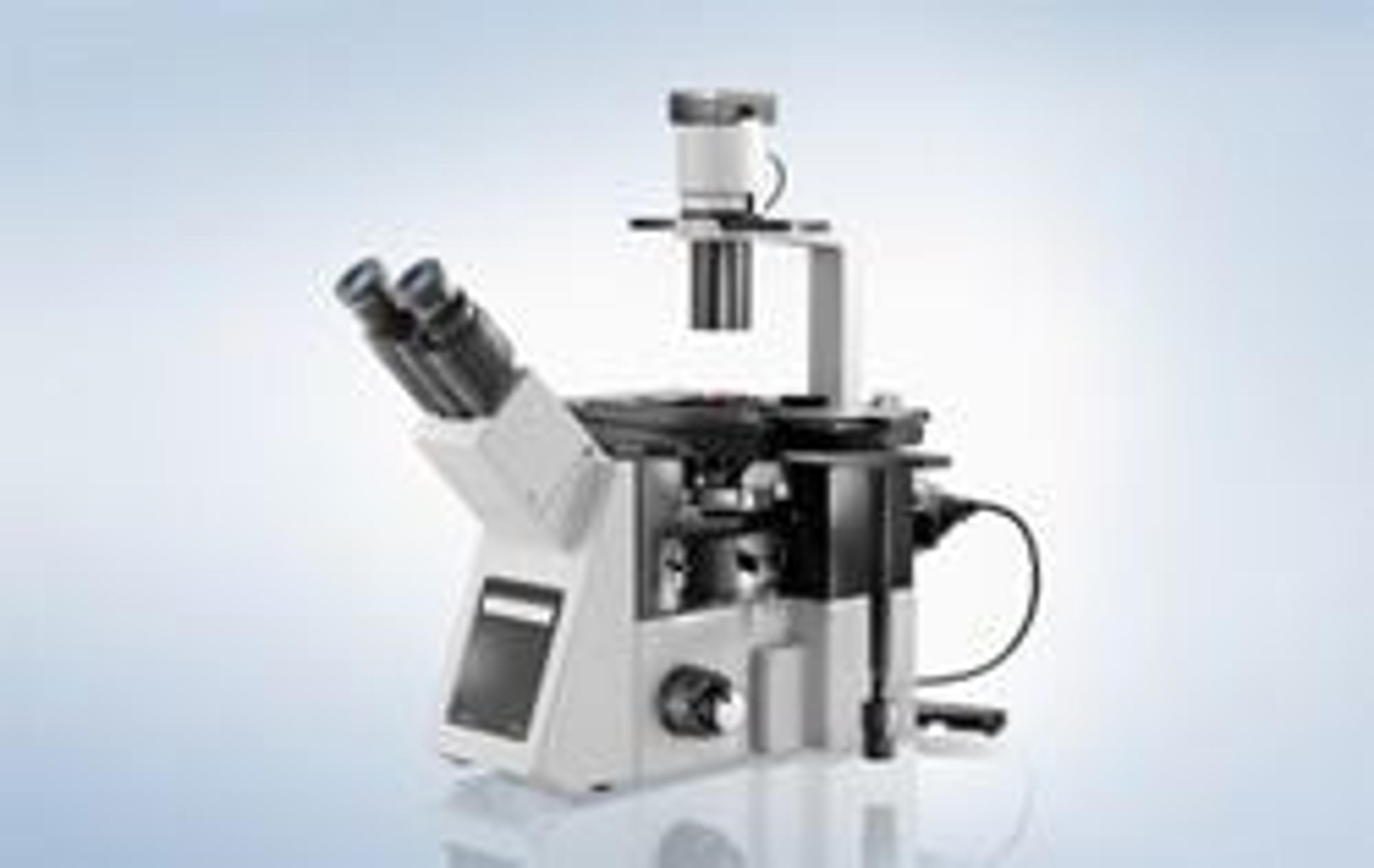
Olympus introduces new advanced optical modules for increased flexibility in its inverted microscope frame design. The IX3 series can now be further optimized for a wider range of live cell imaging applications including in vitro fertilization, with motorized functionality for accuracy and easy operation.
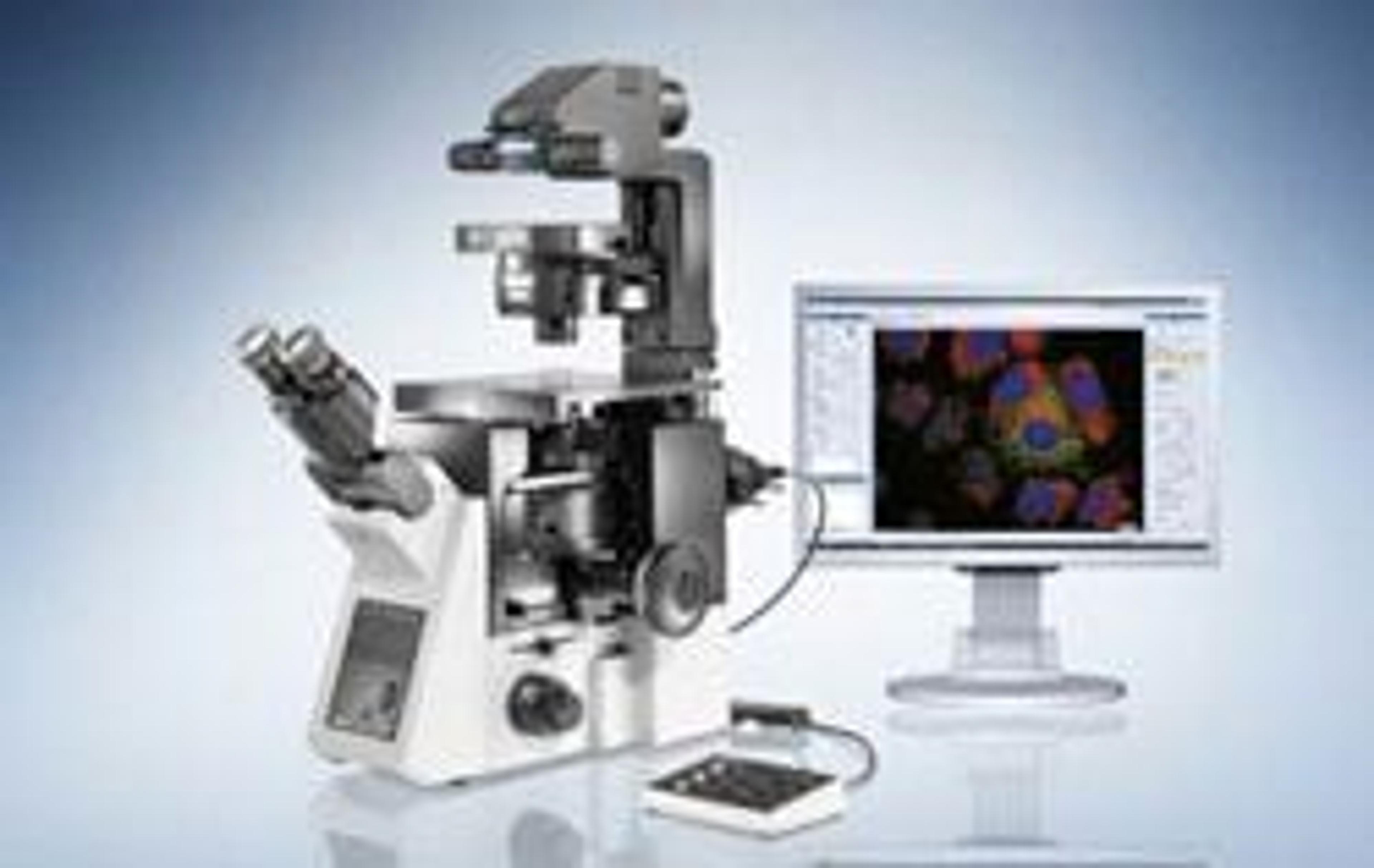
Extending the capabilities of the fully customizable IX3 inverted microscope frame, Olympus has expanded its range of compatible, interchangeable optical modules. Ease-of-use and accuracy are vastly improved via new motorized components, which also present a cost-efficient means to gradually upgrade to a fully motorized microscope system.
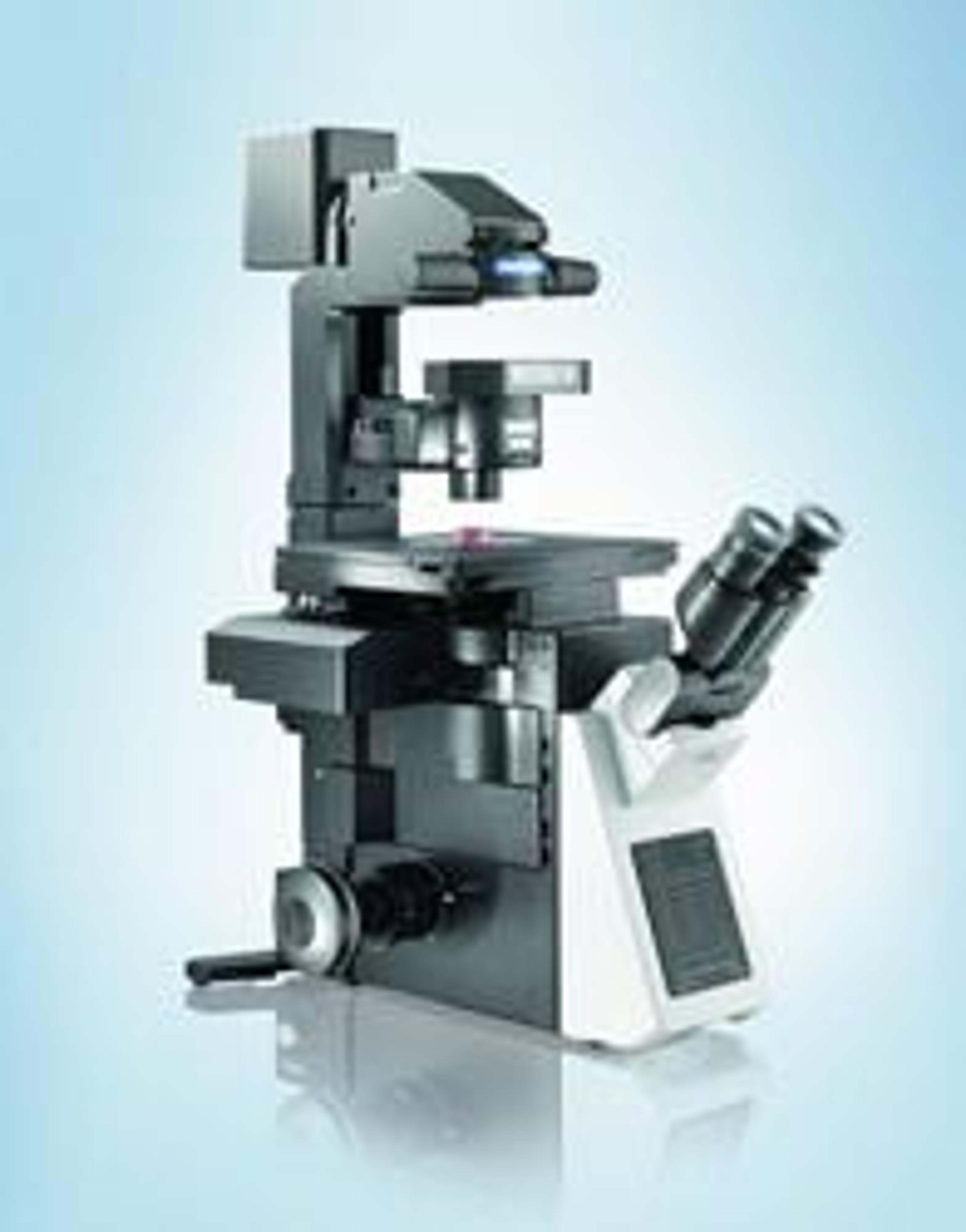
The IX3 series, with its unique “open source” design offers a completely modular and flexible system. With a swappable deck design similar to a chest of drawers, optical modules are easily exchanged into the accessible infinite light path, molding the IX3 microscope to the diverse requirements of the user.
Building upon this expandability, the new range includes a motorized right side port with C-mount (IX3-RSPCA) allowing access to additional components such as detectors and light sources that can be directed into the infinite light path, delivering greater freedom in time-lapse studies and live cell imaging techniques. The Olympus motorized fast filter wheel (U-FFWEM) can now also be integrated into the infinite light path using the new Olympus optical breadboard (IX3-EMDECK) deck adaptor platform. Motorized filter wheels can seamlessly switch between fluorescent channels in just 60 milliseconds, ideal for photomanipulation experiments. To further improve the performance of these studies, the new excitation light measurement module (IX3-EXMAD) directly measures and records light intensity across the sample, for improved reproducibility and accurate quantitative analysis of light stimulation.
Further optimization of the IX3 frame enables full motorization of in vitro fertilization (IVF), facilitating the highly accurate IVF workflow. The dedicated motorized middle long working distance condenser (IX3-MLWCDA) offers motorized adjustment for optimum contrast, and is compatible with all necessary IVF observation methods (DIC, relief-contrast and polarization). Fully motorized DIC observation is now also possible with the DIC prism slider (IX3-DICTA). This facilitates not only micromanipulation workflow but is also interesting for time-lapse studies involving fluorescence and DIC observation in parallel.
The ever-expanding range of optical modules for the Olympus IX3 series allows the microscope systems to continue to grow alongside evolving demands of the research environment.