New special feature: Advance your 3D cell culture research with these top resources

Explore exclusive interviews, new methods, and free download to help optimize your 3D cell culture

11 Oct 2020
Edward Carter
Publishing / Media

Editorial article

In this article, as part of our new special feature, we look at how 3D cell culture is being used to combat a range of ailments, from cancer to neurological disorders, and provide a series of resources to help you achieve robust and reliable 3D cell culture, whatever your application.

CANCER RESEARCH: Unique 3D cell culture models to combat liver cancer

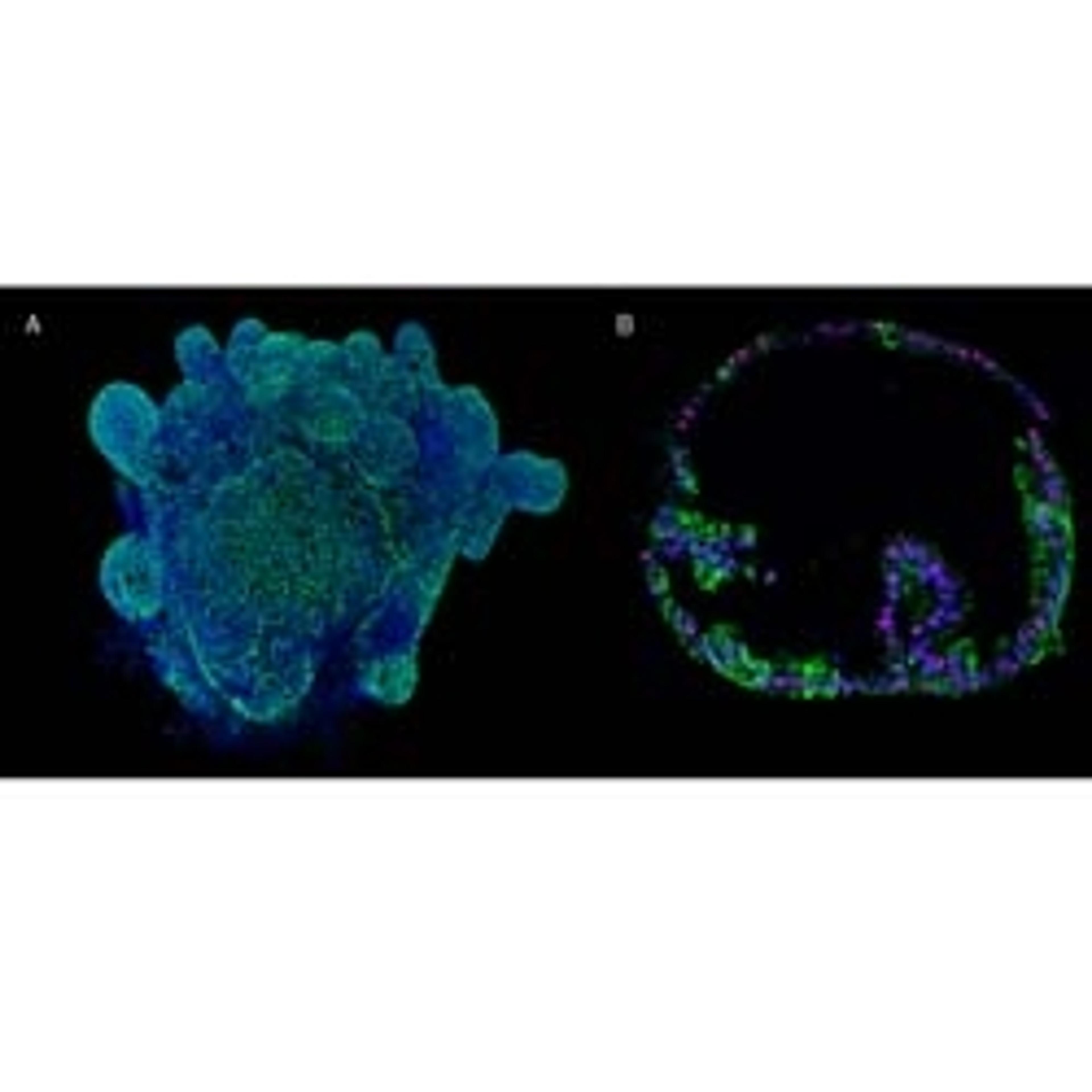
In this exclusive SelectScience interview, Dr. Carlemi Calitz, Uppsala University, shares how Thermo Fisher Scientific helped achieve her hepatocellular carcinoma research breakthrough.

Read Article

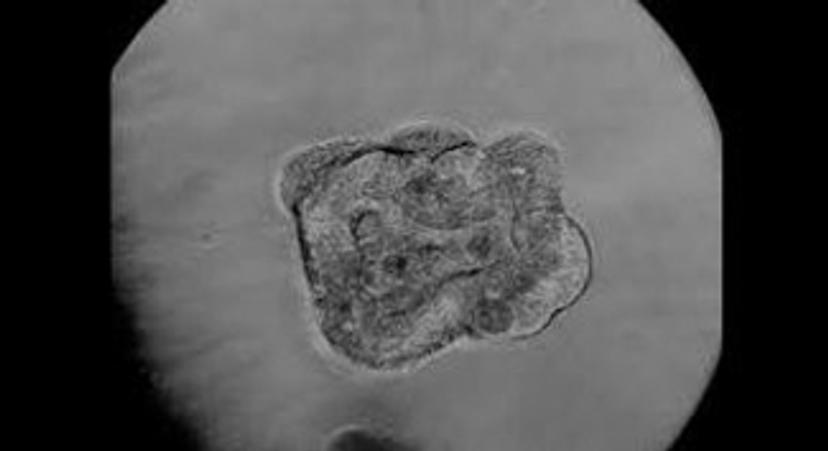
ECM ENVIRONMENT: 3D plates for high-throughput assays

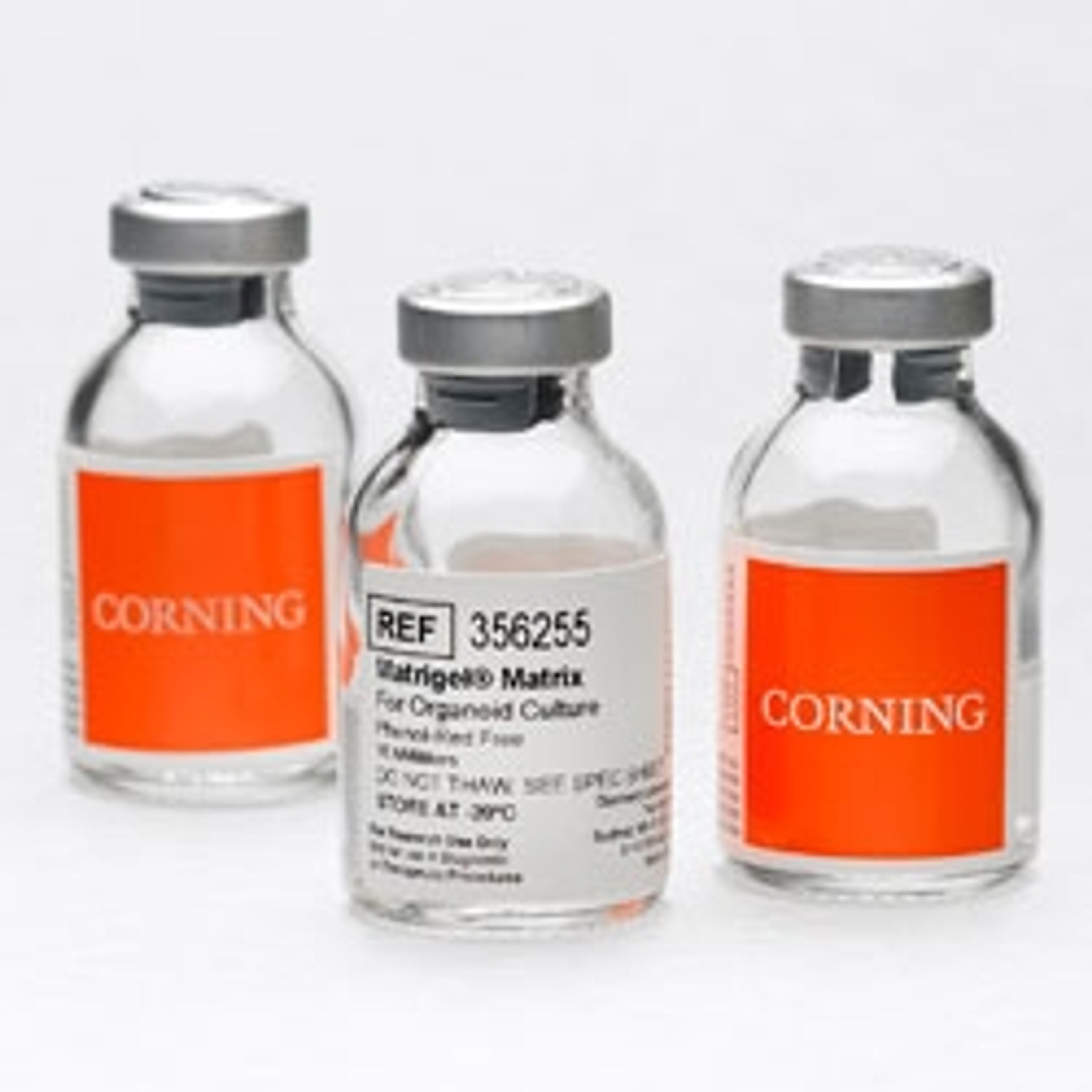
This application note demonstrates how Corning's pre-coated Matrigel Matrix-3D Plates provide the robustness and consistency needed for easier, higher-throughput workflows.
Download Method

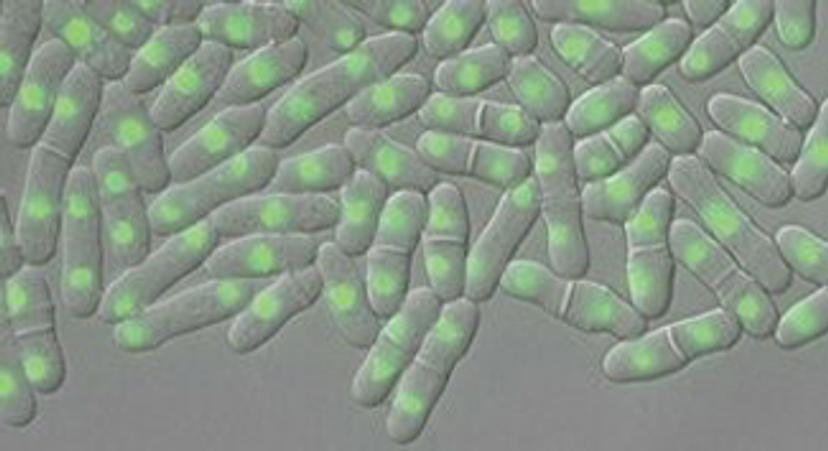
3D SPHEROID SCREENING: Rapid screening using a panel of 200 cell lines

Explore the 3D OncoSignature™ service from Horizon Discovery enabling 3D spheroids screenings to identify cancer therapeutics in relevant cellular environments.
Download Method

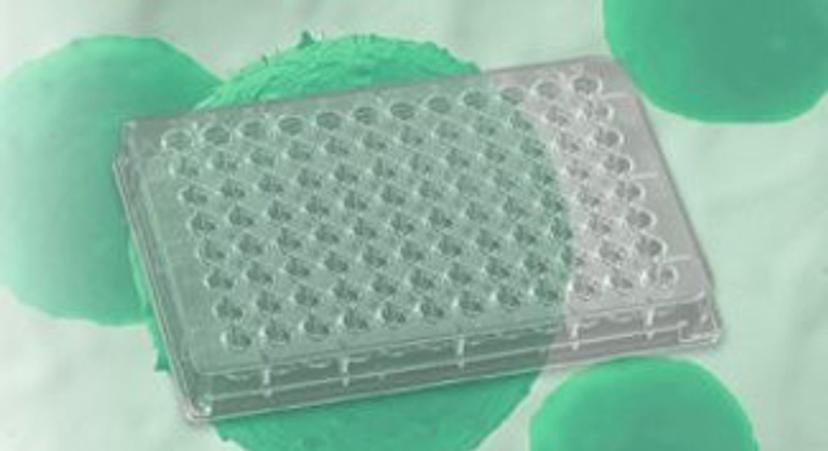
MICROFLUIDICS: Maintain in vivo-like culture for live-cell imaging

Discover a novel, microfluidic-based live-cell imaging platform from MilliporeSigma that enables the precise and on-demand control of experimental microenvironmental parameters.
Download Method

CULTURE PLATES: Step into the future with 3D cell culture spheroids

Learn more about 3D culture and how it produces more physiologically relevant results when compared to traditional 2D cell culture, as well as the 3D culture solutions available from PHCbi.

Download Method

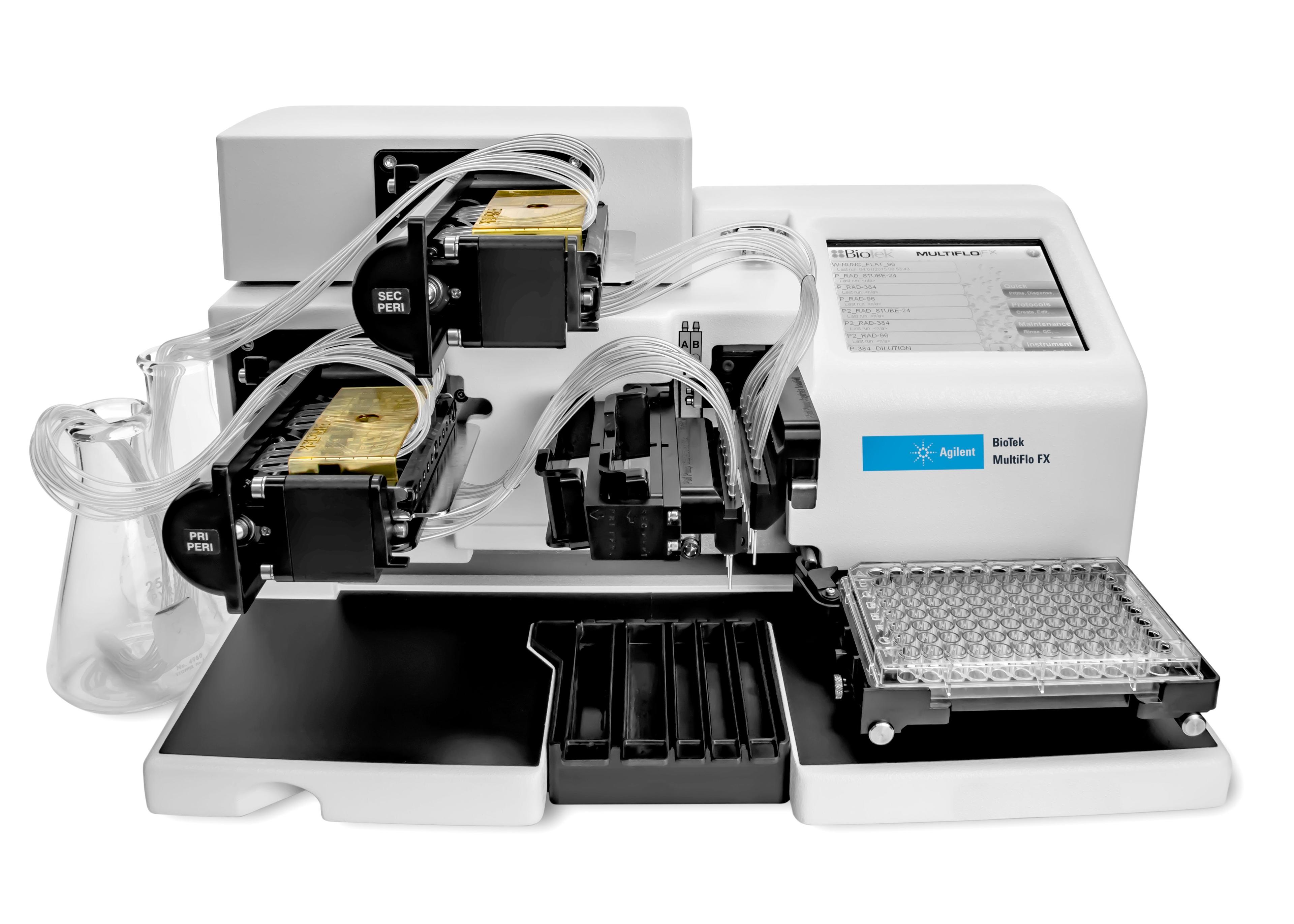
MEDIA EXCHANGE: Eliminate the risk of accidental spheroid removal

Learn how to effectively perform media exchanges, without disturbing unattached 3D spheroids in microplate wells, with this walkaway solution for long-term experimental procedures from BioTek.

Download Poster

QUALITY CONTROL: Rapid and accurate QC for any cell-based assay

Download your essential guide to performing optimized quality control for all your cell-based assays and achieve more accurate data collection with expert insight from Bertin Instruments.

Download eBook

FILTRATION: How to save precious time with the right filtration device

Find out how you can achieve faster total filtration times and average flow rates, whilst maintaining media pH, with the Nalgene Rapid-Flow Sterile Single-Use Filter Units from Thermo Fisher Scientific.
Download Method

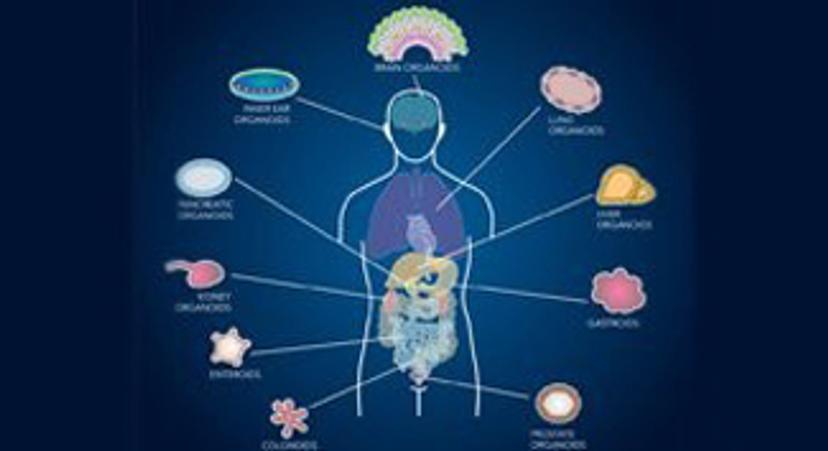
ORGANOIDS: The importance of growth factor bioactivity and reagent consistency

Discover Bio-Techne's portfolio of recombinant proteins, growth factors, and reagents designed for high performance and consistency during organoid culture, expansion, and passaging.

Download Method

Exclusive videos:

  • Rapid drug screening: Discover how Dr. David Donner, Director of the Surgical Oncology Research Lab at the University of California, uses drug-dispensing technology and patient-derived organoids to enable vital research into liver malignancies. Watch video>>
  • Anti-cancer therapeutics: Hear from zPREDICTA CEO and founder Julia Kirshner, as she discusses the benefits of using Tecan's D300e Digital Dispenser to develop laboratory models for more accurate testing of anti-cancer therapeutics. Watch video>>
  • Neurological disorders: Discover how organoid models could be used in the research of neurological disorders such as autism and schizophrenia, in this expert webinar. Watch video>>
  • 3D cell culture analysis: Watch this video to discover how the use of 3D cell cultures is enabling more effective and safer drugs to be discovered early on in the development process. Watch video>>

Other resources:

  • 3D cell models: This guide provides an overview of the cell lines, culture conditions, and analysis techniques that are being used in the transition from 2D to 3D cell models. Download Guide>>
  • High-content imaging: Read this eBook to learn how to capture in-depth and high-quality images of spheroids, stem cells, organs-on-chips and whole organisms. Download eBook>>
  • Spheroid imaging: Learn about cancer cell spheroid production, followed by protocols for staining and imaging these spheroids for use in multi-parameter cytotoxicity studies. Download method>>

Your recommendations:

Take a look at what other researchers and scientists all over the world are saying about the latest equipment and technologies in 3D cell culture. Ryan Bennett from OyaGen shared his opinion on the MultiFlo™ FX Multi-Mode Dispenser by BioTek Instruments:

Links

Tags

Cell Adhesion AssaysCell adhesion assays are used to quantitate attachment and analyze the molecular mechanisms for extracellular matrix adhesion, cell migration and sensitivity to inhibitors. Find the best cell adhesion assay equipment in our peer-reviewed product directory: compare products, check customer reviews and receive pricing direct from manufacturers.Cell / Tissue CultureCell culture or tissue culture is used to study the biology of cells or tissues and to isolate cellular products in an environment which can be manipulated and well defined. Accurately control your culture environment with bioreactors or culture incubators, bind your cells to a surface or together with an extracellular matrix. Distinguish cell types with differential media or proliferate cells with certain characteristics using selective media. Enrich your media with supplements such as growth factors, sera and vitamins. Find the best cell and tissue culture products, kits and equipment in our peer-reviewed product directory: compare products, check customer reviews and receive pricing direct from manufacturers.Flow Cytometry / Cell CountingFlow cytometers are used to count, sort and examine multiple characteristics of cells. Other cell analysis equipment includes image cytometers, cell counters, fluorescence-activated cell sorters (FACS), magnetic-activated cell sorters (MACS), and a range of flow cytometry assay kits. Flow cytometers can reveal information on cell viability, cell proliferation, apoptosis and cell cycle progression, as well as identify cell populations and intracellular or cell-surface molecules. Additionally, some flow cytometers, known as FACS, have an additional sorting function after analysis. Cell counters and image cytometers count live and dead cell populations and can also conduct cell proliferation assays. Find the best flow cytometers, cell counters and cell sorters in our peer-reviewed product directory: compare products, check customer reviews and receive pricing direct from manufacturers.Cell-Based AssaysCell-based assays are used to monitor the presence, quantity and activities of a desired cellular analyte including drug molecules or biomarkers. This can reveal information on cell health (apoptosis, cytotoxicity, viability and proliferation assays), cell metabolism, cell migration and cell signaling mechanisms. Find the best cell-based assay products, kits and equipment with our peer reviewed product directory: compare products, check customer reviews and receiving pricing direct from manufacturers.In Vivo Imaging Systems<i>In vivo</i> imaging systems, including pre-clinical imaging systems and medical imaging systems are used to non-invasively visualize and capture images of live animals and plants. Monitor the natural processes or diseases of your subjects using small-animal pre-clinical imaging systems, including single photon positron emission tomography (SPECT), positron emission tomography (PET), computed tomography (micro-CT), magnetic resonance imaging (MRI), X-ray radiography, ultrasound, fluorescence and bioluminescence imagers. Multimodal systems and software solutions are also available for correlative analysis of organ, tissue, cell, or molecular-level processes. Find the best in vivo imaging products in our peer-reviewed product directory: compare products, check customer reviews and receive pricing direct from manufacturers.Quality ControlQuality control is needed in all production processes. Quality control is a monitoring procedure or set of procedures that are put in place to ensure that a manufactured product adheres to a defined set of quality criteria. Assay DevelopmentThe process of proving an assay to be sensitive with respect to the target is known as assay development. The assay should be able to characterize novel compounds and measure the potency of these compounds against a validated biological target.SpheroidsSpheroids are clusters of cells that have been grown in 3D culture to be used as <i>in vitro</i> model systems. These 3D microtissues can be used for toxicology testing, DMPK studies and many other applications involving cell analysis.Cell Based AssaysCell-based assays use living cells to measure biological responses to various treatments or stimuli. They are essential for drug discovery, toxicology testing, and understanding cellular mechanisms. These assays are used to assess cell viability, proliferation, gene expression, and other cellular activities. Browse our peer-reviewed product directory to find the best cell-based assay tools and reagents, compare products, read customer reviews, and get pricing directly from manufacturers.Cell CultureCell culture involves growing cells under controlled conditions, typically outside of their natural environment, to study cellular behavior, drug response, and disease models. Cell culture is crucial in biotechnology and biomedical research. Explore cell culture products in our peer-reviewed product directory; compare products, check reviews, and get pricing directly from manufacturers.Cancer ResearchAlthough cancer is often referred to as a single condition, it actually consists of more than 100 different diseases. Microscopy, mass spectrometry, high throughput sequencing and flow cytometry are some of the most common techniques employed in cancer research labs.