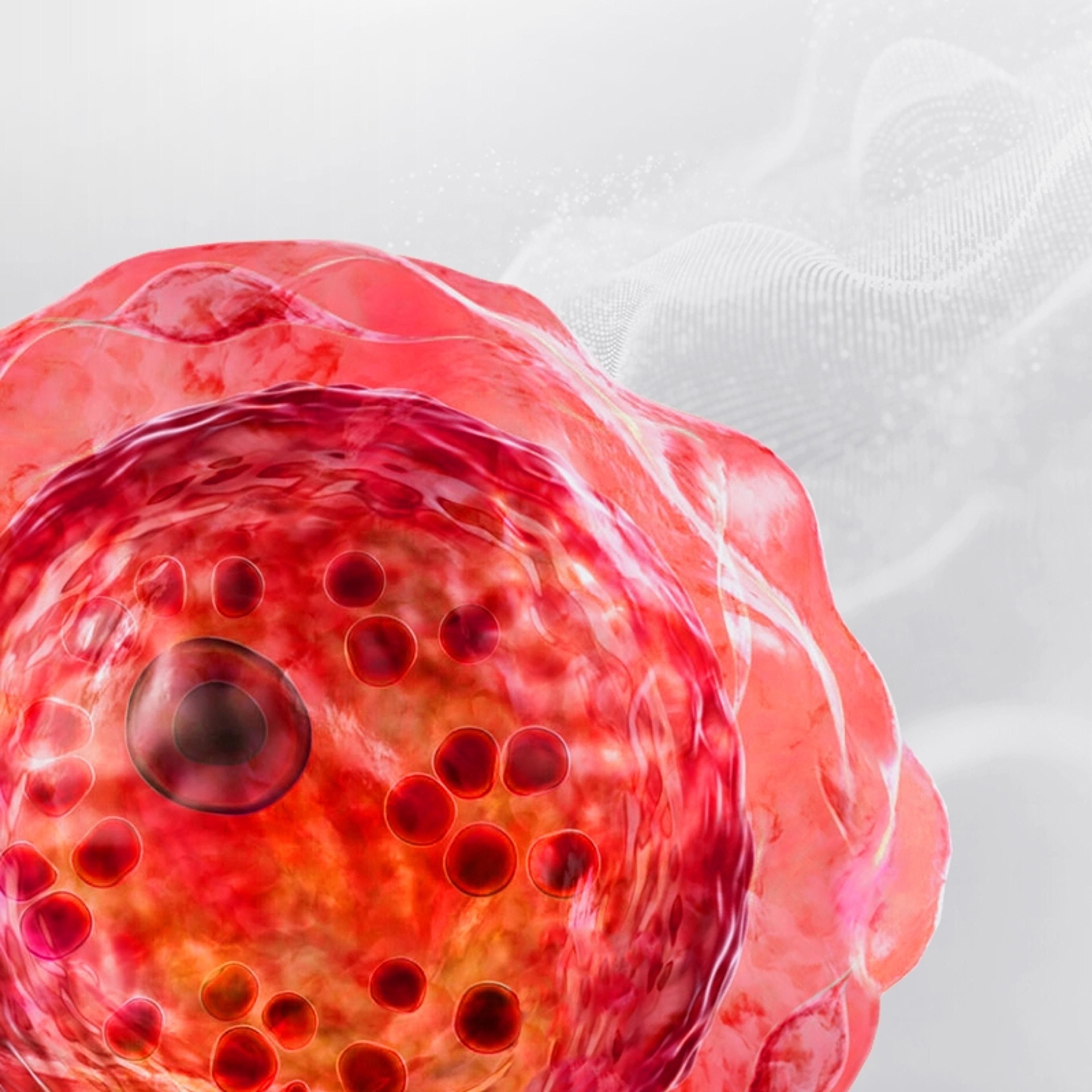
New GMP-manufactured Cas9 protein enables clinical genome editing research

Gibco CTS TrueCut Cas9 Protein supports use of genome editing for research and manufacturing applications, including CAR T-cell therapy research

19 Apr 2022

Dora Wells
Clinical Content Editor

Product news

As researchers using genome editing tools move from basic research to clinical settings, high-quality ancillary materials and documentation are critical. To help researchers meet stringent quality requirements, Thermo Fisher Scientific has introduced the new GMP-manufactured Gibco CTS TrueCut Cas9 Protein. TrueCut Cas9 proteins are manufactured with United States Pharmacopeia standards in mind, including traceability documentation, aseptic manufacturing, and safety testing.

Gibco CTS TrueCut Cas9 Protein provides consistent high-editing efficiency in all tested cell lines and greater than 90% efficiency in human primary T-cells, making it a compelling solution for CAR T-cell therapy research using CRISPR-Cas9 genome editing. With the addition of a GMP-manufactured Cas9 protein and the recently launched Gibco CTS Xenon Electroporation System, Thermo Fisher can now support researchers across the autologous T-cell workflow.

“As genome editing quality and regulatory requirements continue to evolve, we are focused on providing solutions to meet scientists’ needs as they transition from the bench to the clinic,” said Brandon Pence, vice president and general manager of cell biology at Thermo Fisher Scientific. “By adding the Gibco CTS TrueCut Cas9 Protein to our portfolio of genome editing solutions, we can now support scientists in their journey to develop personalized CAR T-cell therapeutics.”

The Gibco CTS TrueCut Cas9 Protein is part of Thermo Fisher’s Cell Therapy Systems (CTS) product line, a comprehensive portfolio of GMP-manufactured products supported by traceability documentation. This product line is designed to work synergistically across the entire workflow, from cell isolation/activation to cell engineering and expansion, to address cell therapy developers’ manufacturing needs.

Want the latest science news straight to your inbox? Become a SelectScience member for free today>>

Links

Tags

Cell / Tissue CultureCell culture or tissue culture is used to study the biology of cells or tissues and to isolate cellular products in an environment which can be manipulated and well defined. Accurately control your culture environment with bioreactors or culture incubators, bind your cells to a surface or together with an extracellular matrix. Distinguish cell types with differential media or proliferate cells with certain characteristics using selective media. Enrich your media with supplements such as growth factors, sera and vitamins. Find the best cell and tissue culture products, kits and equipment in our peer-reviewed product directory: compare products, check customer reviews and receive pricing direct from manufacturers.Genome AnalysisGenomics, the study of genomes, includes functional genomics, evolutionary genomics and comparative genomics. There are many genomic technologies such as DNA sequencing of whole genomes, computational biology and bioinformatics. DNA and nucleic acids must be isolated and concentrated from cells for analysis with kits, automated analyzers and software. Other useful technologies for studying genomics include PCR, microarrays and electrophoresis.Flow Cytometry / Cell CountingFlow cytometers are used to count, sort and examine multiple characteristics of cells. Other cell analysis equipment includes image cytometers, cell counters, fluorescence-activated cell sorters (FACS), magnetic-activated cell sorters (MACS), and a range of flow cytometry assay kits. Flow cytometers can reveal information on cell viability, cell proliferation, apoptosis and cell cycle progression, as well as identify cell populations and intracellular or cell-surface molecules. Additionally, some flow cytometers, known as FACS, have an additional sorting function after analysis. Cell counters and image cytometers count live and dead cell populations and can also conduct cell proliferation assays. Find the best flow cytometers, cell counters and cell sorters in our peer-reviewed product directory: compare products, check customer reviews and receive pricing direct from manufacturers.ImmunologyImmunological techniques measure and characterize immune responses. Immunology kits and analysis systems often use techniques such as ELISA, radioimmunoassay (RIA) and immunodiffusion assays, Immunohistochemistry, and flow cytometry. Immunologists use equipment such as flow Cytometers, plate readers, plate washers and fluorescent microscopes.Cell-Based AssaysCell-based assays are used to monitor the presence, quantity and activities of a desired cellular analyte including drug molecules or biomarkers. This can reveal information on cell health (apoptosis, cytotoxicity, viability and proliferation assays), cell metabolism, cell migration and cell signaling mechanisms. Find the best cell-based assay products, kits and equipment with our peer reviewed product directory: compare products, check customer reviews and receiving pricing direct from manufacturers.Gene Expression and Molecular CloningMolecular cloning is a set of techniques that utilizes vectors to transfer recombinant DNA into host cells and is an essential tool for investigating the expression of genes and proteins in bacterial or mammalian cells. A variety of vectors optimized for gene cloning and expression in a range of host organisms are available, alongside competent cells for genetic replication. Here, you can explore a range of molecular tools, high-quality genomic and cDNA libraries, premade clones, transformation and transfection reagents and mutagenesis or gene expression detection assays and expression arrays. Find the best gene expression and molecular cloning products in our peer-reviewed product directory: compare products, check customer reviews and receive pricing direct from manufacturers.Biopharmaceutical AdvancesBiopharmaceutical advances follow the development of pharmaceuticals derived from biotechnology, also known as biotechnology medicines. Biopharmaceuticals may be produced from cell lines, plants, or microbial cells. Important considerations of biopharmaceutical use include application, cost, production process and purification.Discovery SoftwareComputational techniques used in both the chemistry and biology aspects of drug discovery, for data acquisition, processing and storage. Software is used for analysis of pathways, target identification, genomics, proteomics, modelling, lead identification, compound analysis and drug modelling among many others. Protein ExpressionProtein expression is the utilization of cell machinery for the synthesis of proteins and has become a critical tool in biotherapeutic, genomic, and proteomic research. Produce recombinant proteins with expression vectors in combination with a host cell suitable for high-level protein expression. For production of toxic proteins, consider cell-free expression vectors. Create and monitor post-translational modifications with protein modification kits. Find the best protein expression products in our peer-reviewed product directory: compare products, check customer reviews and receive pricing direct from manufacturers.Cell TherapyCell therapy involves using living cells to treat diseases, often by replacing damaged cells or stimulating regeneration. Stem cell therapy and CAR-T cell therapy are examples of cutting-edge treatments in regenerative medicine and cancer immunotherapy. Browse our peer-reviewed product directory to find the best cell therapy tools, compare products, check reviews, and get pricing directly from manufacturers.Gene EditingGene editing is the precise alteration to an organism's DNA, with CRISPR being the most well-known technique. It is used in a wide range of applications, including the development of disease models and gene therapy, and crop improvement. Browse our peer-reviewed product directory to find the best gene editing solutions, compare products, check reviews, and get pricing directly from manufacturers.Genome EditingGenome editing involves altering the DNA of an organism, which holds promise for disease treatment, agriculture, and gene therapy. Techniques like CRISPR-Cas9 are revolutionizing this field, enabling precise genetic modifications. Explore genome editing tools in our peer-reviewed product directory; compare products, check reviews, and get pricing directly from manufacturers.Gene TherapyGene therapy is a technique that modifies or replaces genes within an individual's cells to treat or prevent diseases. This approach holds potential for curing genetic disorders, cancers, and certain viral infections. Advances in gene editing technologies like CRISPR are driving the growth of gene therapy. Explore gene therapy tools and technologies in our peer-reviewed product directory; compare products, check reviews, and get pricing directly from manufacturers.CRISPRCRISPR technology enables precise editing of genes, allowing scientists to modify DNA at specific locations. This revolutionary tool is used in genetic research, drug development, and gene therapy. CRISPR has applications in agriculture, disease treatment, and creating genetically modified organisms (GMOs). Explore CRISPR solutions in our peer-reviewed product directory; compare products, check reviews, and get pricing directly from manufacturers.