NEW Generation Syngene Imaging Systems for Gel and Blot Imaging

The new systems will be live on Stand 140 at ARABLAB 2017

25 Jan 2017
Weylan Kiam-Laine
Microbiologist

Product news

Syngene, a world-leading manufacturer of image analysis solutions, is delighted to announce the new range of imaging systems will be on Stand 140 at ARABLAB 2017 on March 20th-23rd. Designed for simple set-up and accurate performance, there will be systems on display to suit all budgets and imaging applications.

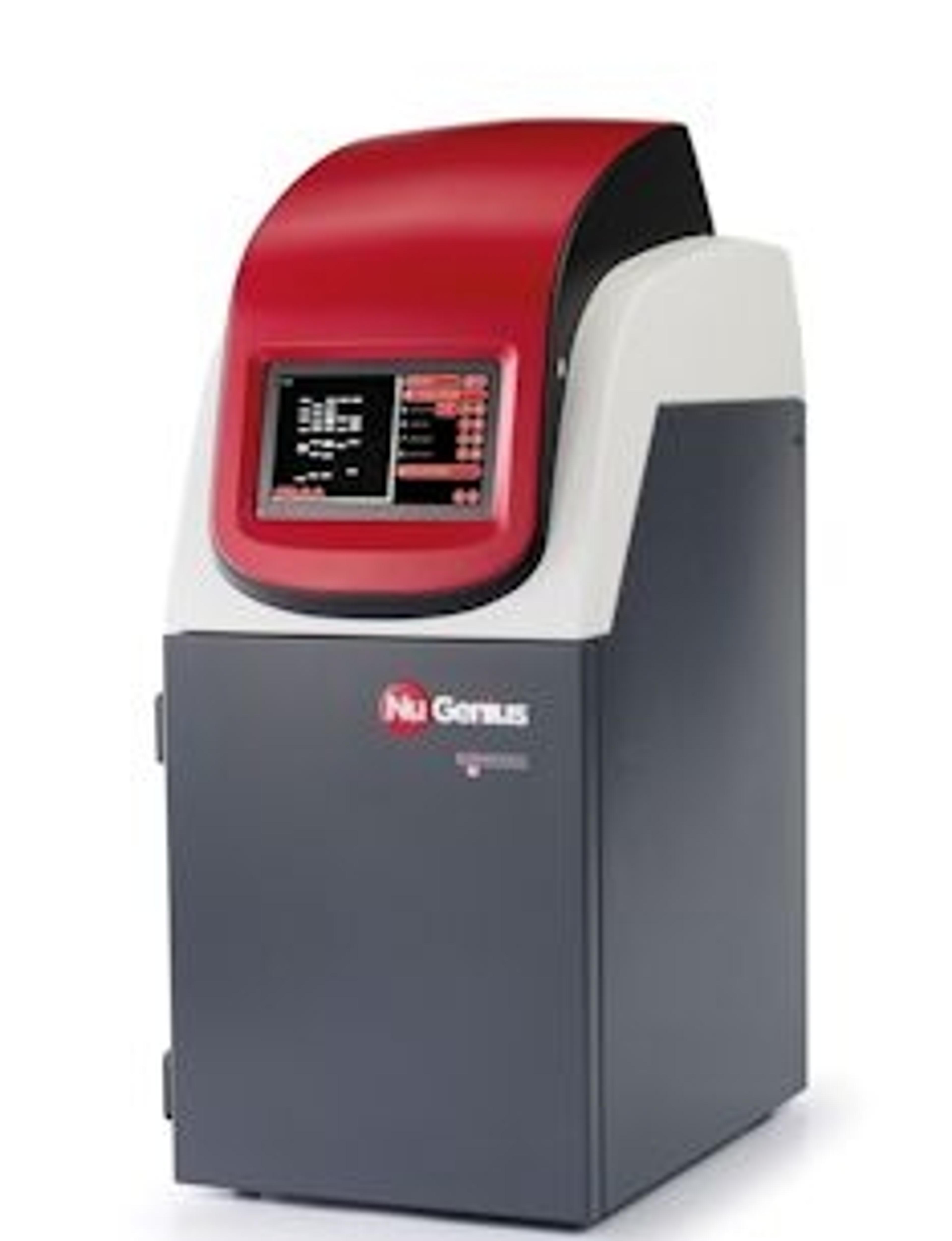
Scientists looking for a low cost, yet powerful DNA and protein imaging system, should check out Syngene’s NuGenius, live on stand. This compact gel doc system, featuring a 5 million pixel CCD camera and motor driven zoom lens, enables perfect imaging of any gel or blot size up to 20cm x 24cm.

For those seeking dedicated chemiluminescence imagers, Syngene’s experts will be on hand to show the brilliantly designed GeneGnome XRQ imager. With an innovative low-light capture powerhouse of a camera and one-click set-up, generating superb images of barely-there chemiluminescent bands on Western blots has never been easier.

To complete Syngene’s range, the PXi all-round multi-functional imaging system is available for scientists to try. This system, complete with high resolution, cooled camera and innovative touch-screen GeneSys image capture software can handle anything with ease, from chemiluminescent and fluorescent blots, visible gels and blots, right through to more complex 2D gels.

“ARABLAB is always such a great show and we’re excited to be exhibiting our latest range of intelligently designed gel doc systems here.” comments Matthew Dunne, Senior Divisional Manager at Syngene. “We look forward to welcoming scientists on Stand 140 and to letting them see how imaging technology produced in one of the world’s most renowned innovation hubs, could significantly benefit their research.”

NuGenius+

Syngene

NuGenius is a new generation, low cost, integrated imaging system for DNA and protein analysis and gel documentation.

(0)

GeneSys

Syngene

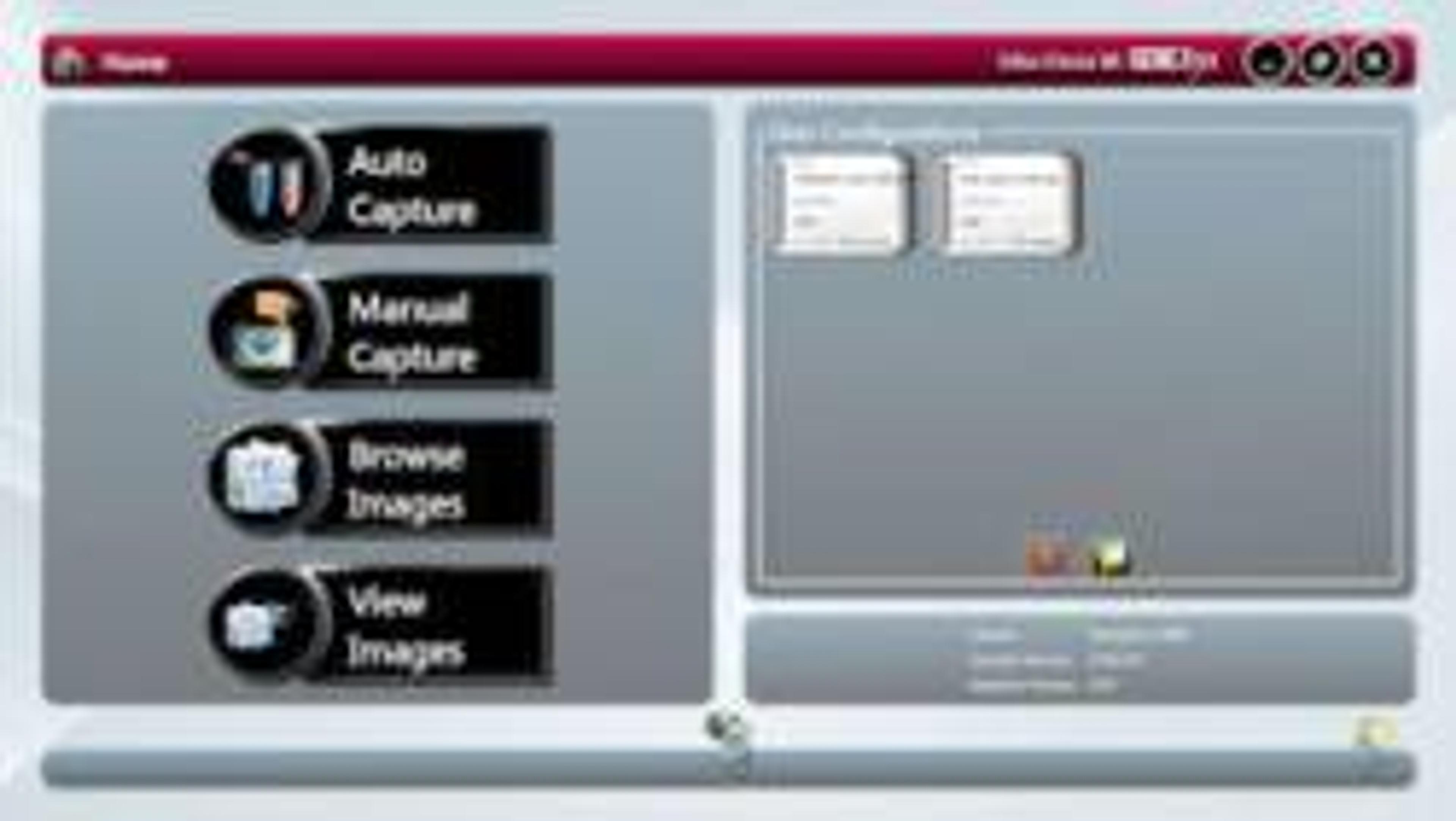
The biggest difference between a Syngene system and any other is in the way the system is controlled. At the heart of all Syngene systems is GeneSys which is an application driven control software. You can use GeneSys in either Automatic or Manual mode. It is assumed that the user will know exactly what their application is and how they have prepared their gel or blot. In Auto Mode they simply enter this information into GeneSys (or recall it from a saved configuration) and the system takes over the rest. Behind GeneSys is an extensive database which contains data relating to a very wide range of applications, eg, fluorescence, chemiluminescene and chemifluorescence.Once the imaging system has been told what sample to expect then GeneSys decides what hardware configuration is best and sets the system ready for image capture. Things like camera control, exposure time, sensitivity setting, lighting requirements, lens control, filter selection – all of this is taken care of by GeneSys. The user just has to click the ‘capture’ button and wait for the perfect image to appear. GeneSys ensures scientists can quickly capture excellent images of even complex multiplex gels.The innovative GeneSys software features large touch-screen buttons which guide users effortlessly through set-up and image capture. Each screen prompts researchers to select, for example, the type of gel or blot they are using and what it is stained with.

(0)

GeneGnome XRQ

Syngene

GeneGnome is a dedicated chemiluminescence imaging system. Utilising the GeneGnome XRQ’s optimised short ‘camera to sample’ technology, you’ll get more than double the dynamic range of film, making it easy for you to see picogram or femtogram protein levels without all the fuss.

(1)

Links

Tags

ProteomicsProteomics is the systemic bioinformatics study of proteins and amino acids, including their structure, size, function and identification. Tools used in proteomics include chromatography, blotting and gels, protein arrays, mass spectrometry and ELISA and associated analysis software. Analyzers and proteomic systems should be sensitive, high resolution, fast and may be automated for high-throughput.Gel Doc / Image AnalysisGel documentation (gel doc) or gel imaging systems are used for the analysis of proteins, antibodies and nucleic acid immobilized in polyacrylamide or agarose gels, membranes or microarrays. Explore a range of a gel imaging systems, densitometers, scanners, transilluminators or UV lamp + CCD cameras for your image analysis solutions. Colorimetric, fluorescent and/or radioisotopic samples can be visualized and documented for further analysis. See gel doc / Image analysis software for quantitative 1D and 2D analysis of your samples. Find the best gel doc / image analysis products in our peer-reviewed product directory: compare products, check customer reviews and receive pricing direct from manufacturers.DNA / RNA Extraction and PurificationPurified DNA and RNA are required for numerous downstream molecular biology applications. Consequently, the importance of high-quality DNA/RNA extraction and purification equipment cannot be underestimated. Many purification kits are available and are typically optimized for nucleic acid type and source, including plasmid DNA, genomic DNA, mRNA, RNA and viral nucleic acid purification kits. Automated extraction and purification of nucleic acids can be implemented with magnetic bead separator instruments or high-throughput purification workstations. Find the best DNA/RNA extraction and purification equipment in our peer-reviewed product directory: compare products, check customer reviews and receive pricing direct from manufacturers.Light MicroscopyLight microscopes or optical microscopes are used to visualize microscale objects under magnification, including cells, clinical specimens and materials. Lab equipment for light microscopy includes confocal microscopes, fluorescence microscopes, zoom and stereo microscopes. Microscope slides and imaging reagents are available for visualizing samples, as well as various microscope stages and incubators for large or temperature-sensitive samples. Find the best light microscopes in our peer-reviewed product directory: compare products, check customer reviews and receive pricing direct from manufacturers.Western BlottingWestern blotting equipment is used to transfer and identify specific proteins within a sample, reveal protein modifications, as well as give a semi-quantitative estimation of their concentration. Western blotting equipment includes all apparatus necessary to transfer proteins from gel to membrane and subsequent processing steps. Protein transfer can be performed by electroblotting with wet, semi-dry and dry transfer systems onto nitrocellulose and PVDF membranes. Blocking, washing and labeling of membranes follows, involving buffers, blocking reagents, blotting / incubation trays, labeling reagents, immunoblotting assays, antibodies and conjugates. Automated equipment for these steps is available to accelerate your lab workflow. Finally, detection and imaging of proteins can be conducted using gel documentation and imaging systems. Find the best western blotting equipment in our peer-reviewed product directory: compare products, check customer reviews and receive pricing direct from manufacturers.Gel ImagingGel imaging captures high-resolution images of electrophoresis gels to analyze DNA, RNA, and proteins. Essential in molecular biology, this technique helps visualize results for accurate quantification and documentation. Discover top imaging systems and compare user-reviewed options in our directory.CCD cameraARABLABChemiluminescenceBlotting