
New 2015 Immunoassays Buying Guide Published
Learn about the different types of immunoassay technology, automation options and other important considerations
17 Dec 2015
Editorial article

SelectScience’s exclusive Buying Guides are designed to help you make the right purchasing decisions for your laboratory
The development of immunoassays – tests involving the use of antigen and antibody complexes to produce a measureable result – began in the 1960s with the use of radioimmunoassay (RIA). In the 1980s and 90s, major advances were made in the automation and sensitivity of immunoassays; these technologies have shaped the variety of automated immunoassay analyzers on the market today.
Immunoassay technology
SelectScience has published a unique guide that highlights the available immunoassay technologies, such as Enzyme-Linked Immunosorbent Assay (ELISA), Radioimmunoassays (RIA), Fluorescence Polarization Immunoassay (FPIA) and Chemiluminescence Immunoassay (CLIA).
Read the Guide to find out more about homogeneous and heterogeneous immunoassays; competitive and non-competitive formats; and open and closed systems.
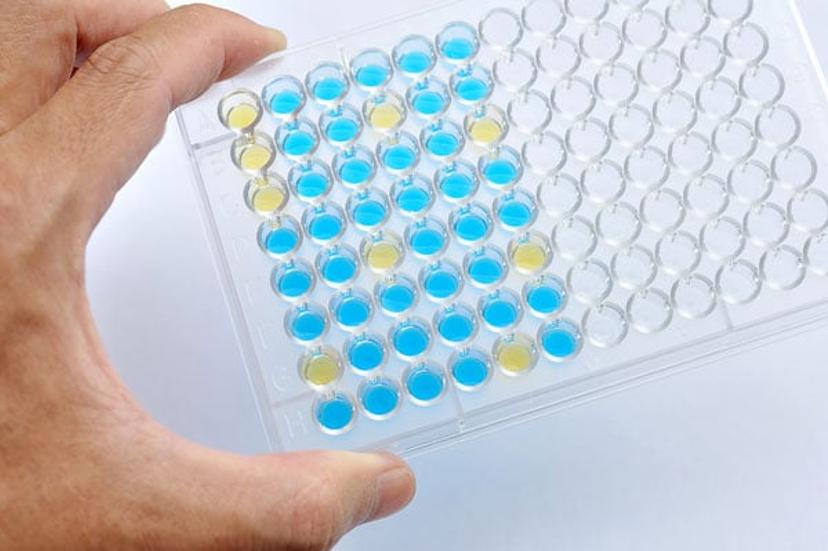
ELISA's are an example of a type of immunoassay that are frequently employed in automated immunoassay analyzers
Immunoassays are used to quantify proteins, hormones and antibodies so that clinicians can identify and assess stage and progression of disease states. The guide discusses some of these frequently assessed disease states such as bone metabolism, cardiovascular damage in cardiac disease, endocrine hormones and anemia.
Additional factors for consideration
As well as considering different technologies and applications, laboratory managers must consider other factors such as future proofing, automation and LEAN processing. These aspects, and some additional important questions to consider, are also detailed in this exclusive Buying Guide.
Editors picks
At the end of the Buying Guide are the Editor’s picks, analyzers that have received excellent reviews from SelectScience members. View our Immunoassay product directory and product reviews, and leave your own Immunoassay Analyzer review.
Download the Immunoassays Analyzers for Disease States Buying Guide
Other SelectScience Clinical Buying Guides:
Related products
Request Quote for All Products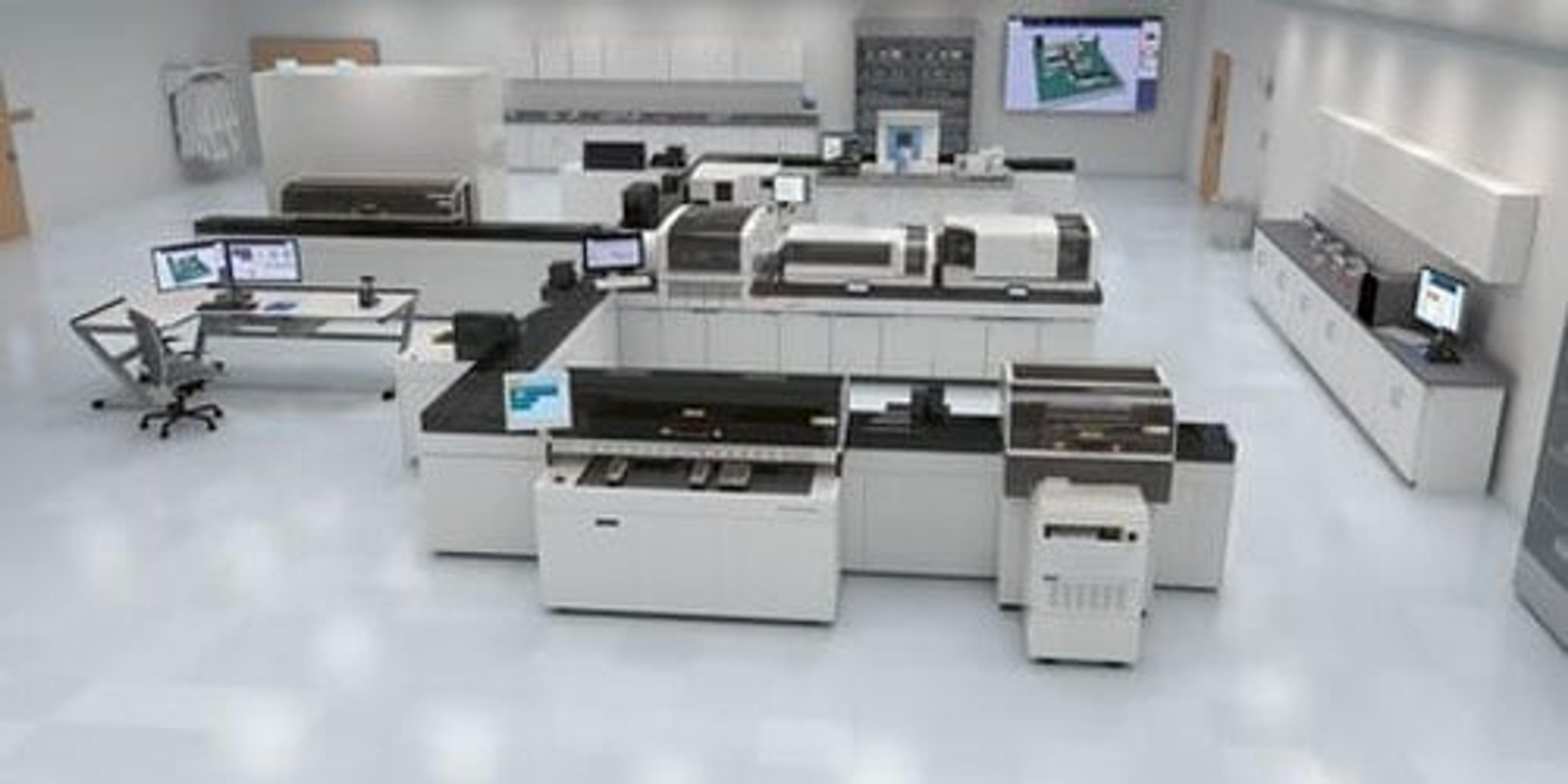
Aptio® Automation
Siemens HealthineersAptio® Automation combines intelligent technologies with Siemens Healthineers workflow expertise to deliver flexible solutions that advance your laboratory’s productivity. Accelerate processing and achieve consistent turnaround time using intelligent routing, single-sample flow, and primary tube sampling technologies.Improve utilization of lab resources through data-driven simulations, optimization modeling, and best practices of an experienced partner. Position your laboratory for future expansion and rapid access to innovations in automation and diagnostics with a highly adaptable, multidisciplinary track.