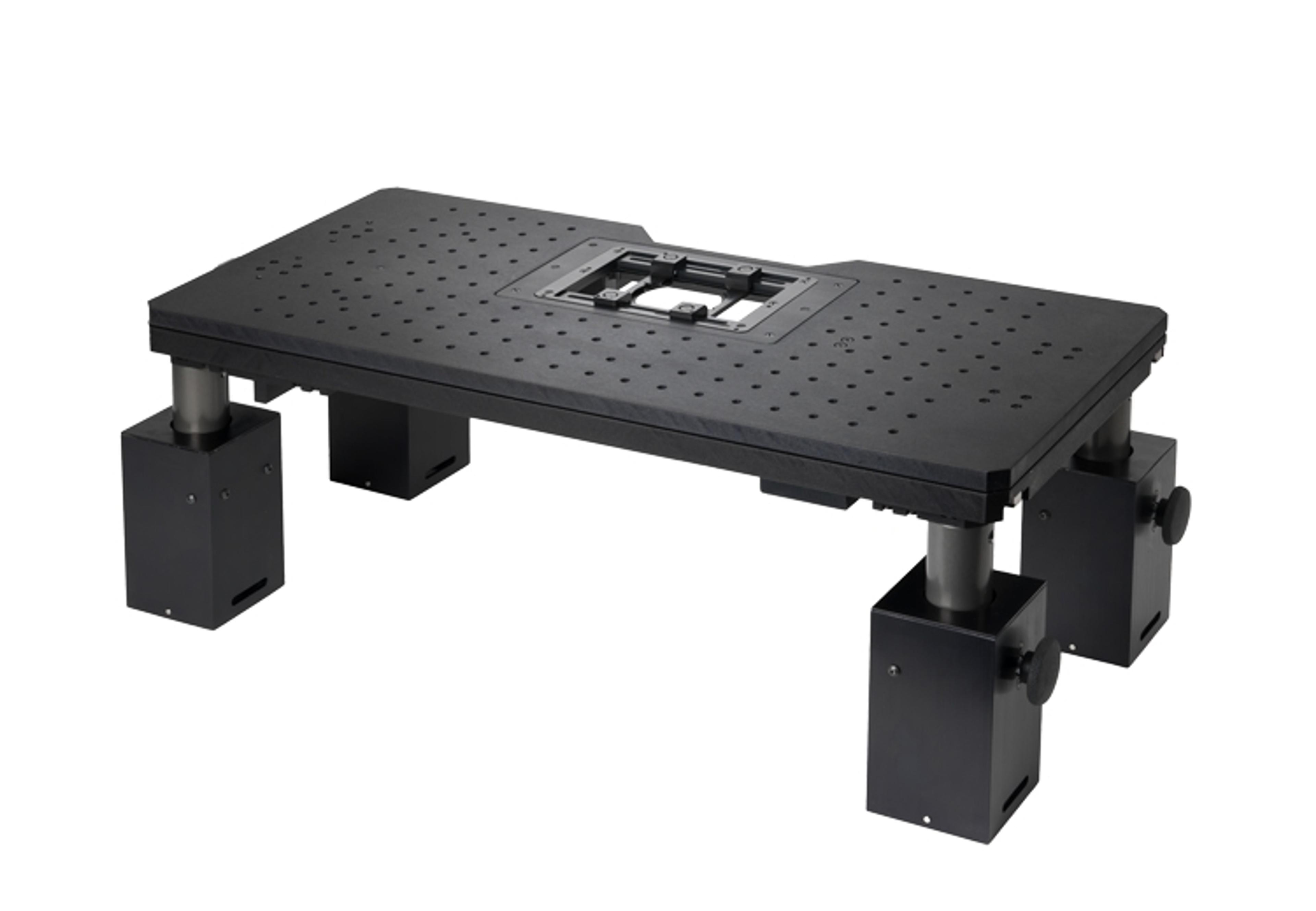
Motorized Z-Axis Microscope Focus Blocks

24 May 2016
Alex Waite
Editorial Assistant

Product news

The FB series of Z-axis motorized focus blocks from Prior Scientific offer precise and repeatable positioning of loads with a weight of up to 14 kg.

When creating an imaging system, it is often necessary to move components and samples, such as an XY microscope stage, vertically. Achieving precise movement in the Z-Axis is essential for high quality imaging, but can be difficult, especially with heavier components.

Designed and manufactured to the highest standards – Prior Scientific Z-axis motorized focus blocks deliver the repeatability (± 0.7 µm) and precision (± 20 nm) required for almost any imaging application. Even with a full load, these motorized focus blocks may be driven between 1 and 14 mm/sec over a travel range of 38 mm, making them a versatile choice for integration with a wide range of imaging systems.

Ranging from a simple stand-alone motorized linear axis focus block through mounts for holding stages for incident and transmitted light experiments to encoded devices where overall accuracy and precision is paramount, standard and custom FB series motorized focus blocks are available to suit most applications.

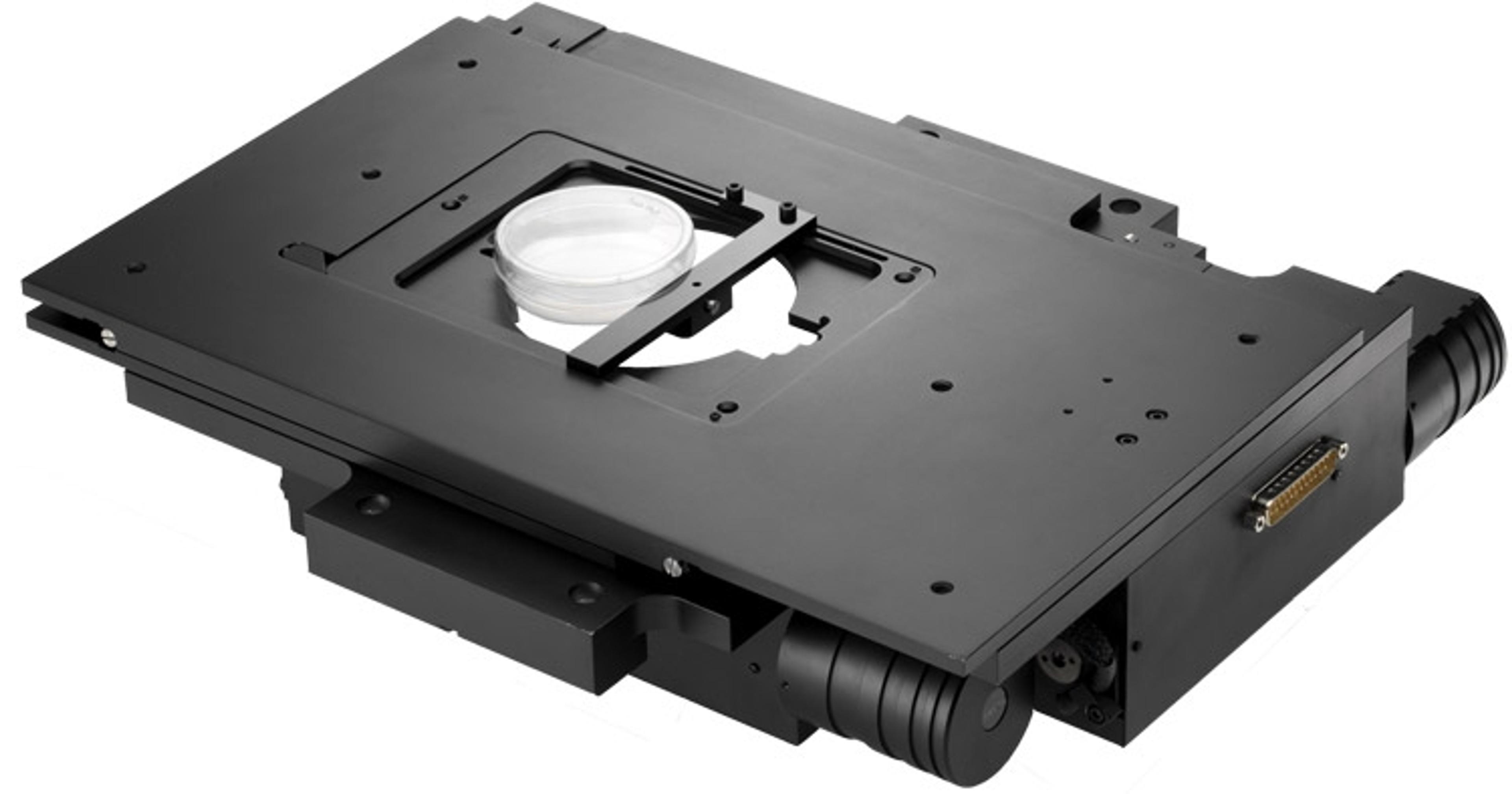
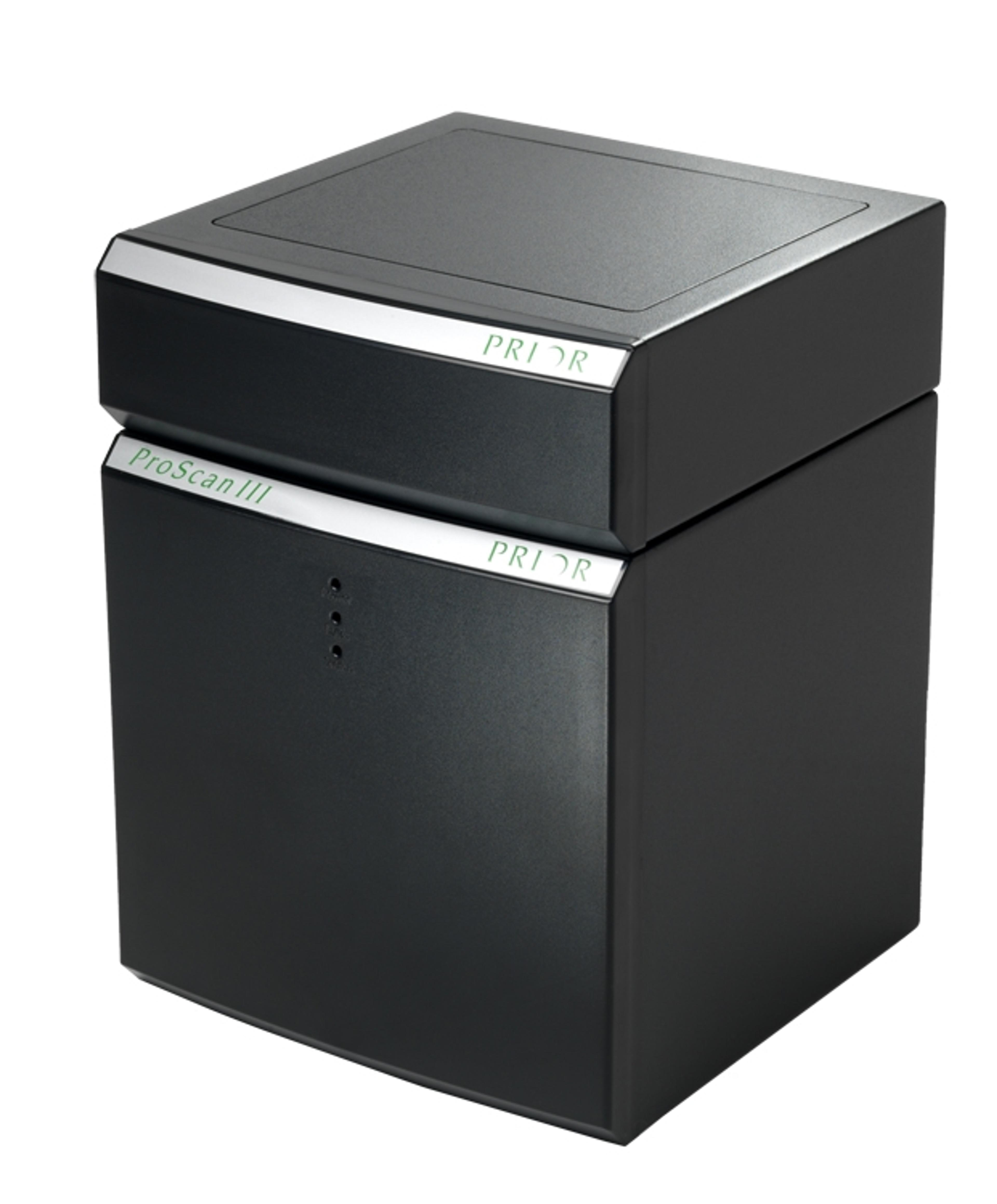
FB series motorized focus blocks, as well as any mounted Prior XY microscope stage, can be controlled via Prior’s ProScan III control system. This control system integrates into a wide variety of imaging applications, potentially allowing every component of the imaging system to be controlled from a central point.
Links

Tags

Labware and Lab SuppliesLabware and lab supplies include various forms of glassware, plasticware, reagents and personal protective equipment (PPE) and are used across all scientific laboratories, enabling daily tasks to be performed. Explore a range of flasks and beakers, petri dishes, carboys and storage bottles. Labware such as condensers, desiccators and burettes are also available for more specific tasks. Find the best labware and lab supplies in our peer-reviewed product directory: compare products, check customer reviews and receive pricing direct from manufacturers.Sample ManagementSample management systems include sample storage devices such as freezers and plate storers, sample environment enclosures and sample organization, retrieval and sorter systems. Useful system features include high-throughput, automation, robotic arms, automated liquid handling and associated database systems. Accessories in sample management include barcode scanners, heat sealers and tubes.Robotic InstrumentsRobotic instruments can be used for high-throughput automation of many lab processes. Such processes use instruments for assays like cell based assays and ELISA, for sample preparation like shakers, centrifuges and incubators, and for analysis such as sequencing and western blot analyzers. Useful features of robotic instruments include speed, reproducibility, barcode readers, software and automation.Light MicroscopyLight microscopes or optical microscopes are used to visualize microscale objects under magnification, including cells, clinical specimens and materials. Lab equipment for light microscopy includes confocal microscopes, fluorescence microscopes, zoom and stereo microscopes. Microscope slides and imaging reagents are available for visualizing samples, as well as various microscope stages and incubators for large or temperature-sensitive samples. Find the best light microscopes in our peer-reviewed product directory: compare products, check customer reviews and receive pricing direct from manufacturers.Sample HandlingProper and careful handling of samples is important in scientific studies to ensure the integrity of specimens. This will prevent deterioration and cross contamination, and improve the accuracy of sample tracking procedures.ImagingImaging techniques are essential for obtaining visual representations of samples to understand structures, processes, and function in biological, chemical, and physical research. These tools range from traditional light microscopy to advanced imaging modalities like MRI and electron microscopy, providing researchers with valuable data for diagnostics, drug discovery, and material analysis. Explore imaging solutions in our peer-reviewed product directory to compare products, check reviews, and get pricing directly from manufacturers.MicroscopyMicroscopy is a technique used to observe small objects in detail, from cells to materials, using light or electron microscopes. It enables researchers to examine structures with high resolution, aiding in fields such as biology, medicine, and materials science. With advanced microscopy techniques, scientists can gain insights into cellular processes, tissue structures, and material properties. Explore the best microscopy solutions in our peer-reviewed product directory, compare products, read customer reviews, and get pricing directly from manufacturers.Device IntegrationDigital ImagingDigital imaging is a technique that captures images of biological and chemical samples in high resolution, often using advanced cameras and sensors. This technology is crucial in microscopy, diagnostics, and quality control. Explore digital imaging systems in our peer-reviewed product directory; compare products, check reviews, and get pricing directly from manufacturers.