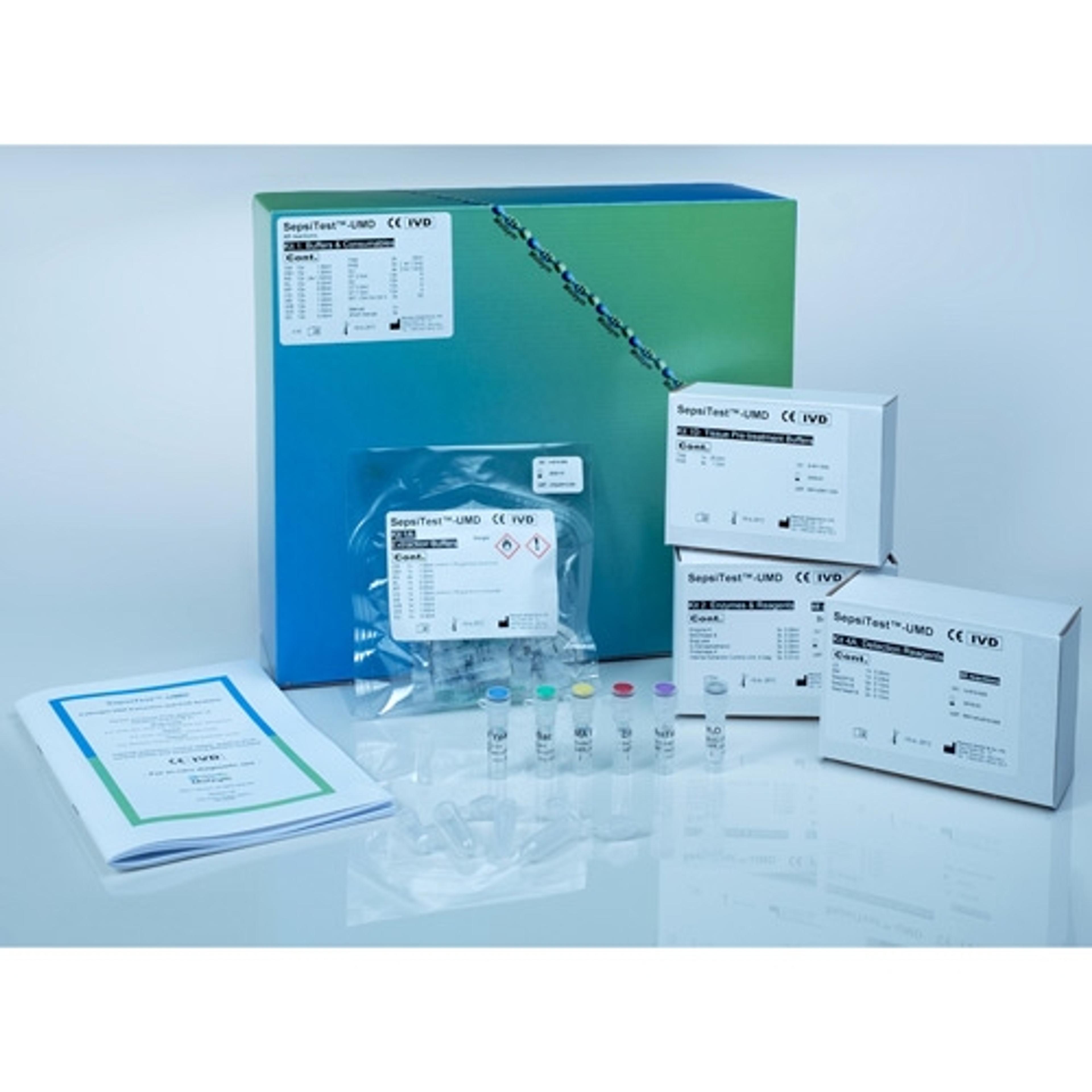
Molzym announces FDA Breakthrough Device Designation for its molecular diagnostic test system
FDA Breakthrough Device Designation for Sepsis, Joint & Implant Infections, Infective Endocarditis, Bacterial Meningitis
12 May 2021
Product news
Molzym’ s unique technology for molecular microbial diagnostics was granted Breakthrough Device Designation (BDD) by the FDA in light of its capacity to aid the diagnosis of Bloodstream Infection/Sepsis, Joint and Implant Infections, Infective Endocarditis, and Bacterial Meningitis as an adjunct to the current standard of care.
The FDA BDD Program aims at providing patients and health care providers with timely access to these breakthrough medical devices by speeding up their development, assessment, and review, while preserving the statutory standards for premarket approval. Under the BDD, the FDA will provide Molzym with interactive communication and priority review towards commercialization decisions.
MMDx utilizes specific enrichment and extraction processes of microbial DNA directly from samples, DNA-free reagents and consumables (including Universal 16S and 18S PCR assays) that detect the presence of bacteria and fungi. Positive PCR results are processed through Sanger Sequencing to identify the specific microorganisms and assist physicians with applicable clinical care pathway decisions - total time-to-result is 7 hours.
The MMDx automated platform processes various specimen types (primarily sterile body fluid, tissue or swab) utilizing the same protocol and pre-filled cartridges, thus optimizing laboratory hands-on time and expenses. MMDx has been in use within public hospitals and private laboratories in Europe since 2007 as a manual process and since 2017 as an automated platform. With a scalable and easy-to-implement automated workflow, Molzym launched its geographical expansion in 2020 into the Asia-Pacific rim, Middle-East, Africa and Latin America. Molzym Molecular Diagnostics (MMDx) is a CE IVD Product but not yet available for sale for diagnostic in the USA.
Gabriel Tirouflet, CEO of Molzym says: “The BDD grant is a fantastic opportunity for the company, not only because it recognized the novelty and high potential of our unique broad-range molecular diagnostic platform, but also because it will enhance our marketing strategy to penetrate the US market. This designation assists physicians in their clinical decisions and contributes to the US Healthcare system as a whole. We will soon engage further with the FDA and apply for marketing authorization. Our goal is to assist all patients in need and contribute to the fight against life-threatening and highly debilitating conditions such as Sepsis, Joint and Implant Infections, Bacterial Meningitis and Infective Endocarditis”.
For more of the latest science news, straight to your inbox, become a member of SelectScience for free today>>
Related products
Request Quote for All Products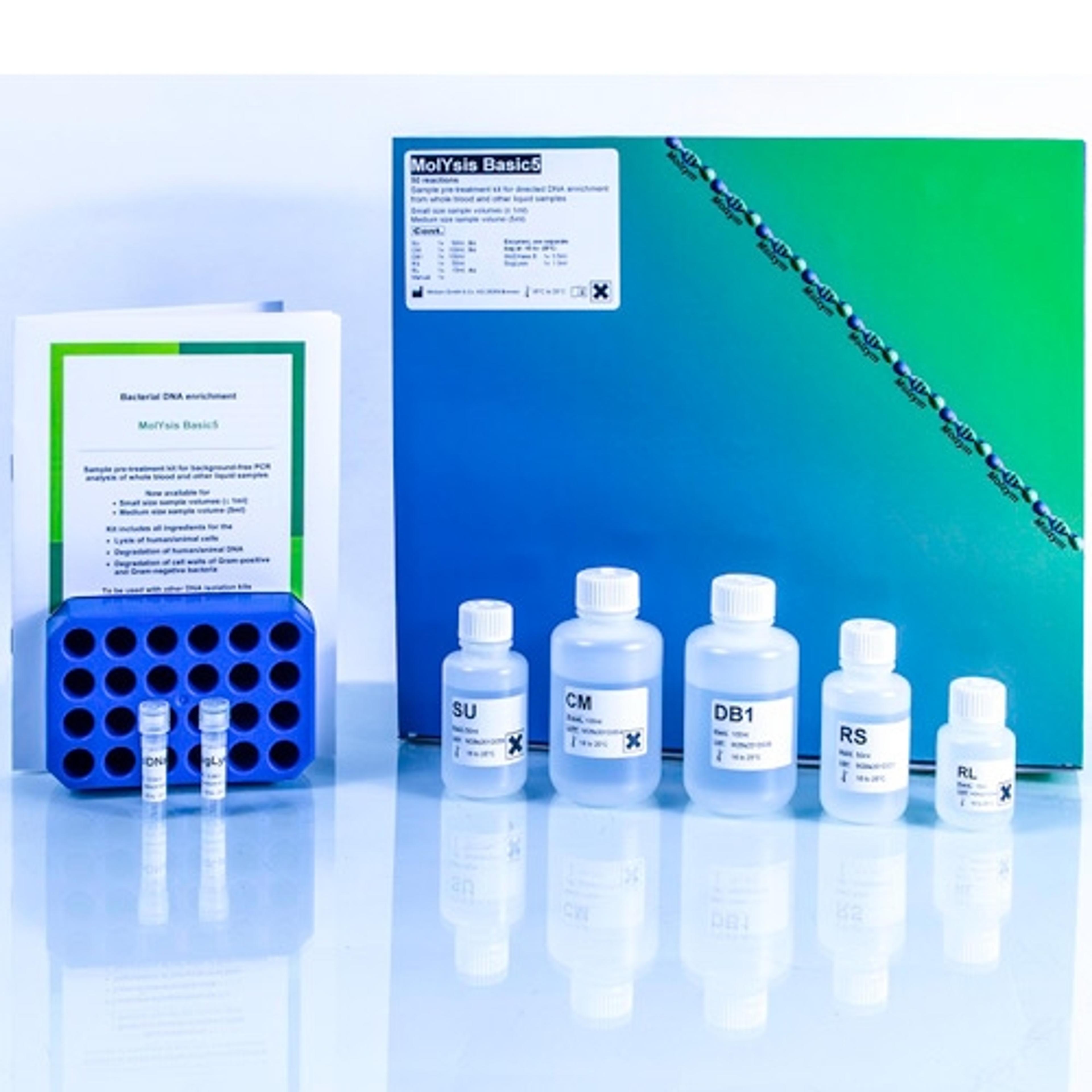
MolYsis™ Basic5
Molzym GmbH & Co. KGHost DNA depletion for extraction of enriched bacterial and fungal DNA with your own DNA isolation system