
miRNAs as Cancer Biomarkers: Overcoming the Challenges of Quantifying Free-Circulating miRNA
Advances in biomarker research using Droplet Digital™ PCR
12 Jul 2015
Editorial article
Dr Manuela Ferracin, Post-Doctoral Researcher, University of Ferrara, Italy

The analysis of epigenetic changes in cancer patients that can be measured non-invasively could hold great importance for the early diagnosis and monitoring of human cancers. Previous research has identified a relationship between microRNAs (miRNAs) circulating in the blood and cancer, highlighting miRNAs as a potential biomarker for the disease. However, there are several challenges associated with the accurate quantification of circulating cell-free miRNAs that researchers must overcome.
SelectScience spoke to Dr Manuela Ferracin, Post-Doctoral Researcher in the lab of Dr Massimo Negrini, University of Ferrara, Italy, about her research into epigenetic alterations in cancer patients, the technology she is using to help address the issues associated with the quantification of circulating miRNA, and the results of her recent journal publication in Oncotarget, which describes a method for absolute quantification of cell-free miRNAs.
Why is the study of miRNA important for cancer research?
The link between miRNA and cancer was discovered 10 years ago. Our group, alongside other groups, discovered that miRNA is deregulated in human cancer and is involved in the pathology of the disease. For this reason, we look at miRNA as a biomarker of cancer pathology. Changes in miRNA can be tracked using several techniques. Our current research looks at circulating ‘cell-free’ miRNA that can be retrieved and measured in the blood.
What are the issues associated with cell-free miRNA quantification?
Cell-free miRNA quantification is very challenging for researchers as there is low abundance of certain miRNA species in circulation; but they are still there and can be measured.
Levels of circulating miRNAs are influenced by several variable factors, so it is very important to standardize all of the pre-analytical variables to get a reliable result. This is something that we are working to obtain more reliable results and to standardize analysis.
What techniques do you use for investigating cell-free microRNA?
In our approach, we use microarrays and NGS as screening tools to identify all miRNAs present in the blood. We then use Droplet Digital™ PCR (ddPCR™) to validate the screening information in all the samples available, as ddPCR can be used to check every single miRNA in many samples.
How has droplet digital PCR helped your research?
ddPCR was the answer to many problems associated with investigating circulating miRNAs, including the limitations of traditional qPCR methods, such as the presence of substances in the plasma and serum that inhibit the reaction, and the problem of low abundance of certain miRNA species. The Bio-Rad QX200™ Droplet Digital™ PCR System allows us to detect EvaGreen assays, which enabled us to use assays that allow us to enlarge the number of miRNAs we were able to check for every sample. With ddPCR, we can work with fixed volumes of material and perform absolute quantification of miRNA present in serum or plasma.
See how Droplet Digital PCR works in this informative video The Role of Droplet Digital™ PCR in Cancer Research and Diagnostics
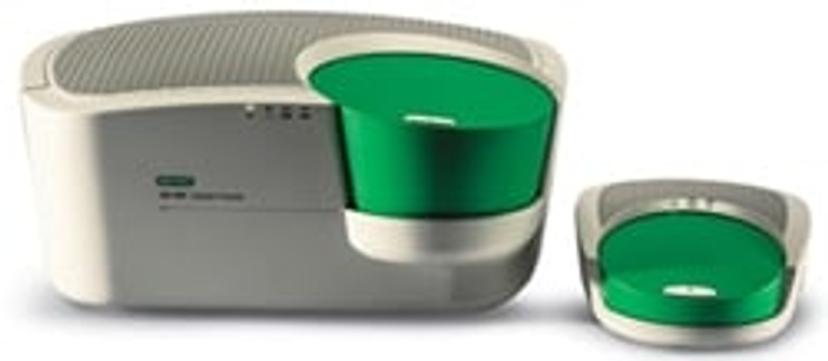
SelectScience also spoke to Yann Jouvenot, PhD, Product Manager, Digital Biology Center, Bio-Rad Laboratories, Inc. about how ddPCR can help researchers like Dr Manuela Ferracin and the future of the technology.
“ddPCR provides quantification of nucleic acids with an unparalleled level of sensitivity and precision, and without need for any external standards. The level of sensitivity that ddPCR enables clinicians and researchers to make observations on cancer markers much earlier than with other methods. Its precision also makes ddPCR a powerful tool for monitoring the evolution of said markers during a patient's treatment.
“Bio-Rad is expanding the use of droplet technology to single-cell RNA-seq applications, enlarging its portfolio of assays (especially with new multiplex kits for cancer markers) and moving towards registration of a ddPCR system with the FDA and other regulatory agencies, to further enable clinicians in their use of ddPCR as a diagnostic tool.”
Why is it important to have absolute quantification of microRNA?
At the moment, there isn’t a reference gene to standardize quantification. We do not know which miRNA don't change in normal and pathological conditions, as it is almost impossible to find out. But using ddPCR we can try to perform an absolute quantification, starting from fixed input amount.
What does your research suggest about the role of microRNAs in the cancer?
During our recent published work, we found a difference in miRNA levels in normal individuals and cancer patients, including several interesting miRNA. We focussed on one miRNA that was differentially expressed in breast cancer patients and normal individuals. We validated this difference using two different cohorts of patients, which were collected and processed using the same workflow. We validated down regulation of miR-181a-5p in both cohorts of cancer patients.
What difference will accurate measurement of cell-free microRNAs make to the diagnosis of cancer patients?
The final goal will be to get an index of the presence of the pathology – so we can measure miRNA in blood to see if levels are higher or lower than expected, and use this to suggest there is the pathology. We know we are far from the full confirmation of circulating miRNA as cancer biomarkers, but we are going near with our study because we have identified that there is a difference.
What are the next steps for this research project?
We will validate results in additional patients, but we also plan to use ddPCR to monitor the levels of circulating miRNAs over time at scheduled time points after tumor removal to see if we can anticipate in some way the presence of relapsing tumor or metastasis. So the idea is to use the biomarker to monitor the eventual disease progression.
Related products
Request Quote for All Products
QX200™ Droplet Digital PCR System
Bio-RadDroplet Digital PCR System, includes droplet generator, droplet reader, laptop computer, software, associated component consumables, for EvaGreen or probe-based digital PCR applications
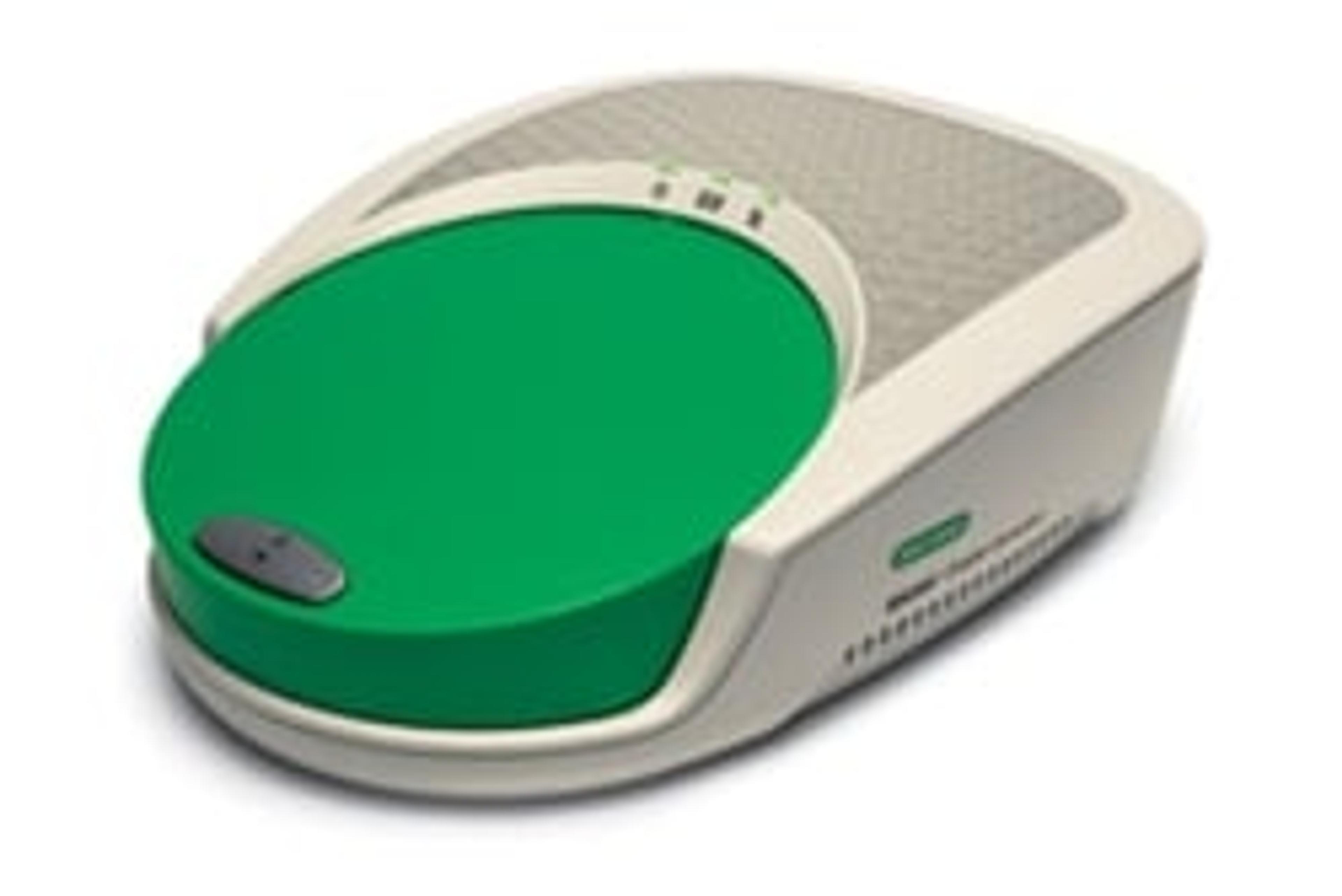
QX200™ Droplet Generator (1864002)
Bio-RadDroplet generator for EvaGreen or probe-based digital PCR applications, for use with QX200™ Droplet Digital™ PCR System