Microplate Surface Supports Growth of Spheroid Cultures

15 Sept 2014
Charlotte Moore
Administrator / Office Personnel

Product news

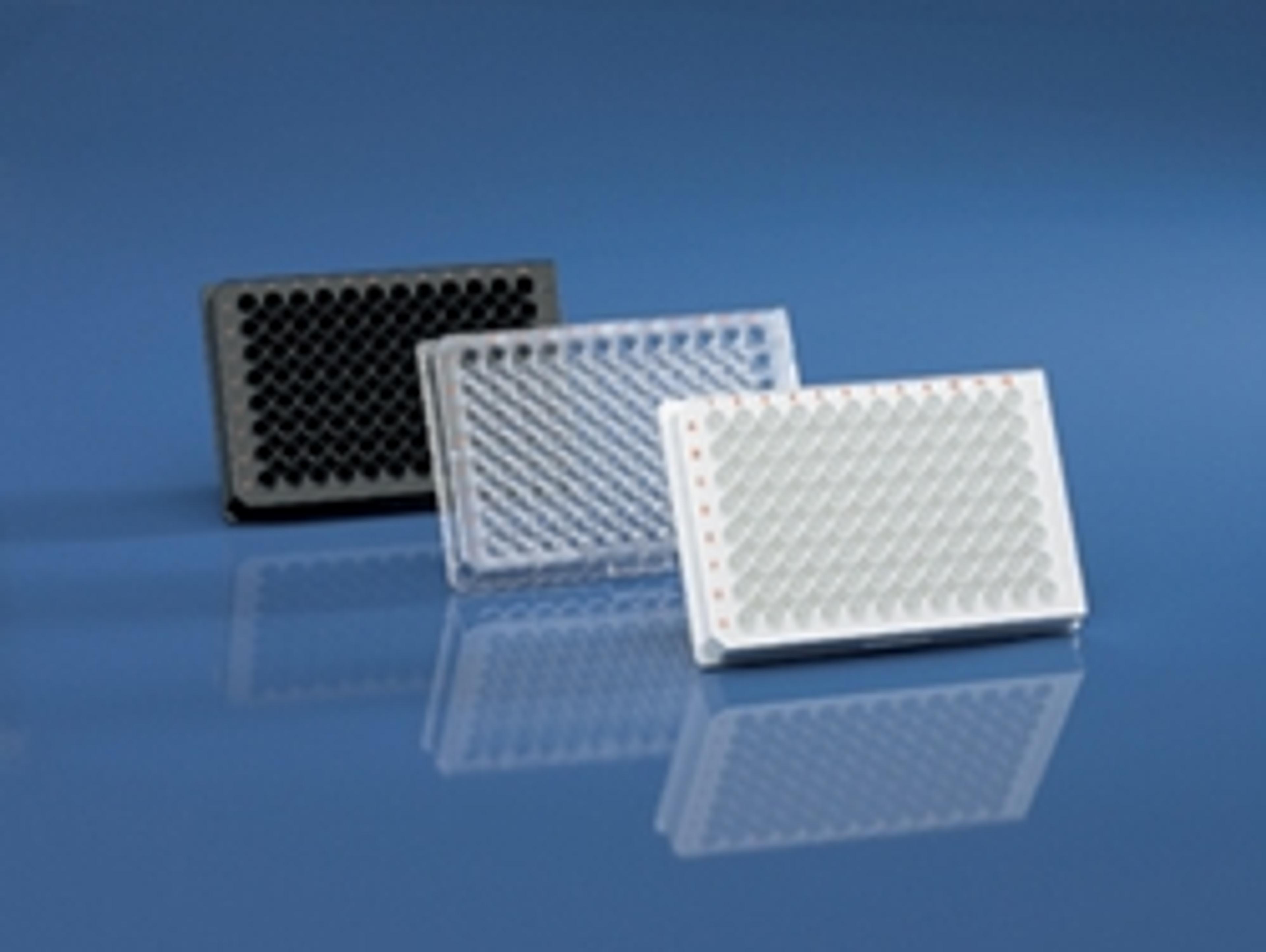
BrandTech Scientific, Inc. announces the availability of inertGrade™ microplates for the cultivation of non-adherent cell lines, spheroids, and stem cells in a 96-well plate format.

These polystyrene plates are manufactured in one of the largest, most modern cleanroom facilities for laboratory disposable items in the world. Rather than the more common treatments to enhance the natural hydrophobic characteristics of polystyrene, these new microplates are treated with a proprietary hydrogel. This creates a hydrophobic interface between the surface of the plastic and cellular material to inhibit cell and protein attachment. This unique low-binding microplate surface successfully suppresses the adhesion of a wide variety of adherent cell lines, can enhance the formation and maintenance of uniform spheroid cultures, and can inhibit early differentiation of stem cells or neurospheres. InertGrade 96-well microplates are available with round, flat, or curved bottoms in clear, white, black, and colored with transparent bottoms.

BRANDplates Cell Culture Microplates - inertGrade™

BRANDTECH® Scientific, Inc.

BRANDplates® inertGrade™ 96-well plates are especially suited for cell culture applications when adhesion is not desired. These plates are specifically designed for the cultivation of suspension, tumor, and stem cells, as well as other spheroid or 3-dimensional tissue culture models. They feature a surface that reduces cell adhesion and protein absorption to minimize enzyme and cellular activation. All BRANDplates® inertGrade™ microplates are sterile according to Ph. Eur. and USP 29, SAL10-6, and are alphanumerically coded with orange embossing for easy plate and well identification. Available clear, white, and black, with U- F- or C-bottom, as well as white or black with transparent bottom, to suit your needs.  

(0)

Links

Tags

Cell / Tissue CultureCell culture or tissue culture is used to study the biology of cells or tissues and to isolate cellular products in an environment which can be manipulated and well defined. Accurately control your culture environment with bioreactors or culture incubators, bind your cells to a surface or together with an extracellular matrix. Distinguish cell types with differential media or proliferate cells with certain characteristics using selective media. Enrich your media with supplements such as growth factors, sera and vitamins. Find the best cell and tissue culture products, kits and equipment in our peer-reviewed product directory: compare products, check customer reviews and receive pricing direct from manufacturers.MicroplatesMicroplates are multi-well plates used to increase the throughput of biological investigations. The number of wells microplates contain can range from 6 to 3243 wells, with the 96-well format being the most commonly used. Microplates can come tailored for a range of applications including cell culture, PCR, filtration, storage, non-binding surface, protein crystallization, as well as pre-coated, deep well and normal Standard microplates. Additionally, options for microplate colors include clear , black, white or black with clear bottom and white with clear bottom for absorbance microplate reader applications. Find the best microplates for your lab in our peer-reviewed product directory: compare products, check customer reviews and receive pricing direct from manufacturers.Cell GrowthCell growth refers to the process by which cells increase in size and number. It is essential for tissue development, wound healing, and cancer research. Understanding and controlling cell growth is a fundamental part of cell biology and regenerative medicine. Browse our peer-reviewed product directory to find the best tools for studying cell growth, compare products, check reviews, and get pricing directly from manufacturers.Cell AnalysisThe analysis of cells allows researchers to understand the factors which contribute to cell health and function. These influencing processes can then be predicted and altered, leading to the development of medication and disease treatments.
Microplate Surface Supports Growth of Spheroid Cultures