Microplate optimised for magnetic bead separations

8 Aug 2022

Ellie Abbott
Biochemist

Product news

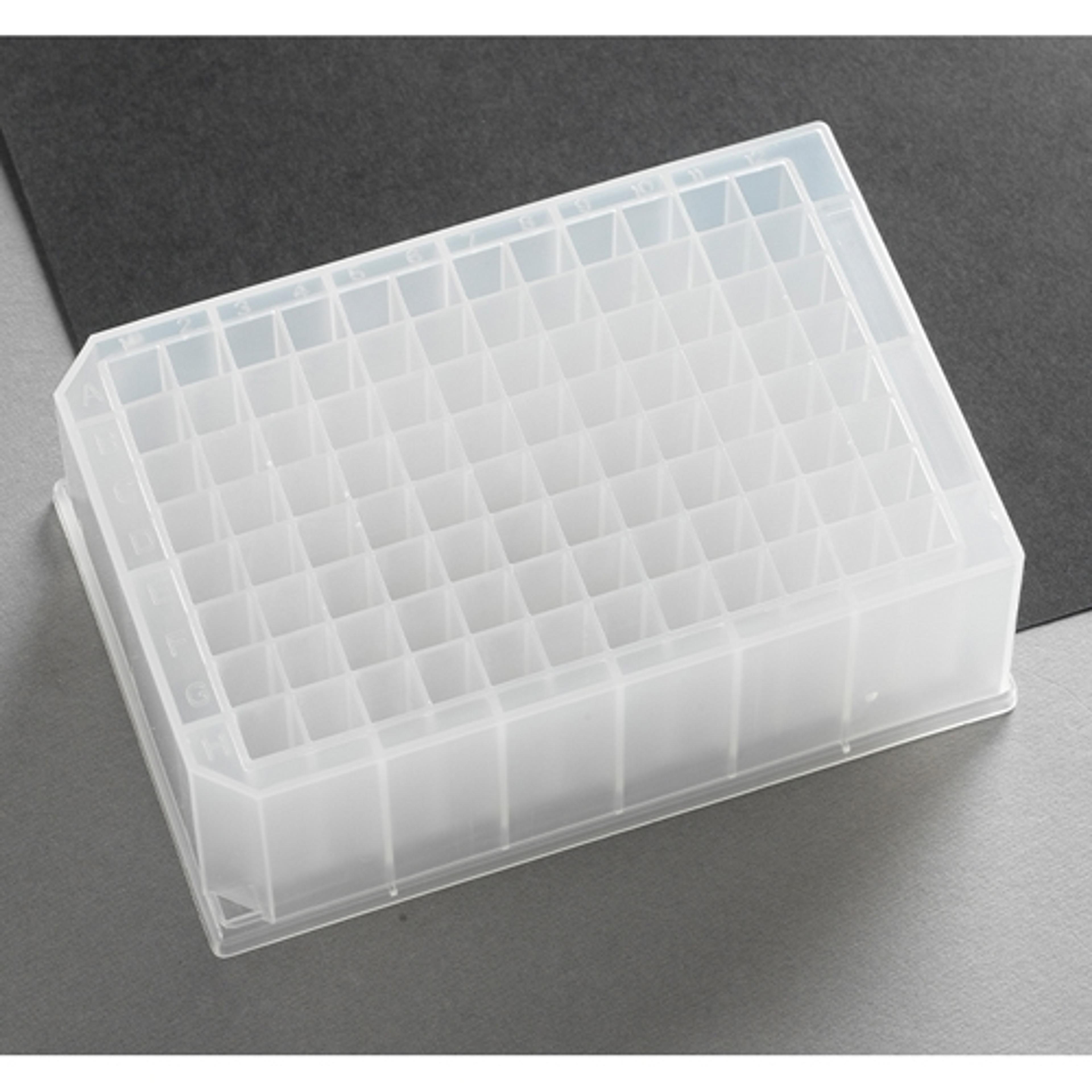
Porvair Sciences has introduced a 96-well deep well microplate designed for labs using magnetic beads for nucleic acid purification, clean up and protein purifications.

The 96-well magnetic bead separation plate has a reinforced base that can be routinely centrifuged at up to 6,000x g enabling faster magnetic bead separation protocols and improved sample quality.

Manufactured in a class 10,000 cleanroom facility from ultra-pure grade polypropylene, the magnetic bead separation plate contains the lowest possible level of leachable contaminants and is certified as RNase/DNase free to minimize any impact on bioassays. Combining round well architecture with ‘U’ bottom and a large working volume (2.0 ml per well) this specialist deep well plate offers improved mixing, pelleting and washing of a wide range of magnetic beads. The cylindrical wells with round bottoms also ensure optimal recovery of sample.

Offering high chemical and temperature resistance (-196 °C to +121 °C) the design of these new plates also includes alphanumeric well coding for easy sample tracking and raised well rims to enable easy, high integrity sealing.

Want the latest science news straight to your inbox? Become a SelectScience member for free today>>
Links

Tags

MicroplatesMicroplates are multi-well plates used to increase the throughput of biological investigations. The number of wells microplates contain can range from 6 to 3243 wells, with the 96-well format being the most commonly used. Microplates can come tailored for a range of applications including cell culture, PCR, filtration, storage, non-binding surface, protein crystallization, as well as pre-coated, deep well and normal Standard microplates. Additionally, options for microplate colors include clear , black, white or black with clear bottom and white with clear bottom for absorbance microplate reader applications. Find the best microplates for your lab in our peer-reviewed product directory: compare products, check customer reviews and receive pricing direct from manufacturers.Microplate Readers / DetectorsMicroplate readers are used to automate the detection and analysis of labeled or label-free components in microplates during assays or live-cell monitoring. Microplate readers are generally distinguished by their mode of detection. Types include absorbance, luminescence, fluorescence intensity, fluorescence polarization, TRF / FRET and multimode microplate readers. Microplate readers deliver a high throughput of samples by reading multiple wells simultaneously, with the 96-well format the most commonly used. As a result, microplate readers are often used in the drug discovery, bioassays, research and pharmaceutical industries for screening applications. Microplate loading can also be automated, with robotic microplate stackers to increase throughput. Find the best microplate readers in our peer-reviewed product directory: compare products, check customer reviews and receive pricing direct from manufacturers.Protein PurificationProtein purification is a vital step in drug discovery, therapeutics, biotech and life science research. The purification process typically involves subcellular or membrane protein extraction with cell lysis kits, separation of proteins from cell debris by filtration or spin columns, and the isolation of proteins of interest from other proteins and impurities with affinity purification (including fusion protein tags and antibody binding proteins A, G and L), immunoprecipitation or chromatographic methods, such as ion exchange, size exclusion and immobilized metal affinity chromatography. All purification methods come in multiple formats for your laboratory needs, including agarose or magnetic beads, resins, columns and filter plates. Find the best protein purification equipment in our peer-reviewed product directory: compare products, check customer reviews and receive pricing direct from manufacturers.Nucleic Acid ConcentrationMicroplate SealerProtein BiologyThe analysis of protein expression, identity and function is vital for many areas of life science research and drug discovery. Some of the most commonly used techniques in protein analysis include Western blotting, electrophoresis and mass spectrometry.