Meeting Highlights – American Association of Cancer Research 2017

Learn about new research technologies available and the Life Sciences Scientists’ Choice Awards winners

3 May 2017

Lucy Vass
Administrator / Office Personnel

Editorial article

The AACR Annual Meeting 2017, held April 1 – 5 in Washington D.C., saw a record attendance of over 21,900. The meeting presented the best in cancer research, including poster presentations from leading scientists and clinicians, workshops from key opinion leaders and exhibition of new research technology. Also at the meeting, SelectScience® announced the winners of the 2017 Scientists’ Choice Awards® for Life Sciences; these coveted awards celebrate laboratory products and manufacturers that make a difference the industry.

Read on to hear about some of the highlights, or visit the SelectScience’s AACR 2017 Event Page to watch exclusive interviews, poster presentations and talks from the meeting.

New Cancer Research

Mass Spectrometry Imaging

Another example of a technology development which aims to improve diagnosis and clinical decisions was presented by Michael Batey, Senior Manager Business Development, Waters Corporation. Michael presented a poster demonstrating how desorption electrospray ionization-mass spectrometry imaging (DESI-MSI) technology from Waters could be used to quickly detect necrosis in a preclinical model of breast cancer.
Watch Now >>

Biotheraputics

Attendees could also listen to workshops by leaders in research and industry. A highlight for those interested in biotheraputics was a presentation given by Dr. John Ludlow, Executive Director of Regenerative Medicine, Zen Bio Inc., exploring methods of utilizing extracellular vesicles as cancer biomarkers and therapeutics.
Watch Now >>

Liquid Biopsy

The increasing use of liquid biopsies for diagnosis and personalized treatment was a key topic at AACR 2017. Dr. Geoffrey R. Oxnard, Assistant Professor, Dana-Farber Cancer Institute, Harvard Medical School, presented his research into chemotherapy resistance using Droplet Digital PCR to analyze genetic alterations in cell-free DNA from liquid biopsies.
Watch Now >>
SelectScience® interviewed Dr. Geoffrey R. Oxnard

Product Launch Highlights

A wide variety of innovative new instruments were launched at AACR 2017, all designed with the aim of accelerating cancer research and diagnostics. Read on for our top three picks:
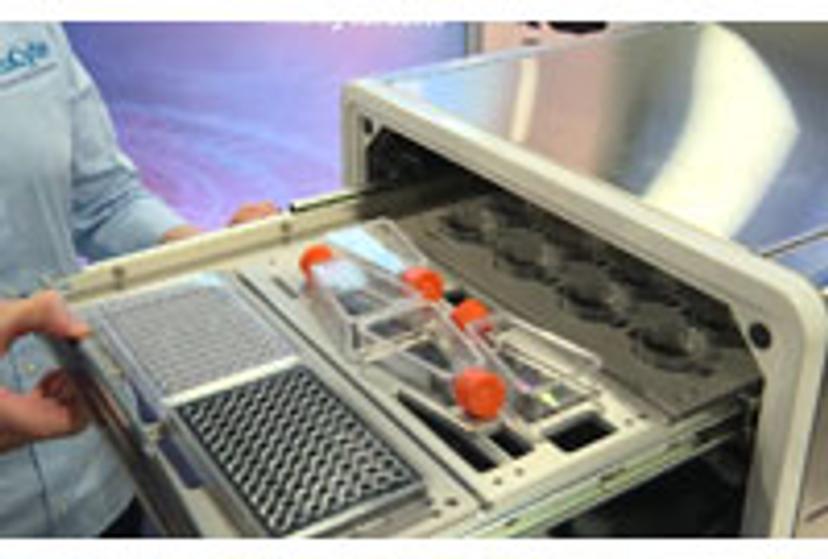
1. Essen BioSciences launched the IncuCyte® S3 Live-Cell Analysis system, an instrument which can carry out real-time, automated measurements of cell health, proliferation, movement and function, all from inside the incubator. Hear Dr. Kim Wicklund, Director of Product Management at Essen BioScience discuss how the instrument can facilitate physiologically relevant in vitro assays to provide researchers with a deeper insight into cell biology.
Watch Now >>

2. MilliporeSigma expanded their oncology research offering with the SMCxPRO™, a powerful and compact protein quantifier which employs single molecule counting technology, allowing researchers to detect proteins with femtogram/mL sensitivity. In this interview, Dr. Heather Holeman, Head of Life Science Reagents and Kits at MilliporeSigma introduces the new instrument and discusses its application in cancer research, including biomarker discovery, assay development and drug discovery.
Watch Now >>

3. Analytik Jena US launched the UVP ChemStudio touch, a high sensitivity imager for a variety of genomic and proteomic analyses such as Western blotting, immunoblots and DNA gels. Sarah Chaudhery, Product Manager, Analytik Jena US, showcases the instrument’s new features, such as the integrated touchscreen, and describes the benefits of high-performance specifications to users.
Watch Now >>

Innovative Exhibitors

Over 400 exhibitors showcased their new instruments and services in laboratory and clinical research.

Gene Expression

SelectScience® interviewed Dr. Paul Diehl, Chief Operating Officer at Cellecta, who described how the company combines gene editing and gene synthesis with NGS to develop assays that customers can use to enable their research into tumorigenesis.
Watch Now >>

Laboratory Efficiency

For those looking to save time and bench space in the laboratory, Ryan Rostkowski, Centrifuge Product Manager at NuAire Inc., presented the NuWind Multi-Application Centrifuge and described its innovative features.
Watch Now >>

Scientists Choice Awards®
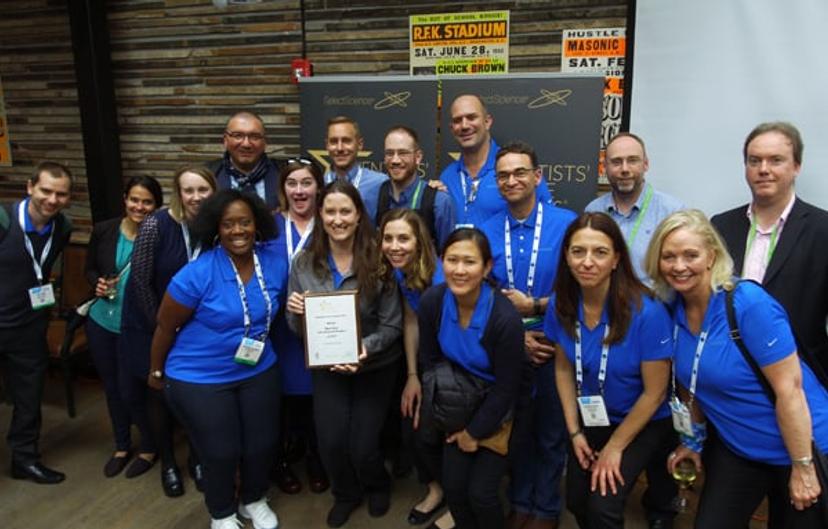
Scientists' Choice Awards® Ceremony at AACR 2017


On April 3, SelectScience announced the winners of the 2017 Scientists’ Choice Awards® for Life Sciences. Highlights included two innovative products picking up awards;

Read More about the 2017 Life Sciences Scientists’ Choice Awards® >>

A highlight of the editorial awards was the, Life Sciences Video of the Year, which was given to Dr. Peter O’Toole from the University of York, with ZEISS Microscopy, for a unique presentation which discussed benefits of 3D microscopy for biologists.
Watch Dr. Peter O’Toole’s acceptance video >>

To watch more interviews, poster presentations and workshops, visit the AACR 2017 Event Page.

Links

Tags

Mass SpectrometryMass spectrometry (MS) is a powerful analytical technique used to identify and quantify molecules based on the mass-to-charge ratio of gas-phase ions. It provides detailed information about the structure, composition, and properties of compounds and is widely used across fields such as environmental monitoring, materials science, drug discovery and development, food and beverage testing, and wider chemical research. Key MS techniques include tandem mass spectrometry (MS/MS), liquid chromatography–mass spectrometry (LS-MS) and inductively coupled plasma (ICP-MS). Choosing from these wide range of techniques and technologies can be a daunting task, so keep up to date with scientific applications, performance expectations, and customer reviews here all in one place. Visit our product directory to receive quotes direct from the manufacturer. Western BlottingWestern blotting equipment is used to transfer and identify specific proteins within a sample, reveal protein modifications, as well as give a semi-quantitative estimation of their concentration. Western blotting equipment includes all apparatus necessary to transfer proteins from gel to membrane and subsequent processing steps. Protein transfer can be performed by electroblotting with wet, semi-dry and dry transfer systems onto nitrocellulose and PVDF membranes. Blocking, washing and labeling of membranes follows, involving buffers, blocking reagents, blotting / incubation trays, labeling reagents, immunoblotting assays, antibodies and conjugates. Automated equipment for these steps is available to accelerate your lab workflow. Finally, detection and imaging of proteins can be conducted using gel documentation and imaging systems. Find the best western blotting equipment in our peer-reviewed product directory: compare products, check customer reviews and receive pricing direct from manufacturers.Cell / Tissue CultureCell culture or tissue culture is used to study the biology of cells or tissues and to isolate cellular products in an environment which can be manipulated and well defined. Accurately control your culture environment with bioreactors or culture incubators, bind your cells to a surface or together with an extracellular matrix. Distinguish cell types with differential media or proliferate cells with certain characteristics using selective media. Enrich your media with supplements such as growth factors, sera and vitamins. Find the best cell and tissue culture products, kits and equipment in our peer-reviewed product directory: compare products, check customer reviews and receive pricing direct from manufacturers.Genome AnalysisGenomics, the study of genomes, includes functional genomics, evolutionary genomics and comparative genomics. There are many genomic technologies such as DNA sequencing of whole genomes, computational biology and bioinformatics. DNA and nucleic acids must be isolated and concentrated from cells for analysis with kits, automated analyzers and software. Other useful technologies for studying genomics include PCR, microarrays and electrophoresis.ELISAEnzyme-linked immunosorbent assays (ELISA), also known as enzyme immunoassays (EIA), are used for the detection and quantification of proteins, peptides and antibodies in a sample. ELISA often comes in kit format, with pre-selected antibody pairs to detect specific proteins or biomarkers of diseases such as diabetes and obesity, or cardiovascular and neurological disorders. Detection is made possible with chemiluminescent, fluorescent or colorimetric substrates and detection instruments such as microplate / ELISA readers. Other kits available include: Enzyme-linked immunospot (ELISPOT) assays for the quantification of protein-producing cells and chemiluminescent immunoassays (CLIA) kits. Find the best ELISA kits and products in our peer-reviewed product directory: compare products, check customer reviews and receive pricing direct from manufacturers.ProteomicsProteomics is the systemic bioinformatics study of proteins and amino acids, including their structure, size, function and identification. Tools used in proteomics include chromatography, blotting and gels, protein arrays, mass spectrometry and ELISA and associated analysis software. Analyzers and proteomic systems should be sensitive, high resolution, fast and may be automated for high-throughput.PCR and Thermal CyclingPolymerase chain reaction (PCR) kits and thermal cyclers are used for the in vitro amplification of DNA permitting subsequent analysis and experimental procedures. Explore a range of high-quality polymerase, primers and nucleotides or simplify your workflow with a PCR mastermix. Find reverse transcription PCR (RT-PCR) and cDNA synthesis kits for RNA products and libraries. Quantitatively measure the amplification of DNA with real-time PCR (qPCR) and droplet digital PCR (ddPCR) kits and systems, and discover automated PCR setup solutions to increase throughput. Alternative DNA amplification methods also include recombinase polymerase amplification (RPA) kits. Find the best PCR kits and thermal cyclers and purification equipment in our peer-reviewed product directory: compare products, check customer reviews and receive pricing direct from manufacturers.Cell Lines Stem Cells and Primary CellsPrimary cell cultures, established cell lines and stem cells are vital for <i>in vitro</i> and <i>ex vivo</i> experimentation. High-quality cells, optimized for your applications, alongside optimized cell substrates, growth medium and supplements, are critical for experimental success. Explore a range of cells suitable for your applications, including isogenic cell lines, competent cells, induced pluripotent stem cell (iPSC)-derived cell lines, fungal/bacterial/mammalian cell lines, stem cells and cancer cell lines. Find the best cells for your research in our peer-reviewed product directory: compare products, check customer reviews and receive pricing direct from manufacturers.Gel Doc / Image AnalysisGel documentation (gel doc) or gel imaging systems are used for the analysis of proteins, antibodies and nucleic acid immobilized in polyacrylamide or agarose gels, membranes or microarrays. Explore a range of a gel imaging systems, densitometers, scanners, transilluminators or UV lamp + CCD cameras for your image analysis solutions. Colorimetric, fluorescent and/or radioisotopic samples can be visualized and documented for further analysis. See gel doc / Image analysis software for quantitative 1D and 2D analysis of your samples. Find the best gel doc / image analysis products in our peer-reviewed product directory: compare products, check customer reviews and receive pricing direct from manufacturers.Microplate Readers / DetectorsMicroplate readers are used to automate the detection and analysis of labeled or label-free components in microplates during assays or live-cell monitoring. Microplate readers are generally distinguished by their mode of detection. Types include absorbance, luminescence, fluorescence intensity, fluorescence polarization, TRF / FRET and multimode microplate readers. Microplate readers deliver a high throughput of samples by reading multiple wells simultaneously, with the 96-well format the most commonly used. As a result, microplate readers are often used in the drug discovery, bioassays, research and pharmaceutical industries for screening applications. Microplate loading can also be automated, with robotic microplate stackers to increase throughput. Find the best microplate readers in our peer-reviewed product directory: compare products, check customer reviews and receive pricing direct from manufacturers.Flow Cytometry / Cell CountingFlow cytometers are used to count, sort and examine multiple characteristics of cells. Other cell analysis equipment includes image cytometers, cell counters, fluorescence-activated cell sorters (FACS), magnetic-activated cell sorters (MACS), and a range of flow cytometry assay kits. Flow cytometers can reveal information on cell viability, cell proliferation, apoptosis and cell cycle progression, as well as identify cell populations and intracellular or cell-surface molecules. Additionally, some flow cytometers, known as FACS, have an additional sorting function after analysis. Cell counters and image cytometers count live and dead cell populations and can also conduct cell proliferation assays. Find the best flow cytometers, cell counters and cell sorters in our peer-reviewed product directory: compare products, check customer reviews and receive pricing direct from manufacturers.Cellular PathologyCellular Pathology deals with the microscopic analysis of tissue samples and cells. Sample preparation and processing includes fixation, staining, sectioning and slide mounting, using equipment such microtomes and cryostats. In choosing immunohistochemistry and immunocytochemistry kits, consider chromogens, staining method, antibodies, microscopes and imaging.Cell-Based AssaysCell-based assays are used to monitor the presence, quantity and activities of a desired cellular analyte including drug molecules or biomarkers. This can reveal information on cell health (apoptosis, cytotoxicity, viability and proliferation assays), cell metabolism, cell migration and cell signaling mechanisms. Find the best cell-based assay products, kits and equipment with our peer reviewed product directory: compare products, check customer reviews and receiving pricing direct from manufacturers.DNA / RNA Extraction and PurificationPurified DNA and RNA are required for numerous downstream molecular biology applications. Consequently, the importance of high-quality DNA/RNA extraction and purification equipment cannot be underestimated. Many purification kits are available and are typically optimized for nucleic acid type and source, including plasmid DNA, genomic DNA, mRNA, RNA and viral nucleic acid purification kits. Automated extraction and purification of nucleic acids can be implemented with magnetic bead separator instruments or high-throughput purification workstations. Find the best DNA/RNA extraction and purification equipment in our peer-reviewed product directory: compare products, check customer reviews and receive pricing direct from manufacturers.DNA SequencingDNA sequencing, such as sanger sequencing, is a biological technique that determines the precise order of nucleotide bases in a fragment or template of DNA. DNA sequencers and genetic analyzers are based on capillary electrophoresis, where labeled DNA fragments are electrophoretically separated by size as they migrate through a polymer. Find the best DNA sequencing products, including DNA sequencing kits, genomic libraries and genetic identity kits in our peer-reviewed product directory: compare products, check customer reviews and receive pricing direct from manufacturers.