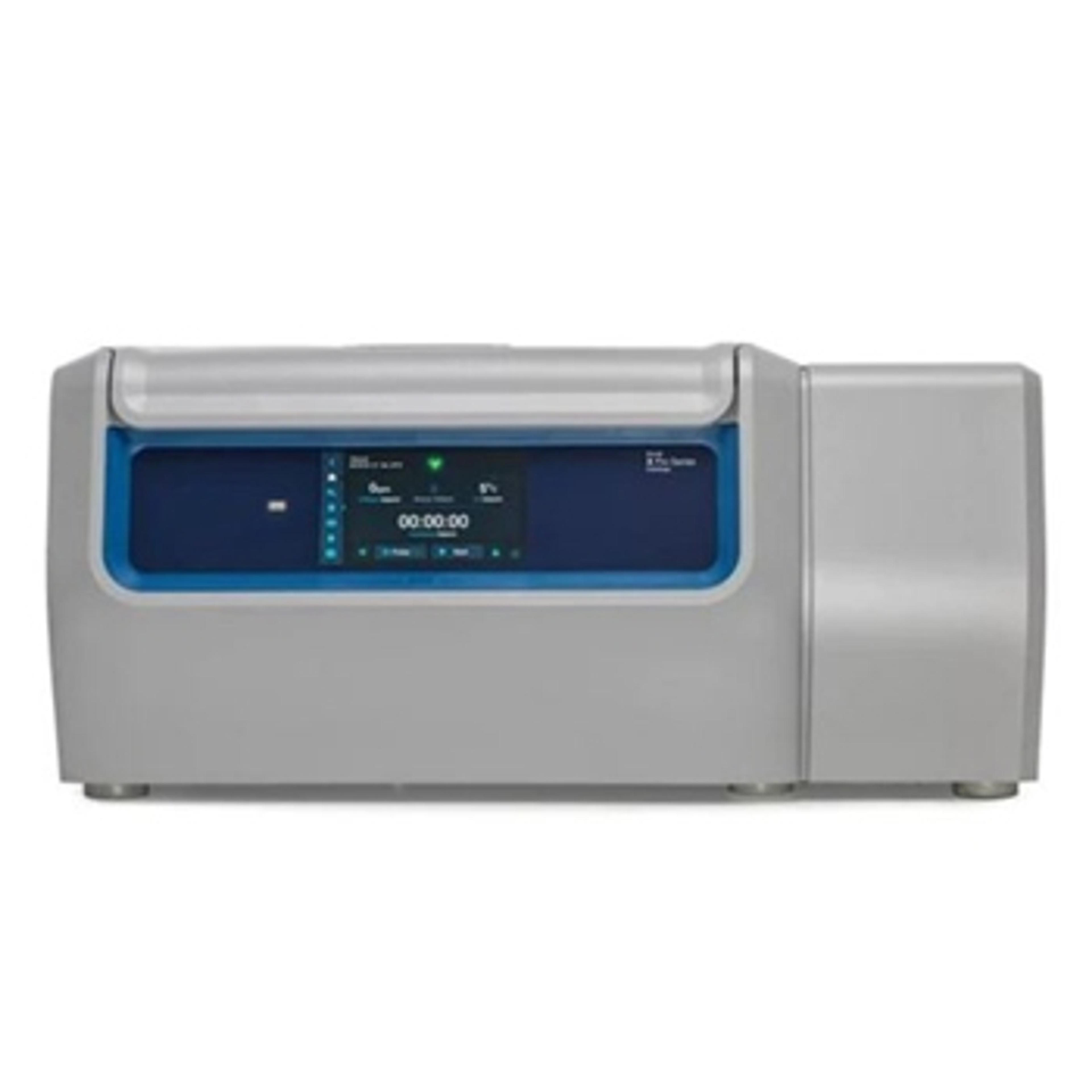
Meeting good manufacturing practice guidelines for cell and gene therapy products: Why your equipment matters
Discover the most common challenges faced when implementing new equipment in your manufacturing workflow and what to look for when choosing new equipment
23 Mar 2022
Editorial article
Cell and gene therapies are subject to unique and stringent manufacturing processes that ensure safety, consistency, and reproducibility. These targeted, complex therapies, which work by introducing cells or vectors containing genes into a patient, have the potential to cure rare and difficult-to-treat diseases across a range of medical areas. There are numerous cell types and vectors in development and consequently, a variety of production methods. With an increasing number of clinical trials, good manufacturing practice (GMP) guidelines are adapting to meet the demands of the latest technologies and scientific advances in the field.
In this SelectScience article, Kris Wronski, Cell Culture Applications Scientist for EMEA at Thermo Fisher Scientific, discusses key challenges surrounding the lab equipment used in cell and gene therapy manufacturing, and solutions to meet GMP guidelines that will help you accelerate production and avoid delays.
Complex manufacturing processes
Compared to traditional pharmaceutical manufacturing, the production of live cell and gene therapy products is a very complex process. There are many variables that determine the workflow; from the isolation of cells from source tissue to activation, modification, expansion, harvesting, and final product formulation and cryopreservation. Contamination is a key concern in the therapeutic manufacturing process. If contamination occurs, it can impact the safety and efficacy of a therapeutic, resulting in unusable products, costly clean-ups, and potential delays in providing drugs to patients. Unlike small molecule drugs and their raw materials, which can withstand sterilization using heat, cell and gene therapeutics face additional contamination risks in ensuring a high-quality final product.
Wronski, who has worked in both academia and the pharmaceutical industry, explains, “cell and gene therapies are much more at risk when it comes to different types of contamination. You can have microbial contamination and different types of particulate contaminations in that process. And, if they end up in that product, then you can't sterilize them at the end with heat. So, it is a huge risk for the patient to have those contaminants in a final product.”
Overcoming challenges in manufacturing
Advanced therapeutic manufacturing facilities must use stringent cleanroom environments, such as ISO Class 5 and beyond, and follow GMP guidelines in the production process to ensure the final product is consistent, safe, and meets regulatory requirements – from record keeping to contamination control, and equipment and process validation. Instrumentation plays a key role in ensuring the quality of therapeutic products and it is important to ensure your equipment meets the latest GMP guidelines.
Qualifying equipment for your process
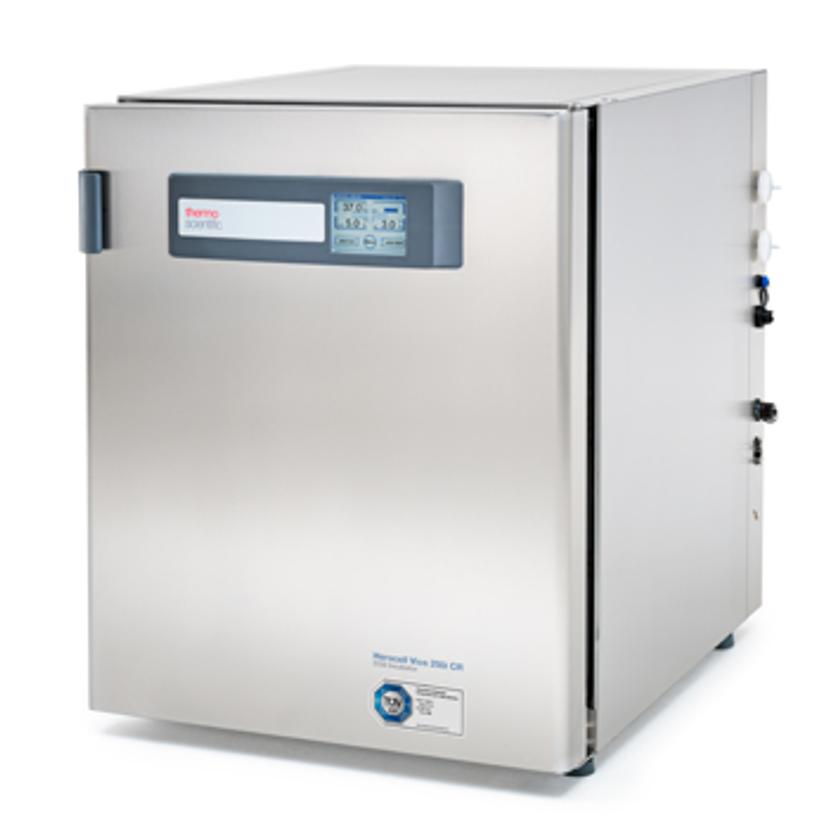
One of the first challenges faced in process development is implementing new equipment. Introducing consumables, reagents, and instruments into the advanced therapeutic manufacturing workflow presents a contamination risk. To support this process, it is important to ensure the equipment used is compatible with GMP manufacturing environments for cell therapies and its use is validated. “There's a full spectrum of documents required including different certificates covering construction materials and how the equipment is designed,” explains Wronski. “You need that knowledge about the equipment to establish if it's compatible with your process and the products you are going to manufacture.”
Not having the correct documentation for your equipment could delay operation by months and can make passing external audits difficult. The process of validating equipment, including installation, operation, and performance qualification, and collating the required certificates can be time consuming. Here, it is particularly advantageous if the equipment manufacturer can provide the required regulatory documentation to validate the instrument.
“Probably the most important is the factory acceptance testing (FAT) report, which validates the equipment at the factory and helps establish its credibility. And if you have that provided by the manufacturer, that qualification process can be much easier and much more time efficient,” says Wronski. Thermo Fisher Scientific, for example, provides a comprehensive documentation binder for its cell therapy systems (CTS) lab equipment, containing relevant certificates required for validation and audits. Wronski shares, “those manufacturers can qualify that equipment and then pass external regulatory audits much quicker so they can fully concentrate on manufacturing lifesaving therapeutics.”
Compatibility with stringent cleaning protocols
Due to the complexity of individual steps in advanced therapeutic manufacturing protocols, it is very often not possible to use a complete closed system. Consequently, a cleanroom environment is used to enable control of contaminants. “There are a lot of standard operating procedures on disinfection and cleaning. This can be really stringent in those cleanrooms,” Wronski explains. However, the compatibility of laboratory equipment with these procedures is often overlooked. “Those rooms very often have to be disinfected with full room fumigation procedures, like vaporized hydrogen peroxide, which is very highly concentrated and can be very tough on materials, causing corrosion and peeling of paint on equipment. It can cause a lot of problems and you have to replace that equipment, which is an additional cost,” Wronski explains.
Here, it is important to look for equipment that is compatible with the cleaning protocol you plan to use before implementing it in your manufacturing workflow. Thermo Fisher Scientific has tested the ability of its equipment to withstand many common cleaning protocols so manufacturing facilities can be reassured of the lifespan of their investment. Wronski shares, “we tested a lot of our equipment compatibility with disinfection protocols, including vaporized hydrogen peroxide provided by companies like STERIS, a very popular protocol. And we established that our equipment is compatible.
Minimizing contamination risk
Within the cleanroom environment, particulate levels are constantly measured to help detect contamination risk. One overlooked source of particulate contamination is laboratory equipment itself. “Equipment is actually listed as the number two source of particle emission, after human beings, in controlled environments. And this is very often forgotten,” says Wronski. If missed during initial validation, this can result in manufacturing facilities having to re-validate their full system to account for particulate contamination when equipment is in operation. Here, Thermo Fisher Scientific equipment for cell and gene therapy manufacturing environments is pre-validated for particle emission, saving facilities resources and money.
Quality control measures
To ensure patient safety, it is essential that the final cell and gene therapeutic products are high-quality and contamination free. “Equipment can have a direct impact on the quality of that cell product. Everything that goes into that equipment, such as design features when equipment is in operation, can impact the quality of the cells,” Wronski says. As equipment plays such an important role in controlling final product quality, it is essential to look for instruments that provide specific features to minimize contamination. “If you have these really advanced features for contamination prevention and they are validated, you know they are reliable, consistent and reproducible, and you know that you will have a good quality product at the end using that equipment,” he continues.
The future of cell and gene therapy manufacturing
As methods and technologies improve and advance, GMP guidelines regularly adapt to meet the requirements of this emerging field and the industry is striving to develop new standardized processes where possible. Wronski sees a key role for automation in cell and gene therapy manufacturing workflows. “More automation leads to less manual handling, and less manual handling leads to less contamination risk,” Wronski details. He also highlights the role of sterilized single-use technologies, in further reducing contamination risk, and trends towards integrating quality control technology into the production process where possible, so that safer therapies can be brought to patients faster.