
Meet Naser, Organometallic Chemist and SelectScience Reviewer of the Month - October 2017
Naser Jasim discusses his work, his inspiration and his scientific hero
30 Sept 2017
Editorial article
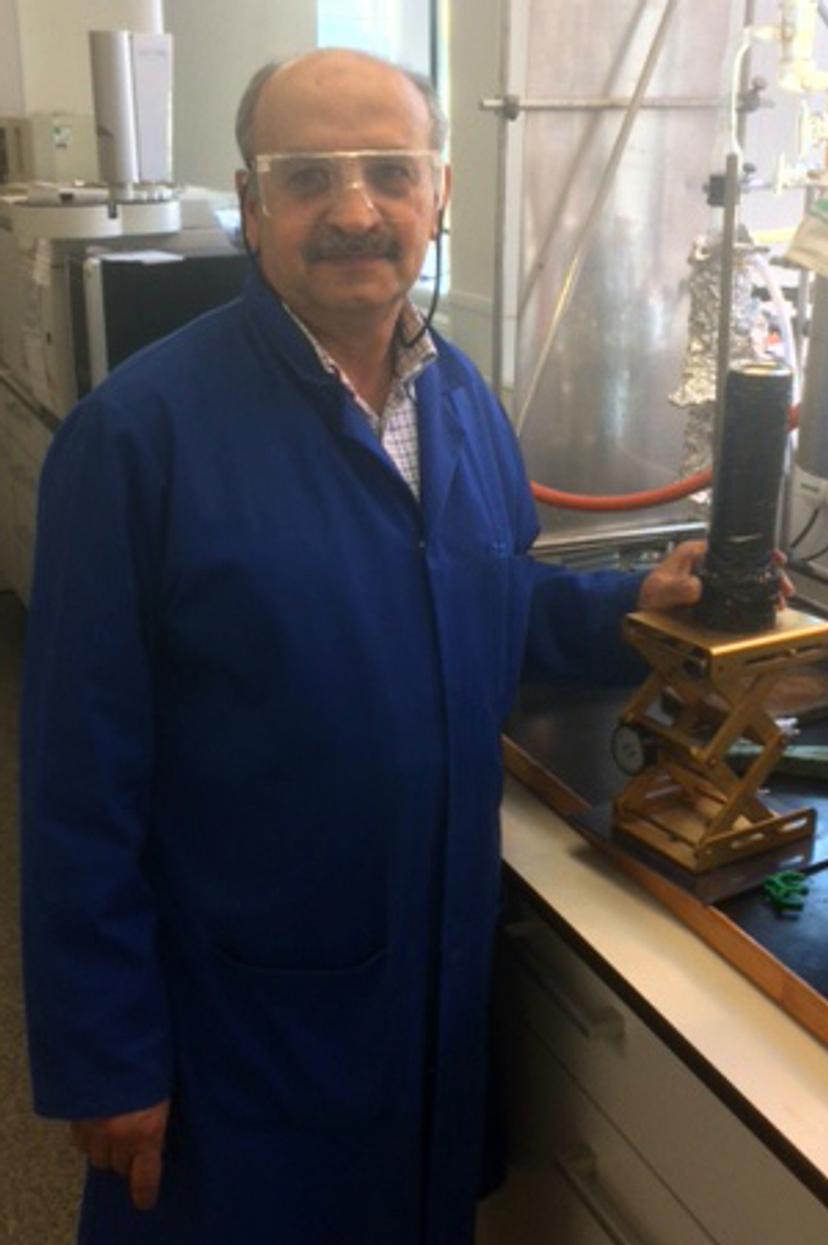
Naser Jasim works as an experimental officer at the University of York where he researches C-X bond activation (X = F, H, O) and metal fluoride complexes. Here Naser tells us about his work in organometallic chemistry and finding the right tool to solve problems in his field of chemistry.

What are you working on?
I’m currently working with organometallic chemistry using Pt, Ni, Rh and Ru, and looking at C-F, C-H, Si-H and B-H catalytic activation, the synthesis of fluoride and bifluoride complexes and their application in chemistry.
What does a typical day in the lab look like for you?
On a typical day, I’ll be checking the labs, reviewing my research and the research of my students, running nuclear magnetic resonance (NMR) samples using advanced 2D methods. If I’ve got time, I also try to keep an eye on a few emails!
What inspired you to get into the world of science?
I’ve had a keen interest for science and an eye for research since I was teenager, and it drove me into the world of science, where I discovered the fantastic instrumentation and tools I needed to solve my problems. All the tools were reliable, easy to use, and long living, so I decided I’d stick around.
How did you get into your specific field of work?
I’d studied some papers that attracted me to this facet of chemistry. I discussed them with my supervisors, and I enjoyed the real-world applications that they provided. This sparked an interest in chemistry research and specifically research in the C-F activation challenge - to break a robust bond through the design of a transition metal complex.
Why are product reviews important?
Reviews are so important and helpful as a guide of information from skilled people to assist scientists in finding the right tool or instrument to solve their problems and aid them in their work.
Why is communication in science key?
We need to continue exchanging information and keep ourselves up to date in the newest discoveries in a world of ever progressing science.
What’s the most innovative piece of lab equipment you use?
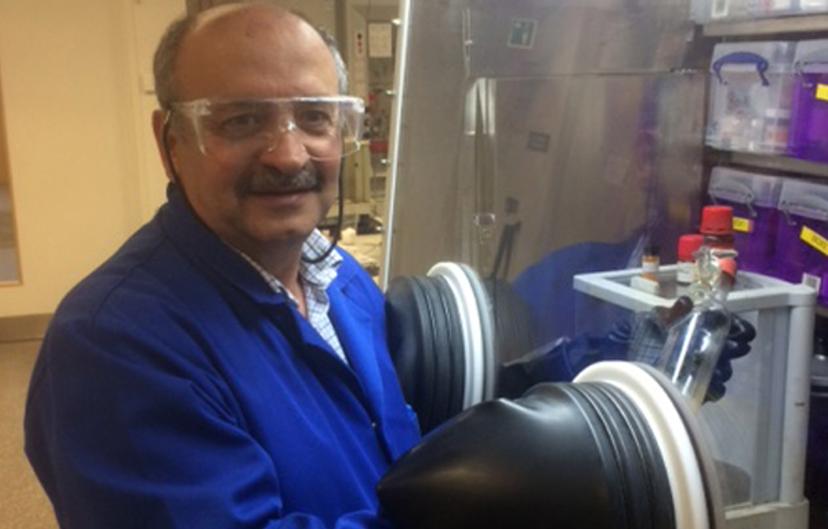
Gas Chromatography and Infrared Spectroscopy (GC-IR) equipment for separation and identification of samples.
What’s your favourite piece of lab equipment?
My favourite pieces are used for IR and NMR techniques.
In my lifetime, I’d like science to achieve a cure for cancer. Obviously.
Naser Jasim University of York
Who is your hero in science and why?
Robert Crabtree - he’s just so smart! He has knowledge far and wide in the field and is incredibly successful.
What’s the biggest story in science right now?
There’s a huge focus on drug design at the moment, not just in chemistry, but in other sciences as well. In chemistry we’re focusing on catalysis, production, and real-world applications.
Leave a review of your own for your chance to be featured as our next Reviewer of the Month.
Related products
Request Quote for All Products
Atlas™ Autotouch Press
Specac LtdThe Specac flagship Autotouch Press is designed for high volume laboratory sample preparation for XRF and other elemental analysis techniques, capable of pressing a single sample in under two minutes when augmented with the Apex automated die system.
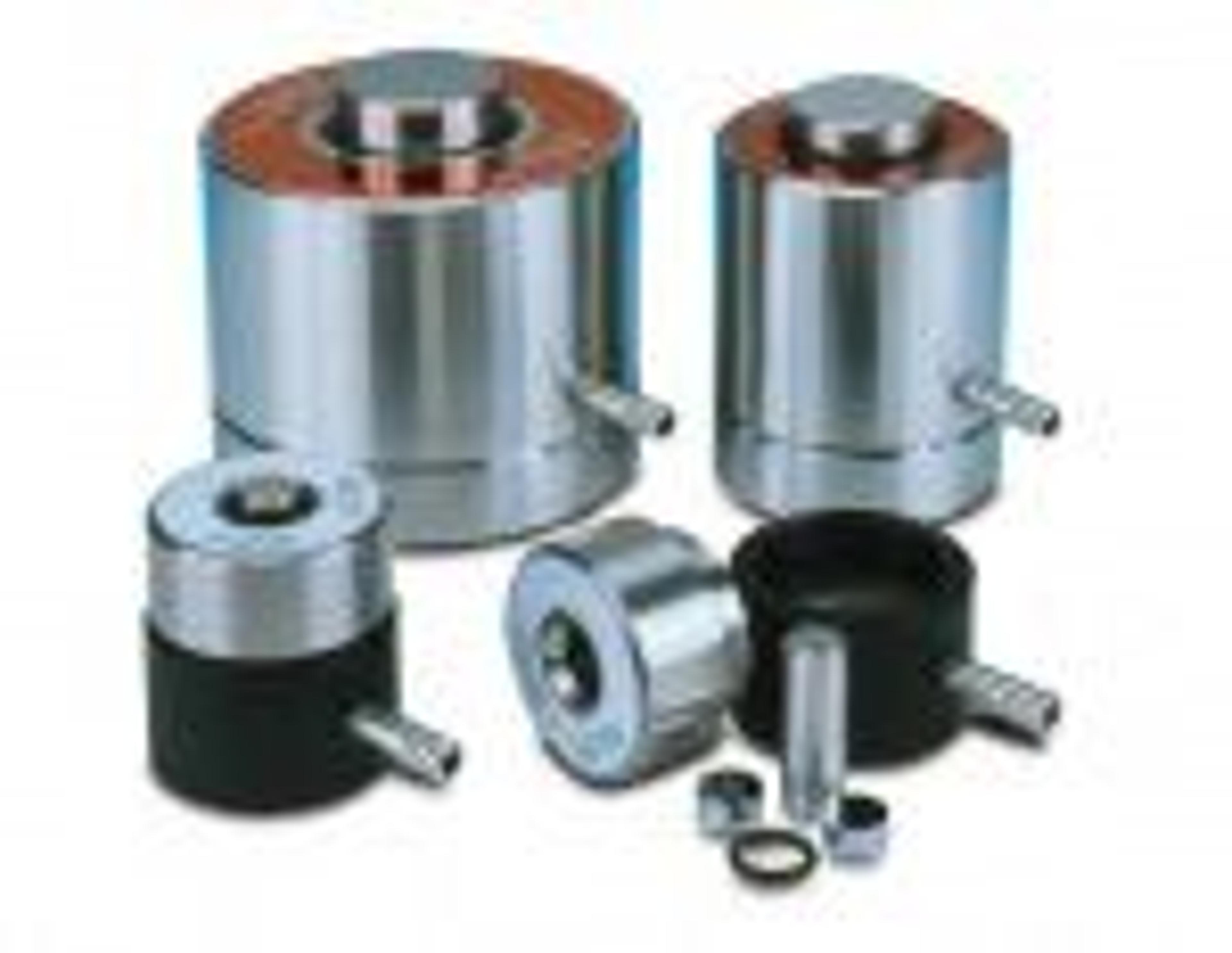
Evacuable Pellet Dies
Specac LtdSpecac manufactures a wide range of high-quality Evacuable Pellet Dies suitable compacting powdered samples into discs or briquettes. These are particularly well suited for the preparation of solid KBr pellets for FTIR molecular spectroscopic analysis and XRF pellets for X-Ray Fluorescence atomic spectroscopic analysis (as required by a number of USLP and ASTM methods), but also find use in a broad range of other applications. Atlas Series Evacuable Pellet Dies are typically used in conjunction with the Specac’s Atlas Series of Hydraulic Press Products. These Evacuable Pellet Dies produce circular pellets in sizes from 5 mm to 40 mm diameter as standard, but other shapes and sizes are available on request. These pellet dies cover a range of load capabilities. For optimum quality and durability of the pellet die, all parts are manufactured from hardened stainless steel, and surfaces that come in contact with the sample are highly polished. Each Pellet Die comprises an evacuable base, body, plunger, set of pellets, extractor ring, and O Ring Kit. Both Standard Evacuable Pellet Dies are available, as well as a number of Lightweight Pellet Dies. Being lighter, the latter pellet dies are easier to handle in laboratory applications that require repeated pellet preparation.